
Septic Tank Pumping in Richmond Hill GA isn’t exactly the first thing new homeowners get excited about. Let’s be honest. You’re thinking about paint colors, furniture, maybe fixing that squeaky door. Not what’s buried in your yard dealing with everything you flush. But here’s the thing—ignore it, and it will get your attention real fast. Usually at the worst time.
If you’ve just moved into a place with a septic system, you’re already playing a different game than city sewer folks. There’s no monthly bill reminding you. No warning letter. It’s all on you. And yeah, that can go sideways if you don’t have a plan.
Understanding What You Actually Bought
Most new homeowners don’t get a full crash course on their septic system at closing. You get keys, maybe a handshake, and that’s it. But sitting underground is basically your own mini waste treatment setup. It collects everything from toilets, sinks, showers—yeah, all of it—and separates solids from liquids.
The solids settle. The liquids move out into the drain field. Sounds simple enough. But over time, that tank fills up. Slowly. Quietly. No alarms going off. Until one day, something feels off. Drains slow down. Toilets act weird. That’s usually when people realize they should’ve been paying attention.
Richmond Hill has its own quirks too. The soil isn’t always forgiving. Some areas drain fast, others don’t drain enough. That makes planning regular pumping even more important. You can’t just guess your way through it.
When Should You Schedule Your First Pumping?
This is where most new homeowners mess up—they wait too long. If you don’t know the last time the tank was pumped, assume it’s due. Seriously. Don’t gamble on it.
A safe starting point is every three to five years. That’s the general rule. But it’s not one-size-fits-all. A family of five using water all day? That tank fills faster. A single person who’s barely home? You might stretch it a bit longer.
Still, don’t push it. Septic systems don’t fail all at once. They decline quietly, then suddenly it’s a problem. And not a cheap one.
If you just bought your home, getting a pumping done early gives you a clean slate. You know where things stand. No guessing, no “maybe it’s fine” thinking. Just clarity.
Why Richmond Hill Homes Need a Plan, Not Guesswork
Richmond Hill isn’t some place where you can ignore septic care and hope for the best. The weather alone makes things tricky. Heavy rains, humidity, shifting ground—it all affects how your system behaves.
Water saturation is a big deal. When the ground is already soaked, your drain field struggles to absorb more liquid. That backs things up. And if your tank is already full? Yeah… not good.
Planning your pumping around seasons actually helps. A lot of homeowners here prefer doing it before the heavy rainy months hit. Keeps everything running smoother when the ground starts acting up.
And look, local regulations matter too. Georgia has rules around septic maintenance, inspections, and repairs. It’s not just about your home—it’s about protecting groundwater and nearby properties.
The Real Cost of Ignoring It
Let’s not sugarcoat this. Skipping septic pumping doesn’t save money. It delays a bigger expense. That’s it.
A routine pump might cost a few hundred bucks. Annoying? Sure. But manageable. A failed drain field? Now you’re talking thousands. Sometimes tens of thousands.
I’ve heard stories—yards flooded, homes smelling like something died under the floor, people having to move out during repairs. It gets ugly fast.
And then there’s property value. Try selling a house with septic issues. Buyers will either walk away or knock a huge chunk off your asking price. It’s not a small problem you can hide.
Building a Simple Pumping Schedule That Works
You don’t need some complicated system. Keep it simple. Write it down. Set a reminder. Treat it like any other home maintenance task.
Start by figuring out your household size and water use. More people means more waste. That’s obvious, but people still ignore it.
Then talk to a local septic professional. Someone who actually knows Richmond Hill conditions. They’ll give you a realistic schedule based on your setup, not just a generic answer.
Stick to that schedule. Don’t push it back because “everything seems fine.” That’s how problems sneak up on you.
And keep records. Dates, service details, any notes. It helps more than you think, especially if you ever sell the house.
Signs You’re Already Behind on Pumping
Sometimes, you don’t realize you waited too long until your house starts hinting at it. Not screaming. Hinting.
Drains slowing down is usually the first clue. Not completely clogged, just… sluggish. Toilets might gurgle a bit. Maybe you notice a faint smell outside, especially near the yard.
Then there are the bigger signs. Wet patches over the drain field. Grass growing way faster in one area. That’s not a good thing—it usually means wastewater is surfacing.
At that point, pumping isn’t optional. It’s urgent. And sometimes, it’s already too late for a simple fix.
Choosing the Right Local Service Matters
Not all septic companies are the same. Some know Richmond Hill well. Others just show up, do the job, and leave without really understanding your system.
You want someone who knows local soil conditions. Someone who understands how weather affects systems here. That kind of experience matters more than people think.
A good service doesn’t just pump and go. They check for cracks, inspect components, and tell you if something looks off. Not in a salesy way—just honest feedback.
Cheap services can cost more later. If they miss something or rush the job, you’re the one dealing with the aftermath.
Small Habits That Make a Big Difference
Planning pumping is one part of it. Daily habits matter too. What you flush, how much water you use—it all adds up.
Avoid dumping grease down the sink. Don’t flush wipes, even the ones that say “flushable.” They’re not septic-friendly. Spread out laundry loads instead of doing everything in one day.
These aren’t huge lifestyle changes. Just small adjustments that keep your system from working overtime.
And yeah, it helps. A lot more than people realize.
What a Typical Pumping Appointment Looks Like
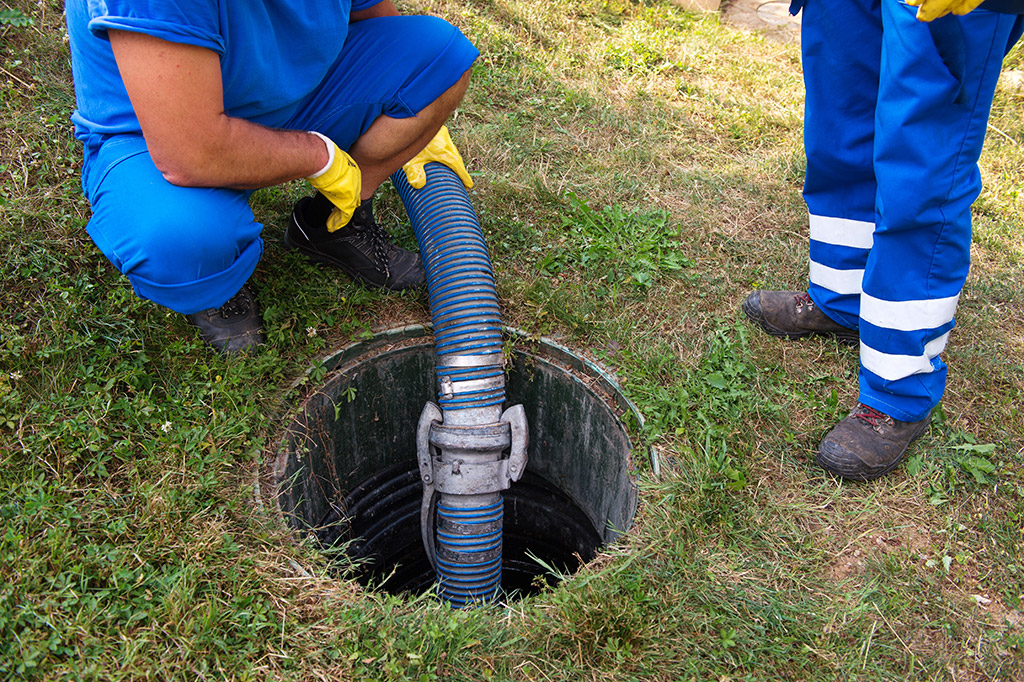
If you’ve never scheduled one before, it’s not as complicated as it sounds. You call, book a time, and they show up with a truck and equipment.
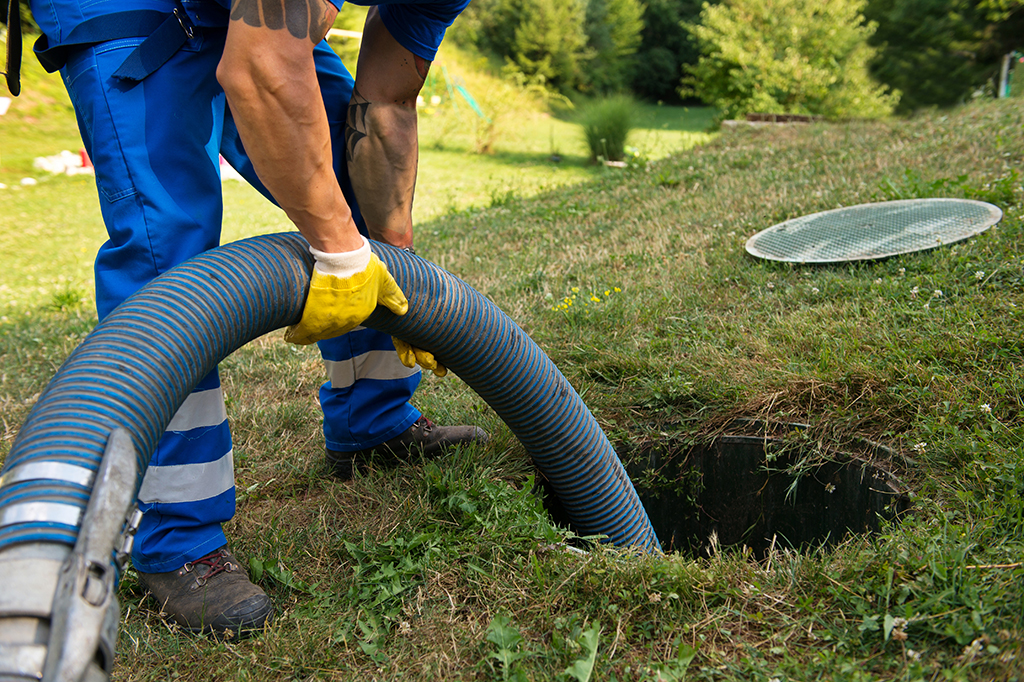
They locate your tank, open it up, and pump out the sludge and scum. Takes a couple hours, give or take. While they’re at it, they might check filters, baffles, and general condition.
You don’t have to hover or stress about it. Just make sure they have access and maybe ask a few questions while they’re there.
Most homeowners say the same thing after their first time—it wasn’t a big deal. Just something that needed to be done.
Planning Ahead Saves You Stress Later
Here’s the truth. Septic systems don’t reward procrastination. They punish it.
If you plan ahead, stick to a schedule, and stay aware of how your system behaves, you’ll barely think about it. It just works. Quietly. No drama.
But if you ignore it? It becomes one of those homeowner nightmares people complain about for years.
New homeowners already have enough to deal with. This doesn’t need to be another headache. Handle it early, and it stays simple.
Conclusion: Keep It Simple and Stay Consistent
There are many aspects associated with owning a house in Richmond Hill that you cannot shy away from, including septic care. Thus, you must be ready to incorporate Septic Tank Pumping in Richmond Hill GA into your schedule.
Develop a plan. Follow it consistently. It doesn’t require overthinking; just do it.
Also, life becomes busy between work and other aspects, making you overlook many crucial matters. However, taking care of your property by ensuring septic pumping services are scheduled will make your house function as expected.

James