
Home in Palo Alto, California, needs to evolve. Maybe you want space for aging parents, a private suite for a young adult, a quiet home office, or a rental unit to help with the mortgage. That’s where ADU Builders in Palo Alto come in. A well-planned accessory dwelling unit (ADU) can add comfort, privacy, and long-term value—without the hassle of moving.
Because Palo Alto has unique zoning rules, tight lots, and high standards for design and energy use, the best results come from a team that knows the local process. In this guide, you’ll learn how ADU projects are customized, what to expect during planning and construction, and how to avoid common mistakes.
Why ADUs are a smart fit for Palo Alto families
ADUs are popular across California for a simple reason: they create more “livable” space where land is limited.
Common ways families use an ADU:
- Multigenerational living: a comfortable place for parents or in-laws
- Teen or young adult suite: more independence while staying close
- Remote work studio: quiet space away from the main house
- Rental income: long-term tenants or visiting family (rules vary)
- Caregiver housing: nearby support during recovery or aging in place
Industry fact: California’s ADU growth has surged since statewide law changes. The California Department of Housing and Community Development (HCD) has reported ADU permits rising dramatically over the past several years, reflecting how many homeowners now use ADUs to expand housing options.
What “customized living solutions” really mean in an ADU
Customization isn’t only about finishes. The best ADU Builders in Palo Alto start with how your family lives day-to-day—and design around it.
Layout choices that make a small space feel bigger
A well-designed ADU can live “large” even at 400–800 sq. ft. Smart layout ideas include:
- Open kitchen + living area with clear walkways
- Pocket doors to save space
- A combined laundry closet and storage wall
- Built-in benches, shelves, and wardrobes
Privacy planning (the #1 comfort factor)
In Palo Alto neighborhoods, homes can be close together. Good builders plan for:
- Window placement to reduce direct sightlines
- Separate entrances and dedicated pathways
- Fencing, landscaping, and outdoor screening
- Sound control between the main home and ADU
Matching your main home without copying it
Many families want an ADU that “fits” the property—especially in design-conscious areas. Customization often includes:
- Rooflines and exterior materials that complement the house
- Color palettes that feel consistent
- High-quality, durable siding and windows
- A modern look that still respects the street
ADU options in Palo Alto: which build type fits your lot?
Not every property should use the same ADU approach. A local team can evaluate setbacks, access, utilities, and buildability before you commit.
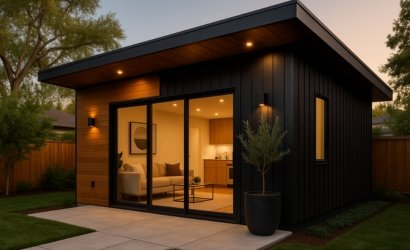
Detached ADU (backyard cottage)
Best for: privacy and long-term flexibility
Why families like it: feels like a small home, great for rentals or relatives
Trade-off: usually higher cost because it’s a full standalone build
Attached ADU (addition connected to the house)
Best for: shared systems and easy access
Why families like it: can feel integrated (helpful for aging family members)
Trade-off: privacy and construction impact on the main home
Garage conversion ADU
Best for: faster build when the structure is usable
Why families like it: can reduce foundation and framing work
Trade-off: you lose parking/storage and may need major upgrades
JADU (Junior ADU)
Best for: maximizing space inside the existing home (where allowed)
Why families like it: smaller footprint and potentially lower cost
Trade-off: size and layout limits (often more “suite-like”)
How ADU Builders in Palo Alto handle permits, code, and city requirements
Permitting is where many ADU projects slow down. Palo Alto has detailed requirements, and your plans must align with California Building Code, Title 24 energy standards, and local zoning rules.
A capable builder team typically helps with:
- Site measurements and feasibility checks
- Concept plans and floor plan options
- Coordinating structural engineering
- Energy compliance (Title 24) documentation
- Navigating plan review and revisions
- Scheduling inspections and tracking approvals
Question to ask early: “What could trigger delays on my property?”
Examples include:
- Utility upgrades (electrical panel, sewer, water line sizing)
- Tree protections or limited access for equipment
- Fire-rating requirements near property lines
- Drainage needs and stormwater planning
- Older homes that require seismic or structural updates
Trusted Home Builders in San Jose & Palo Alto: what to look for before you sign
If you’re comparing Trusted Home Builders in San Jose & Palo Alto, focus on clarity and process—not just a pretty portfolio.
A simple checklist for choosing the right builder
Look for a builder who provides:
- A clear scope of work (what’s included and excluded)
- A realistic timeline with key milestones
- Transparent allowances for finishes and fixtures
- Permit and inspection support spelled out in writing
- Proof of license and insurance
- Recent local references and completed ADU examples
Green flag: they can explain trade-offs in plain English
For example, they should be able to explain:
- When a cheaper layout creates long-term problems
- How HVAC choices affect comfort and noise
- Which finishes are durable for rentals vs. family use
- Where to spend money for the best daily value (like insulation and windows)
How long does it take to build an ADU in Palo Alto?
Timelines vary, but most ADU projects follow a similar path.
Typical ADU Timeline (High Level):
- Planning & design 4-10+ weeks
- Permits & plan review: 8–20+ weeks (project/revisions dependent)
- Construction: 4-8+ Months
- Final inspection and sign-off: 1 to 3 weeks
Tip: If you’re planning for a specific life event (new baby, caregiving, school year), start early than you think for the ADU to be ready. Permitting is often the biggest unknown.
Budget planning: what drives ADU cost in Palo Alto?
Costs depend on size, site conditions, and the level of finishes. In high-cost areas like Palo Alto, ADUs often land in a wide range.
Common cost drivers include:
- Site work (grading, drainage, demolition, access constraints)
- Utility connections and upgrades (sewer, water, electrical, gas)
- Foundation type and seismic needs
- Window/door packages and insulation level
- Kitchen and bath finish selections
- Custom exterior materials and landscaping
Practical budgeting advice
To avoid surprises:
- Ask for a “base build” price and a realistic finish allowance
- Confirm who pays for utility upgrades if needed
- Plan for a contingency (many homeowners set aside 10%)
- Decide early if the ADU needs premium soundproofing or high-end appliances
Design tips that modern families love (and regret skipping)
These features aren’t always expensive, but they can make the ADU feel truly livable:
- Lots of natural light (without overheating—use good glass and shading)
- Storage you can’t see (tall cabinets, under-bed drawers, built-ins)
- A real bedroom wall (even in small layouts, privacy matters)
- Comfortable HVAC (right-sized mini-split systems are common)
- A small outdoor area (patio or seating can “add” living space)
Key Takeaways
- ADU Builders in Palo Alto customize layouts, privacy, and finishes based on how your family actually lives.
- The best results come from strong planning around permits, utilities, and Title 24 energy rules.
- Choose builders with a clear scope, transparent pricing, and local ADU experience.
- Smart design (light, storage, sound control) can make a small ADU feel like a real home.
- Start early—permit timelines can be the biggest schedule variable.
Frequently Asked Questions
1) What size ADU should I build for my family?
Start with your main use: family suite, office, or rental. Many families find 600–850 sq. ft. works well for a 1-bedroom layout with comfortable storage and a full kitchen. Your lot size and local rules also matter.
2) Is a garage conversion always cheaper than building new?
Not always. If the garage needs major structural repairs, insulation upgrades, a new slab, or utility work, costs can climb quickly. A good builder will compare both options using your real site conditions.
3) Can an ADU be fully separate from the main home?
Yes. Detached ADUs can be built with their own private entrance, outdoor space, and amenities of privacy. Ask your builder about their approach to sound control, window positioning and pathway access.
4) What questions should you ask a builder before starting an ADU project?
Ask: What’s the difference between a ‘poor’ and ‘very poor’ rating?
- What is included in the estimate and what is excluded?
- Who deals with permits, revisions and inspections?
- What improvements can be made to the utilities on my property?
- Realistic time line from design to move-in?
5) How do I keep my ADU comfortable in both summer and winter?
Focus on the “shell” first: insulation, air sealing, quality windows, and proper HVAC sizing. Title 24 helps set a baseline, but thoughtful design choices make a big difference in day-to-day comfort.
Conclusion: turning extra space into a better way to live
A well-built ADU can solve real problems—crowded homes, changing family needs, and the desire for privacy without moving away from Palo Alto. The right ADU Builders in Palo Alto will guide you through design, permitting, and construction with fewer surprises, so the final space feels like it truly belongs on your property.
If you’re exploring an ADU and want a clear plan from the start, King David Home Builders can help you evaluate options and build a space that fits your family’s life today—and tomorrow.
King David Home Builders