


When it comes to HIV blood testing, most people focus on accuracy, symptoms, or results. However, healthcare professionals consistently emphasize one factor that often determines long-term outcomes more than anything else: timing. The moment an HIV test is taken in relation to potential exposure can significantly influence detection, diagnosis, and early treatment decisions.
Early intervention in HIV care is closely tied to timely HIV screening. The sooner infection is identified, the faster medical treatment can begin, and the better the long-term health outcomes tend to be. Modern HIV Blood Test in Dubai methods are highly advanced, but they still rely on biological changes that occur over time in the body.
Understanding why timing matters helps individuals make informed decisions about HIV blood testing, reduce uncertainty around results, and improve overall health awareness.
The Link Between HIV Progression and Detection Windows:
Human Immunodeficiency Virus (HIV) affects the immune system by targeting CD4 cells, which play a central role in defending the body against infections. After exposure, the virus begins to replicate and gradually triggers immune system responses.
However, these biological changes do not occur instantly. Instead, they develop in stages, which is why timing plays such a crucial role in HIV detection.
Modern HIV blood tests detect different markers depending on how far the infection has progressed:
HIV RNA (Early Stage):
Detected by nucleic acid testing, this is the earliest marker of infection.
HIV Antigen (Intermediate Stage):
Specifically p24 antigen, which appears shortly after infection begins.
HIV Antibodies (Later Stage):
Produced by the immune system in response to infection, typically detectable after a longer period.
Each marker becomes detectable at different times, forming the foundation of the HIV window period concept.
Understanding the HIV Window Period in Simple Terms:
The HIV window period is the time between initial exposure to the virus and the point at which a test can reliably detect infection.
During this period, a person may be infected but still receive a negative test result because detectable markers have not yet reached sufficient levels.
The length of the window period depends on the type of HIV test used:
- Nucleic acid tests detect infection earliest
- Fourth-generation antigen-antibody tests detect infection earlier than antibody-only tests
- Antibody tests require more time before reliable detection is possible
This is why healthcare providers carefully consider timing before recommending an HIV blood test.
Why Early HIV Detection Changes Everything?
Early intervention begins with early diagnosis. When HIV is detected soon after infection, treatment can be started before significant immune system damage occurs.
Early detection allows healthcare providers to:
- Begin antiretroviral therapy sooner
- Preserve CD4 cell levels
- Reduce viral load earlier
- Prevent long-term complications
- Lower transmission risk
In many cases, early treatment can reduce viral levels to undetectable amounts, improving both individual health and public health outcomes.
What Happens in the Body After HIV Exposure?
Understanding timing requires knowing how HIV behaves after entering the body.
Initial Infection Phase:
The virus begins replicating rapidly in the bloodstream.
Acute Infection Phase:
Some individuals may experience flu-like symptoms, though many remain asymptomatic.
Immune Response Phase:
The body begins producing antibodies while viral antigens circulate in the blood.
Detectable Phase:
Depending on the test type, HIV becomes identifiable through RNA, antigen, or antibody detection.
This progression explains why early testing must align with the appropriate diagnostic method.
Types of HIV Tests and Their Detection Timelines:
Different HIV blood tests have different roles in early intervention.
Nucleic Acid Tests (NAT):
NAT detects HIV RNA directly and is the earliest method of detection. It is especially useful when recent exposure is suspected.
Fourth-Generation HIV Tests:
These tests detect both HIV antibodies and p24 antigens. They are widely used in clinical settings because they balance early detection with accuracy.
Antibody-Only Tests:
These tests detect immune system response and are most effective after enough time has passed for antibodies to develop.
Healthcare providers choose testing methods based on exposure timing to ensure accurate results.
The Role of Early Intervention in HIV Management:
Early intervention refers to initiating medical care as soon as HIV infection is detected. This approach has transformed HIV from a life-threatening disease into a manageable chronic condition for many individuals.
Early intervention includes:
- Starting antiretroviral therapy (ART)
- Monitoring viral load levels
- Tracking CD4 cell counts
- Regular medical follow-ups
- Ongoing health counseling
The earlier these steps begin, the better the long-term health outcomes.
Why Delayed Testing Can Affect Health Outcomes?
Delaying HIV testing can have several consequences, especially if infection is present but undiagnosed.
Without early diagnosis:
- The immune system may weaken over time
- Viral load can increase significantly
- Transmission risk may remain higher
- Treatment may begin at a later stage
- Long-term complications may become more likely
This is why healthcare professionals strongly encourage timely HIV screening after potential exposure.
How Healthcare Providers Decide When to Test?
Medical professionals do not recommend HIV testing randomly. Instead, they evaluate multiple factors to determine the best timing.
These include:
Exposure History:
Understanding when and how exposure may have occurred helps guide testing decisions.
Type of Exposure:
Different exposure risks may influence urgency and test selection.
Symptoms (If Any):
Although symptoms are not reliable for diagnosis, they may inform clinical decisions.
Test Type Availability:
The choice between RNA testing, antigen-antibody testing, or antibody testing depends on clinical need.
This structured approach ensures accurate detection and appropriate early intervention.
What to Expect When Testing Happens at the Right Time?
When HIV testing is performed at the appropriate time, results are highly reliable.
A properly timed HIV blood test:
- Minimizes false-negative results
- Improves diagnostic accuracy
- Reduces need for repeated testing
- Provides clearer clinical direction
Healthcare providers often explain the importance of timing to ensure individuals understand when results are most dependable.
Understanding Results in the Context of Timing:
Interpreting HIV test results requires considering when the test was taken.
Negative Result:
A negative result is most reliable when testing occurs after the window period has passed.
Positive Result:
A positive result indicates the presence of HIV-related markers and is confirmed through additional testing.
Inconclusive Result:
If results are unclear, repeat testing may be needed due to early infection or timing-related limitations.
Timing helps determine whether further testing is necessary.
How Early Testing Supports Public Health Goals?
Early HIV testing is not only beneficial for individuals but also for communities.
When people get tested early:
- New infections can be identified sooner
- Transmission chains can be interrupted
- Treatment can begin faster
- Public health monitoring improves
- Awareness of HIV increases
This collective benefit highlights the importance of timely screening as a public health strategy.
Common Misunderstandings About Timing and HIV Testing:
Several misconceptions can delay testing or cause confusion:
- “Testing immediately after exposure is always accurate” (false due to window period)
- “Symptoms appear early in all cases” (many infections are asymptomatic)
- “One test is always enough regardless of timing” (repeat testing may be necessary)
- “Low-risk individuals do not need testing” (routine screening is often recommended)
Correcting these misunderstandings helps improve early detection rates.
The Future of Early HIV Detection:
Advancements in diagnostic technology continue to reduce detection times and improve accuracy. Modern HIV testing is becoming more sensitive, allowing earlier identification of infection and faster intervention.
Research continues to focus on:
- Faster RNA detection methods
- Improved antigen sensitivity
- More accessible rapid testing options
- Expanded routine screening programs
These improvements are strengthening early intervention strategies worldwide.
Final Thoughts:
HIV blood Lab tests is a powerful diagnostic tool, but its effectiveness depends heavily on timing. Early intervention begins with understanding when to test, which test to use, and how results relate to the stage of infection.
When HIV is detected early, treatment can begin sooner, immune health can be preserved, and long-term outcomes can be significantly improved. Timing transforms HIV testing from a simple diagnostic step into a life-changing opportunity for early care and prevention.
By recognizing the importance of timing in HIV screening, individuals can take more informed actions, seek appropriate medical guidance, and support both personal and public health goals.
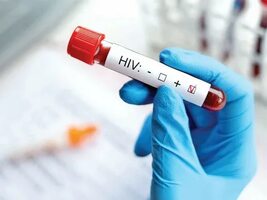
HIV Blood Test in Dubai