


An Explosion Proof Robot is a specialised robotic system designed for industrial environments where flammable gases, vapours, or combustible dust may create an explosion risk. In the United Kingdom, these robots can support operations in oil and gas facilities, chemical processing plants, pharmaceutical manufacturing, mining, and energy production. Their protective designs may include specialised enclosures, temperature controls, protected electrical components, and suitable sensors. Depending on the application, they can assist with equipment inspections, remote monitoring, material handling, and repetitive industrial tasks. Selecting the correct robot requires an understanding of hazardous-area classification, operating conditions, and applicable safety requirements. ATEX-related considerations may be important when assessing equipment intended for potentially explosive atmospheres. Certification, installation procedures, maintenance, and component compatibility must also be reviewed before deployment. Understanding these factors helps industrial operators determine whether an explosion proof robot is appropriate for their facility and how it can support safer, more controlled, and efficient industrial operations.
Introduction
An Explosion Proof Robot is designed to operate in industrial environments where flammable gases, vapours, combustible dust, or other hazardous substances may create a risk of explosion. In the United Kingdom, industries such as oil and gas, chemical processing, pharmaceutical manufacturing, mining, and energy production may require specialised equipment to reduce the risk of ignition. These robots can perform specific tasks in locations where conventional robotic systems may not be suitable.
An explosion proof robot is developed with protective features that help prevent electrical or mechanical components from becoming an ignition source under defined operating conditions. Its design depends on the hazardous environment, the substances present, and the tasks it must perform. By combining robotic automation with suitable protection measures, these systems can support industrial operations while reducing the need for workers to enter certain high-risk areas.
What Is an Explosion Proof Robot?
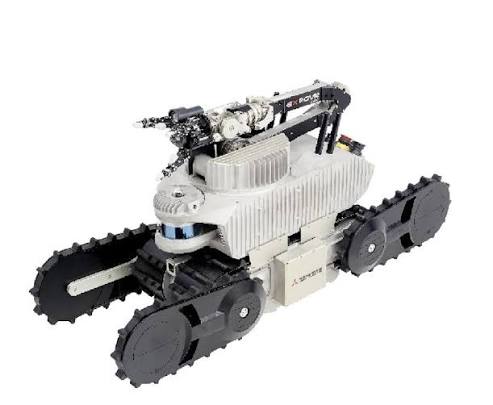
An explosion proof robot is an automated machine engineered for use in environments where explosive atmospheres may occur. Unlike standard industrial robots, it incorporates specialised protection for components such as motors, sensors, electrical connections, control units, and communication systems.
The term does not mean that a robot can withstand every explosion or operate safely in every hazardous location. Instead, its protection is designed for specific conditions established through applicable standards, testing, and certification. The equipment must be suitable for the particular gases, vapours, dust, temperature limits, and operating conditions found at the installation site.
In the UK, equipment intended for explosive atmospheres may need to meet applicable ATEX requirements and other relevant regulations. The correct protection category depends on the intended location and the likelihood of an explosive atmosphere being present.
How Does an Explosion Proof Robot Work?
An explosion proof robot performs programmed movements and automated tasks while using protective engineering measures to control ignition risks. Its operating system may include sensors, cameras, robotic arms, mobility systems, and remote-control functions.
Protective enclosures can prevent internal ignition from affecting the surrounding atmosphere, depending on the protection method used. Other designs limit electrical energy, control surface temperatures, or use specialised components suitable for the relevant hazardous area.
Sensors and monitoring systems allow the robot to collect information about its surroundings and carry out assigned operations. Depending on the application, it may inspect equipment, move materials, monitor process conditions, or perform repetitive activities.
The robot’s control system must also be suitable for the environment. Communication devices, batteries, connectors, and charging arrangements require careful assessment because every component used in a hazardous location can influence overall safety.
Industrial Applications in the UK
Oil and Gas Facilities
Oil refineries, gas processing plants, and storage terminals may contain flammable gases and vapours. An explosion proof robot can support inspections of pipelines, valves, tanks, and processing equipment where an appropriately protected robotic system is suitable.
Remote operation can help reduce the need for personnel to enter selected hazardous locations, although site-specific safety procedures remain essential.
Chemical Processing Plants
Chemical facilities often handle volatile liquids, flammable gases, and combustible materials. Robots designed for suitable hazardous areas may assist with equipment inspection, material handling, and routine monitoring.
Their use depends on the chemicals present, the likelihood of exposure, and the robot’s protection rating.
Pharmaceutical Manufacturing
Certain pharmaceutical processes involve flammable solvents, powders, or other substances that can create hazardous atmospheres. An appropriately selected robot may perform repetitive handling and inspection tasks while helping maintain consistent operating procedures.
The equipment must also meet any relevant cleanliness, contamination-control, and process requirements.
Mining and Energy Operations
Mining and energy facilities can contain gases, combustible dust, and confined spaces. Specialised robots may assist with inspection and monitoring in selected areas, provided they are approved for the specific environmental hazards and operational conditions.
Key Features of an Explosion Proof Robot
Several features determine whether an explosion proof robot is suitable for a particular industrial application.
-
Protected electrical components: Motors, wiring, sensors, and connectors are selected or designed to minimise ignition risks.
-
Temperature control: Surface temperatures are limited according to the relevant hazardous-area classification and substance characteristics.
-
Suitable enclosure design: Protective enclosures help control ignition risks using an appropriate protection technique.
-
Remote operation: Operators may control the robot from a safer location when the system supports remote operation.
-
Environmental resistance: Materials and sealing arrangements may provide protection against dust, moisture, chemicals, or other site conditions.
-
Integrated monitoring: Sensors and inspection tools can collect operational data and identify potential equipment problems.
The presence of these features alone does not establish that a robot is certified for hazardous-area use. Its documentation and approval must match the intended application.
ATEX Requirements and Hazardous-Area Classification
In the UK, the selection of an explosion proof robot requires consideration of hazardous-area classification and the applicable legal framework. ATEX-related requirements are particularly relevant to equipment intended for potentially explosive atmospheres.
Hazardous locations are classified according to the likelihood and duration of an explosive atmosphere. Gas and vapour environments use Zones 0, 1, and 2, while combustible-dust environments use Zones 20, 21, and 22.
A robot intended for one zone cannot automatically be assumed suitable for another. The required equipment category, protection method, gas or dust group, and temperature class must be checked against the site’s assessment.
Operators should review certification, technical documentation, installation instructions, maintenance requirements, and any restrictions on use before introducing the robot into service.
Benefits and Operational Considerations
An explosion proof robot can support safer working practices by undertaking selected activities in hazardous environments. Automation may also improve inspection consistency, reduce repetitive manual work, and provide access to locations that are difficult for personnel to reach.
However, successful deployment requires more than selecting a protected machine. Site operators must consider movement restrictions, payload, battery life, communication reliability, maintenance access, and compatibility with existing equipment.
Regular inspections and maintenance are necessary to ensure that protective features remain effective. Damage, unauthorised modifications, worn seals, or unsuitable replacement components may compromise the equipment’s protection.
Conclusion
An Explosion Proof Robot can support inspection, monitoring, and automation in UK industrial environments where explosive atmospheres present potential hazards. Its suitability depends on the specific application, hazardous-area classification, protection design, and relevant certification. Careful equipment selection, correct installation, and regular maintenance help ensure that robotic systems operate within their approved limits and contribute to safer, more consistent industrial processes.
Annaglover