
Introduction
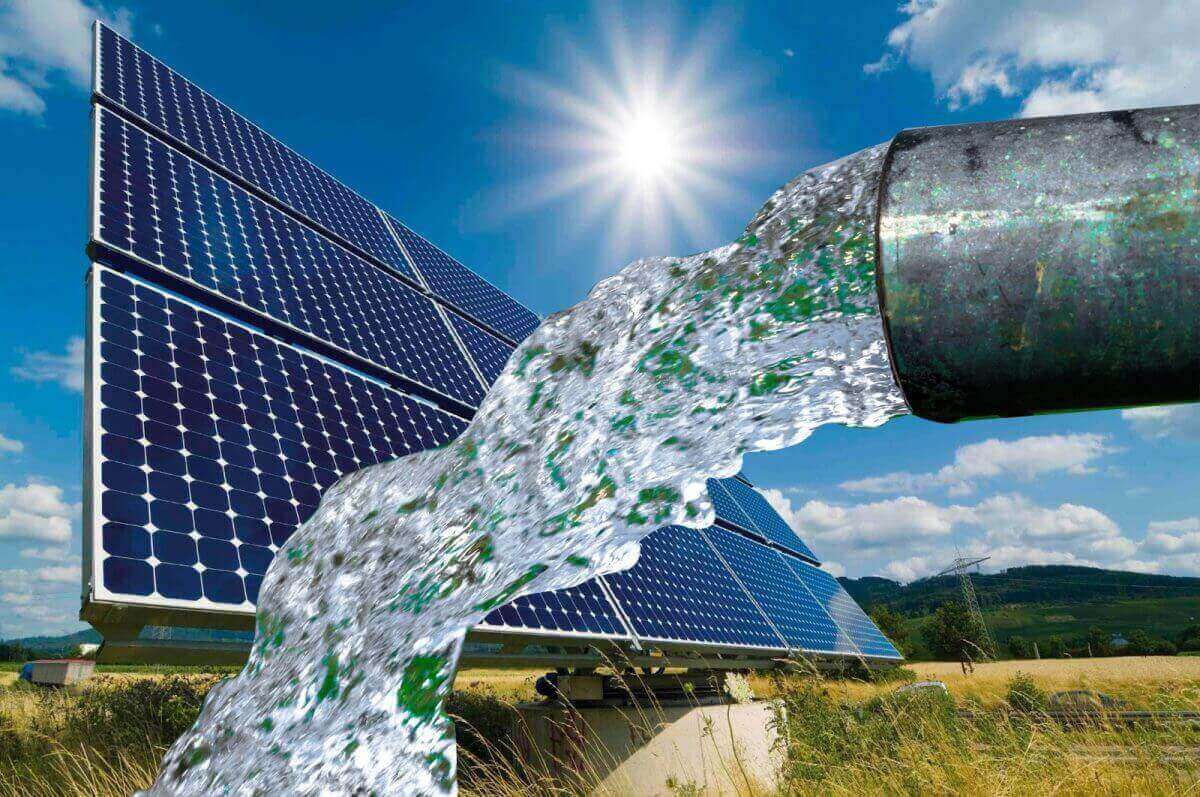
If you’ve ever looked at a remote farm, a rural village, or even a modern homestead and wondered how they manage reliable water access without fuel or the electrical grid, you’re not alone. It’s kind of fascinating to think that sunlight alone can move thousands of liters of water every single day. And that’s exactly what happens with well-designed solar water pumping systems—they quietly turn free sunlight into consistent water flow with minimal upkeep.
But here’s the thing: the magic only happens when the system is designed properly. A poorly planned setup can struggle, underperform, or drain your budget. So, let’s take a friendly, step-by-step approach to understanding how the design process actually works.
Why System Design Matters More Than You Might Think
Before jumping into parts and calculations, it helps to understand why design matters. Solar water pumping is all about balance—matching water demand, sunlight availability, pump capability, and solar generation. When all these elements complement each other, you get reliable performance.
However, when one part is mismatched, you might end up with:
-
A pump that runs weakly on cloudy days
-
Not enough water storage
-
Solar panels that are too small
-
A system that works great at noon… but not early in the day
Believe it or not, most failures aren’t caused by bad equipment—they’re caused by design oversights. The good news? When you know what to look for, designing a strong system becomes much simpler than it sounds.
Understanding Your Water Needs First
The biggest mistake people make is choosing equipment before understanding their actual water demand. Let’s slow down and do this the right way.
1. Daily Water Requirements
Ask yourself:
-
How much water do you need per day?
-
When do you need it—morning, evening, or spread throughout the day?
-
Are your needs stable or seasonal?
Examples:
-
Livestock might need steady flow throughout the day.
-
Irrigation often has heavy seasonal peaks.
-
Homes and small businesses mostly use water in bursts.
Getting this part right gives your system the direction it needs.
Analyzing Your Water Source
Different water sources require different design strategies. And trust me, this step matters.
1. Boreholes / Deep Wells
These require submersible pumps.
You’ll also need accurate measurements of:
-
Water depth
-
Pump depth
-
Static and dynamic water levels
-
Well recovery rate
2. Rivers, Streams, or Ponds
A surface pump is often enough.
You’ll want to check:
-
Water quality
-
Flow rate
-
Seasonal changes
3. Shallow Wells / Open Sources
Hybrid setups may be ideal.
Also consider:
-
Contamination risks
-
Sand or silt presence
-
Wildlife interference (yes, crocodiles count!)
Knowing your source helps you choose the right pump and prevents problems later.
Choosing the Right Pump for the Job
Pump selection is a major design milestone. And here’s a little trick: don’t choose the pump based solely on flow rate. Head height is equally important.
You need to consider:
-
Total dynamic head (TDH)
-
Vertical lift
-
Pipe length
-
Friction losses
A small pump working efficiently is far better than an oversized pump running inconsistently.
Types of Pumps
1. Submersible Pumps
Best for deep-water extraction.
Quiet, safe, and highly efficient.
2. Surface Pumps
Perfect for shallow sources.
Easy to maintain and cost-effective.
3. DC Solar Pumps
Run directly from solar energy.
Ideal for simple, low-maintenance setups.
4. AC Pumps with Inverters
More powerful, great for large farms or villages.
Require extra components but offer high output.
Matching the Pump With Solar Power (This Is Where Efficiency Comes In)
Once you’ve selected a pump, the next step is ensuring your solar array can comfortably power it—even outside peak sunshine hours.
Key considerations:
-
Daily sunlight hours
-
Seasonal sunlight variations
-
Pump voltage and power requirements
-
Desired pumping hours per day
A common practice is to size your solar panels 20–30% higher than the pump’s minimum requirement. This helps the pump run earlier in the morning and later in the afternoon.
For example:
If your pump needs a consistent 1000 W, aim for 1300–1500 W of panels.
This isn’t overkill—it’s smart design.
The Role of the Pump Controller (The System’s Thinking Engine)
You can think of the pump controller as the “translator” between your solar panels and your pump. It stabilizes, protects, and optimizes everything.
A good controller provides:
-
Overload protection
-
Low-voltage disconnect
-
Dry-run protection
-
Soft start functions
-
Maximum power point tracking (MPPT)
MPPT is worth highlighting. It squeezes the highest possible performance out of your panels even when sunlight fluctuates.
Don’t Forget the Importance of Proper Wiring and Connectors
It’s not just about power—it’s about safe, stable, efficient power.
Quality cabling helps reduce:
-
Voltage drop
-
Heat buildup
-
Weather damage
-
Long-term wear
Even small wiring mistakes can hurt performance more than you’d expect.
So, prioritize:
-
UV-resistant cables
-
Waterproof MC4 connectors
-
Correct cable sizing
This isn’t the glamorous part of design, but it’s essential.
Adding Storage Tanks for Reliable Day-to-Day Operation
Water storage is a powerful design tool. It acts as your daily buffer, regardless of weather.
Storage tanks allow you to:
-
Pump during sunlight
-
Use water at night
-
Maintain consistent supply
-
Reduce pump cycling
-
Lower long-term wear
In many real-world farms, doubling storage capacity solves more problems than doubling solar power.
Designing the Pipe Network Efficiently
Your pipe system affects pump strain, flow rate, and total efficiency.
When designing:
-
Use larger diameter pipes whenever possible
-
Minimize unnecessary bends
-
Keep pipe runs as short as practical
-
Choose durable material for your climate
This is one of those “small design details” that has a surprisingly big impact.
Environmental and Site Considerations
Don’t forget to think about the actual installation location.
Ask yourself:
-
Is the area shaded during the day?
-
Is the mounting structure stable?
-
Are wildlife or livestock likely to interfere?
-
Is dust, sand, or rain a major factor?
The right site can boost output by 20% or more—without adding a single panel.
Common Design Mistakes (and How to Avoid Them)
Here’s a quick list of mistakes that many people make:
-
Choosing the pump before understanding water needs
-
Undersizing solar panels
-
Forgetting about storage tanks
-
Poor pipe sizing
-
Ignoring voltage drop in long cable runs
-
Not preparing for seasonal changes
-
Skipping proper maintenance
Avoiding these mistakes will save you money, hassle, and dozens of “why isn’t this working?” moments.
FAQs About Designing Solar Pumping Systems
1. Do I need batteries for my system?
Usually no. Most systems run efficiently without batteries.
2. How long do solar pumps last?
Good pumps often last 5–10+ years depending on usage and maintenance.
3. Are these systems expensive to install?
Initial costs vary, but operational costs are extremely low.
4. Can I upgrade later?
Yes—you can scale up panels, pumps, or storage as needed.
5. Will it work in cloudy weather?
Performance dips, but a well-sized system continues providing water thanks to storage and smart design.
Conclusion
When you understand how solar water pumping systems are designed, the entire technology becomes far more approachable. Everything—from the panels to the pump to the pipes—works together in a balanced way to deliver reliable water every single day without relying on fuel or the electrical grid.
Designing efficiently isn’t about being an engineer; it’s about asking the right questions, matching the right components, and planning for local conditions. If you take your time through each step, you’ll end up with a system that performs beautifully and pays for itself over time.
Whenever you’re ready to explore your options or plan your own system, you’ll now have the clarity to move forward with confidence.
Neha