


If you’re exploring prime opportunities in Dubai Real Estates, you’ve come to the right place. In a market that constantly evolves, certain properties stand out as especially promising for 2025 and beyond. Whether you’re a first‑time investor or looking to expand an existing portfolio, the right insight can help you find value — not just in the moment, but long term.
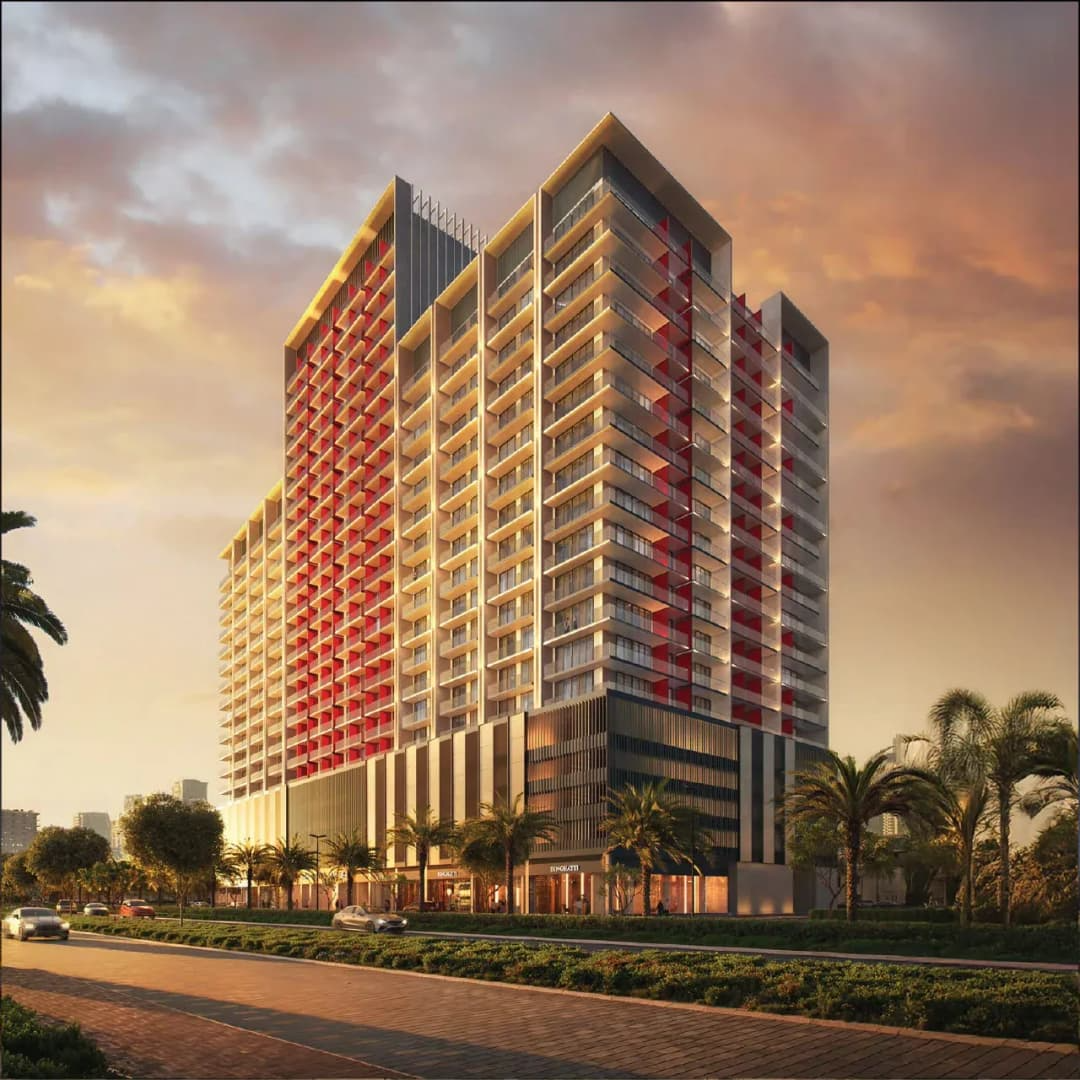
Imagine waking up to a sunrise over the skyline, sipping coffee on your balcony, and knowing that your property is located in a neighbourhood gaining international attention. That’s the kind of opportunity you get when you consider developments like Bugatti Residences by Binghatti — a bold, design‑forward tower blending luxury and style, right in the heart of Dubai’s growth trajectory.
Why 2025 Could Be a Golden Year for Dubai Real Estates
Dubai has always been a dynamic, forward‑looking city. What makes now special is a combination of global economic realignments, sustained population growth, and increased interest from foreign investors. All of this sets the stage for some potentially lucrative investments — especially when you target the right properties and the right locations.
Supply is tightening in many high-demand areas. This means fewer opportunities to buy at entry-level prices, but it also means that well-positioned properties are poised for appreciation. Meanwhile, Dubai’s infrastructure keeps expanding, and tourism and long-term residency demand remain strong. For the investor willing to look beyond short‑term price swings, 2025 could deliver real gains.
What to Look for When Investing in Dubai Real Estates
Long-Term Growth vs. Quick Flips
When you invest in real estate, you generally have two broad strategies: buy for long-term growth, or buy to flip quickly. The first path is usually safer, especially in a market with regulation and shifting demand. Long-term gains come from factors like location, infrastructure, developer reputation, and future neighborhood plans.
On the other hand, flipping — buying low and selling high quickly — can yield profit, but also carries risk. If demand dips or global interest slows, prices could flatten or drop. For many, a long‑game approach makes sense.
New Developments vs. Ready Properties
New developments often come at lower prices relative to final market value. If you buy early, you can lock in a favorable rate, ride the developer’s completion and delivery, and benefit from post-completion appreciation. The caveat: delivery timelines, construction quality, and developer reputation matter a lot.
Ready properties (completed apartments or villas) offer immediate occupancy or rental potential. If you’re looking for cash flow through rentals or short-term income, ready properties may be more appealing — even if the price per square foot is higher.
Location, Amenities, Future Infrastructure
Location remains king. Properties near new metro lines, airports, business districts, or major commercial projects often appreciate faster. Waterfronts, man-made islands, and communities designed for prestige tend to attract high-end tenants or buyers.
Amenities matter too. In luxury residences you’ll want secure parking, landscaping, gym or spa facilities, concierge service, proximity to leisure (shopping, beaches), and good connectivity. All these contribute to a property’s long-term desirability and resale value.
Top Investment Opportunities in 2025
High‑Demand Residential Towers
Cities evolve, and in Dubai, that evolution often means high‑rise towers that combine luxury with convenience. These towers offer compact units popular among young professionals and small families — often easier to rent out.
For example, Bugatti Residences by Binghatti stands out as a striking development. It pairs a globally recognized luxury brand name with modern design and a location that appeals to both renters and future buyers. Early investors may benefit from price appreciation as the project nears completion, especially if demand remains strong.
Secondary Market Gems — Villas & Townhouses in Emerging Areas
If you prefer a larger space or plan for a long-term residential lifestyle, villas and townhouses in up‑and‑coming neighborhoods can offer value. Areas slightly beyond the city center often provide lower entry prices but strong upside as infrastructure improves and residents seek more space.
One anecdote: a friend’s colleague bought a townhouse on the outskirts of Dubai five years ago — it was inexpensive then because the neighbourhood lacked basic public transport and amenities. Today, with new roads, a metro link nearby, and several retail centers added, the townhouse value has more than doubled. That kind of appreciation often goes unnoticed until years later.
Mixed-Use Developments & Off-Plan Investments
Buying in mixed-use developments — where residential units sit alongside retail, offices, or leisure venues — can yield steady demand. Residents enjoy convenience, and commercial elements attract foot traffic and lifestyle appeal.
Off-plan investments (buying before completion) in such developments often come with lower prices and flexible payment plans. That can be particularly attractive if you don’t have all the capital upfront but expect property values to rise. That said, success depends on the developer’s track record and timely project completion.
How to Evaluate a Real Estate Opportunity in 2025
Verify Developer Reputation & Delivery History
Because construction quality and completion schedules impact long-term value, it’s wise to check whether the developer has delivered previous projects on time and to promised standards. A reputable developer reduces risk.
Ask for documentation, inspect completed projects where possible, and read reviews from existing buyers or residents. Reputation isn’t everything, but it’s a strong indicator of reliability.
Consider Total Cost — Not Only Price Per Square Foot
Price per square foot is important, but don’t ignore other costs: service fees, maintenance charges, property transfer fees, and taxes (if any). Sometimes a seemingly inexpensive unit turns out costly once you account for all associated fees.
Also factor in future costs — for example, expected maintenance or renovation expenses — especially if you intend to hold the property long term.
Think About Rental Yield & Demand Dynamics
If renting out the property is part of your plan, estimate likely rental yield. What are comparable rentals nearby? What amenities appeal to renters (schools, transport links, retail hubs)? Ensure you’re realistic about occupancy rates, especially in off-peak or transitional periods.
And remember: rental demand can shift. For example, more remote locations may see longer vacancies if transport is poor or if amenities are lacking.
Forecast: What’s Driving Demand in Dubai Real Estates for 2025
Global Interest, New Residents, and Expat Influx
Dubai continues to draw investors, professionals, and families from around the world — thanks to relative safety, job opportunities, and a multicultural environment. As global uncertainty increases elsewhere, many see Dubai as a stable, attractive alternative. This ongoing interest fuels demand for quality properties.
Infrastructure Expansion & Upcoming Mega‑Projects
New transport links, expansions, and large-scale projects are regularly announced in Dubai. As governments and private players invest more in public transport, business hubs, and leisure amenities, neighborhoods benefit. Properties near these developments often appreciate — and attract both residents and renters.
Lifestyle Shift: Demand for Quality Living Spaces
In recent years, many residents have prioritized larger, more comfortable living spaces. Whether families seeking more room or professionals wanting a comfortable lifestyle, demand is growing for homes with amenities, outdoor space, and convenience. Developers are responding with villas, townhouses, and high-end apartments.
Common Mistakes to Avoid
Chasing Buzz — Ignoring Fundamentals
It’s easy to get swept up in hype — a flashy marketing campaign or a name brand backing a development. But buzz alone doesn’t guarantee value. Without solid fundamentals — location, infrastructure, developer reliability — you may end up with poor returns or long vacancies.
Overlooking Hidden Costs or Delayed Delivery
Many investors focus only on the headline price, and overlook costs like maintenance fees, service charges, utility costs, or payment-plan interest. Delayed deliveries on off-plan investments also hurt potential returns — sometimes years of wait before occupancy or resale is possible.
Neglecting Rental Market Realities
Assuming you’ll always find tenants whenever you want can be risky. Rental demand shifts with global economics, visa policies, and local supply. Relying solely on the idea that “renters will always come” can leave a property sitting empty and costing you money.
Tips for Smart Investing in Dubai Real Estates in 2025
Diversify — Don’t Put All Eggs in One Basket
Rather than investing everything in one property, consider diversifying across a couple of assets. For instance, one compact apartment in a central tower for rental yield, and one townhouse on the outskirts for long‑term appreciation. This way you balance rental income against long‑term capital growth.
Keep an Eye on Market Trends and Global Shifts
Markets change. What works today may shift tomorrow. Keep tracking global interest, immigration laws, Dubai’s policies, and new infrastructure announcements. Shift your strategy if needed — sometimes holding on longer or selling at the right time makes all the difference.
Engage Expert Advice and Do Due Diligence
Consult licensed agents, read developer documentation carefully, and verify legal paperwork before investing. If possible, visit the site, talk to existing owners, read community reviews. The more you know, the better your chance to make a wise investment.
FAQ
Q: What kinds of properties are best for first-time investors in Dubai?
A: For first-time investors, compact apartments or one-bedroom/two-bedroom units in high-demand towers are often ideal. They are easier to rent out, require less upfront capital, and offer relatively stable demand.
Q: Is investing off-plan risky?
A: Off-plan investments carry both opportunity and risk. The price is often lower, but you need to trust the developer and be prepared for possible delays. Always verify the developer’s reputation before committing.
Q: How much rental yield can I expect in Dubai?
A: Rental yield depends on location, unit size, amenities, and market demand. In highly sought neighborhoods, yields might be higher, but so is the property price. It’s best to compare similar properties nearby to get realistic expectations.
Q: Should I target luxury developments or mid-range ones?
A: That depends on your goals. Luxury developments can offer prestige and high‑end tenants, but they also carry higher upfront cost. Mid-range properties may offer more stable demand and easier tenant turnover. Choose based on your investment horizon and risk appetite.
Q: Are villas and townhouses a good long-term investment?
A: Yes — especially in emerging or improving neighborhoods. Villas/townhouses can appreciate significantly over time, particularly if infrastructure and amenities improve nearby. They also tend to attract long-term residents rather than short-term renters.
Q: How important is location when investing in Dubai Real Estates?
A: Extremely important. Good location — close to transport, business hubs, leisure, or emerging infrastructure — often means stronger demand, better rental prospects, and higher resale value.
HJ Real Estates