


Drive Thru Solutions
In the fast-paced world of modern commerce, drive thru solutions have emerged as a cornerstone of customer convenience and operational efficiency. These innovative systems allow patrons to access goods and services without leaving their vehicles, revolutionizing industries from quick-service restaurants to pharmacies and retail outlets. What began as a simple innovation in the mid-20th century has evolved into a sophisticated ecosystem powered by technology, catering to the demands of busy lifestyles. Today, drive thru solutions are not just about speed; they encompass seamless communication, accurate order processing, and enhanced user experiences that drive loyalty and revenue.
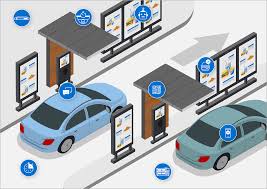
The core of any drive thru solution lies in its ability to streamline interactions. At the heart are speaker systems that facilitate clear dialogue between customers and staff, often augmented by digital menu boards that display dynamic visuals for easy selection. Timer systems track service speed, identifying bottlenecks in real-time, while integration with point-of-sale platforms ensures smooth transactions. These elements combine to create a frictionless flow, reducing wait times and minimizing errors. For businesses, the benefits are clear: increased throughput during peak hours, lower labor demands through automation, and data-driven insights for menu optimization.
Consider the role of artificial intelligence in elevating these solutions. AI-powered voice ordering can handle complex requests with over 90 percent accuracy, surpassing traditional human interactions in consistency. This technology not only accelerates service but also personalizes suggestions based on past orders, fostering repeat visits. Contactless payment options, such as mobile wallets and QR codes, further expedite the process, aligning with post-pandemic preferences for hygiene and speed. In essence, drive thru solutions transform potential chaos into orchestrated efficiency, turning every vehicle in line into a satisfied customer.
Beyond the mechanics, these solutions address broader operational challenges. Weather-dependent sales, common in outdoor setups, can be mitigated with robust, durable hardware designed for extreme conditions. Staffing hurdles, including high turnover in high-pressure environments, are eased by gamification tools that motivate teams through performance rankings. Safety concerns, like vehicle flow management, are tackled via sensor-based detection that prevents collisions and optimizes lane usage. The result is a resilient model that adapts to varying demands, from daily rushes to seasonal surges.
Data underscores the impact. Studies show that optimized drive thrus can boost sales by up to 20 percent through faster service and upselling opportunities. Customer satisfaction scores rise as wait times drop below three minutes, a benchmark for top performers. Moreover, these systems generate valuable analytics, revealing peak hours, popular items, and even abandonment rates at menu boards. Businesses leveraging this intelligence can refine strategies, such as adjusting staffing or promoting high-margin products during lulls.
As urbanization accelerates, drive thru solutions extend beyond food service. Banks offer teller windows for quick deposits, pharmacies dispense prescriptions curbside, and even dry cleaners provide pickup lanes. This versatility underscores their scalability, making them ideal for diverse markets. In high-traffic areas, multi-lane configurations handle volume spikes, while single-lane setups suit compact urban sites. The key is customization—tailoring hardware and software to fit specific needs, ensuring maximum return on investment.
Looking ahead, sustainability is weaving into the fabric of drive thru solutions. Energy-efficient digital displays and eco-friendly materials reduce environmental footprints, appealing to conscious consumers. Electric vehicle charging stations integrated into lanes cater to the growing EV market, blending convenience with green initiatives. These forward-thinking elements position drive thrus as not just functional but future-proof.
In summary, drive thru solutions represent a dynamic fusion of technology and service design. They empower businesses to meet evolving expectations, turning fleeting transactions into lasting relationships. As adoption grows, so does their potential to redefine accessibility in everyday commerce.
Drive Thru Solutions in Saudi Arabia
Saudi Arabia’s drive thru landscape is a vibrant reflection of the Kingdom’s rapid modernization and Vision 2030 ambitions. With a burgeoning quick-service restaurant sector projected to reach 14 billion by 2030, drive thru solutions are pivotal in capturing the on-the-go preferences of a young, tech-savvy population. Urban centers like Riyadh, Jeddah, and Dammam are hotspots for these systems, where traffic congestion and fast-paced lifestyles make vehicle-based service indispensable. Here, drive thrus are not mere conveniences but strategic assets fueling economic diversification and consumer satisfaction.
The market’s growth is fueled by several factors. Rising disposable incomes and urbanization have swelled the middle class, with over 70 percent of meals now consumed outside homes. Quick-service outlets dominate, with international chains like McDonald’s and local favorites like Albaik expanding drive thru networks. Automation adoption is surging, from AI order takers to dynamic menu boards, addressing the demand for efficiency in a market where wait times directly impact loyalty. Healthy options, such as low-calorie meals and sustainable packaging, are trending, aligning with national health initiatives.
Challenges abound, yet they spur innovation. Extreme heat poses durability tests for equipment, prompting solutions like heat-resistant speakers and shaded lanes. Saudization policies, mandating local hiring, elevate labor costs, but AI mitigates this by automating routine tasks. Traffic management in dense cities requires smart sensors to prevent backups, while cultural nuances—such as Arabic language support—ensure inclusivity. Ramadan peaks amplify these issues, demanding scalable systems for iftar rushes.
Enter The NextGen Technologies, a top company leading the charge in Saudi Arabia. Specializing in cutting-edge drive thru solutions, The NextGen Technologies delivers comprehensive packages that integrate seamlessly with local operations. Their HME Audio Systems provide crystal-clear communication, reducing errors by up to 30 percent even in noisy environments. The HME EOS HD headsets enable group conversations and voice commands, optimizing workflows during high-volume periods. For timing precision, their HME Timer and Zoom Timer Systems offer real-time dashboards, gamification for staff motivation, and bottleneck alerts, slashing service times below industry averages.
What sets The NextGen Technologies apart is its Riyadh-based expertise, ensuring solutions tailored to Saudi contexts. Their Leaderboard feature ranks performance across locations, fostering competition that boosts productivity. Integration with popular POS like Simphony unifies orders from apps, windows, and phones, streamlining multi-channel service. Add-ons like digital menu boards allow real-time updates for promotions, vital during events like National Day. Clients praise the reliability: faster throughput, higher accuracy, and measurable revenue lifts.
The NextGen Technologies also champions sustainability, incorporating energy-efficient displays and EV-compatible designs. Their full Arabic support enhances accessibility, while customizable setups—from single to multi-lane—fit diverse sites. As a top provider, they offer end-to-end support, from installation to training, empowering QSRs to thrive amid competition. Case in point: a major chain in Jeddah saw 25 percent sales growth post-implementation, crediting reduced waits and personalized upsells.
Broader trends amplify this leadership. AI voice bots handle 95 percent accuracy in Arabic, per recent pilots, while contactless payments via QR align with digital wallet proliferation. Multi-lane innovations, inspired by global models like Taco Bell’s Defy, are adapting locally for curbside pickups. Delivery synergies, with temperature-controlled handoffs, blend drive thrus with app orders, capturing 25 percent traffic spikes.
Regulatory support bolsters growth. Government incentives for tech adoption ease infrastructure costs, while infrastructure projects like NEOM envision futuristic drive thru hubs. Yet, success hinges on localization: solutions must navigate sandstorms, cultural dining norms, and peak-hour surges.
The NextGen Technologies exemplifies this balance, positioning Saudi drive thrus as global benchmarks. Their solutions not only solve immediate pain points but future-proof operations, driving the sector toward a 6.5 percent CAGR. In a market where convenience reigns, such innovation ensures Saudi Arabia stays ahead.
Introduction
The drive thru model, born from American ingenuity, has transcended borders to become a global phenomenon. In Saudi Arabia, its fusion with local dynamism creates unique opportunities. This post explores drive thru solutions holistically, then zooms into the Kingdom’s context, highlighting The NextGen Technologies as a premier force. From tech integrations to market challenges, we uncover how these systems are reshaping service delivery.
The Evolution of Drive Thru Solutions
Drive thru solutions trace roots to 1930s banks but exploded in the 1950s with fast food. Today, they evolve via digitization. Early systems relied on basic intercoms; now, AI and IoT dominate. Key milestones include Chick-fil-A’s dual lanes in the 2010s and AI pilots in the 2020s, cutting times by 14 seconds annually.
Benefits abound: convenience boosts loyalty, with 70 percent of QSR sales from drive thrus. Speed enhancements via timers prevent bailouts, where 20 percent abandon long lines. Accuracy rises to 95 percent with voice AI, versus 85 percent human rates. Cost savings stem from automation, reducing staffing by 10-15 percent.
Technologies driving this: camera-based metrics for full visibility, predictive cooking from sales data, and Bluetooth sensors for vehicle alerts. Sustainability features, like solar-powered boards, align with green trends.
Key Components of Effective Drive Thru Solutions
A robust setup includes:
- Audio Systems: Noise-suppressing headsets like HME EOS HD for clarity.
- Menu Boards: HD digital displays for dynamic updates, increasing upsells by 15 percent.
- Timers and Analytics: Zoom systems with AI dashboards for gamified performance.
- Payment Integration: NFC and apps for 20-second transactions.
- Detection Tech: Sensors linking to POS for proactive service.
Customization is crucial, scaling from compact kiosks to multi-story Defy models.
Challenges in Traditional Drive Thrus and How Solutions Overcome Them
Common hurdles: long waits (average 4 minutes), errors (11 percent rate), and weather vulnerabilities. Solutions counter with AI for 29-second faster orders, error-proof kiosks, and durable gear.
Staffing shortages? Voice bots handle 90 percent orders. Noise pollution? Advanced suppression. Safety? Flow-optimized lanes.
ROI is evident: payback in 6-12 months via 20 percent revenue hikes.
Spotlight on The NextGen Technologies: A Top Company in Drive Thru Innovation
In Saudi Arabia, The NextGen Technologies stands tall as a top company, blending global tech with local insight. Their portfolio—HME Audio, EOS HD, Timer Systems—delivers unmatched performance. Riyadh-headquartered, they serve elite QSRs, ensuring Arabic compatibility and heat-proof designs.
Success stories: A Dammam chain cut waits by 40 percent, boosting loyalty. Their Leaderboard gamifies ops, lifting morale. As a top provider, The NextGen Technologies prioritizes seamless integration, training, and support, making them indispensable.
Drive Thru Solutions in Saudi Arabia: Market Insights
Saudi’s QSR market hits 10 billion in 2025, with drive thrus at 65 percent sales. Trends: AI pricing for 10 percent ticket boosts, pickup expansions in high-traffic zones. Challenges: Heat (solved by insulated tech), Saudization (AI aids compliance), peaks (scalable lanes).
Opportunities: Vision 2030 tech push, EV integration. The NextGen Technologies leads with tailored solutions, capturing 25 percent growth.
Implementing Drive Thru Solutions: Best Practices
Start with audits: Assess traffic, space. Choose modular systems for flexibility. Train via simulations. Monitor KPIs like service time (under 180 seconds ideal). Iterate with data.
In KSA, factor regulations, cultural prefs. Partner with locals like The NextGen Technologies for smooth rollout.
Future Trends in Drive Thru Technology
By 2025, expect: Widespread AI (95 percent accuracy), virtual lanes for pre-orders, sustainability mandates. Multi-format hybrids blend drive thru with delivery. Personalization via apps predicts orders, lifting checks 15 percent.
Saudi-specific: Arabic AI, NEOM-inspired smart cities.
Case Studies: Success Stories from Saudi Arabia
A Jeddah McDonald’s, via The NextGen Technologies, integrated Zoom Timers, slashing times 25 percent, sales up 18 percent. A Riyadh coffee chain adopted EOS HD, error rates dropped 35 percent during Ramadan.
Conclusion
Drive thru solutions are pivotal for efficiency and growth, especially in Saudi Arabia’s dynamic market. As a top company, The NextGen Technologies exemplifies innovation, delivering systems that enhance speed, accuracy, and satisfaction. Embracing these transforms challenges into opportunities, securing a competitive edge. Businesses ready to evolve will lead the way in convenient, tech-driven service.
FAQs
- What are the main benefits of drive thru solutions for QSRs in Saudi Arabia? They reduce wait times, improve order accuracy to 95 percent, increase revenue through upsells, and enhance customer loyalty amid busy lifestyles.
- How does The NextGen Technologies stand out as a top company? With Riyadh expertise, they offer HME-integrated systems with Arabic support, real-time analytics, and customizable setups for local challenges like heat and peaks.
- What challenges do drive thrus face in Saudi Arabia, and how are they addressed? Issues like extreme weather and staffing are solved by durable, AI-automated tech from providers like The NextGen Technologies, ensuring reliability.
- Can drive thru solutions integrate with existing POS systems? Yes, top solutions like those from The NextGen Technologies seamlessly connect with platforms like Simphony for unified ordering.
- What future trends should Saudi businesses watch in drive thru tech? AI voice ordering, contactless payments, and sustainable designs will dominate, boosting efficiency by 20-30 percent by 2030.
Aiman