
Introduction: Can a Door Really Change How People Move?
Imagine walking into a busy shopping mall on a Friday evening. People are pouring in, families are stepping out, delivery staff are entering with trolleys, and no one wants to wait. Now, think about what happens if the entrance is narrow, slow, or awkward. Frustrating, right?
That’s exactly why architects and facility managers are paying attention to Telescopic Sliding Doors. There’s a growing claim that these systems can boost foot traffic flow by nearly 40%. Sounds impressive, but is it actually true?
Let’s break it down in a way that makes sense — no engineering jargon, no heavy technical overload. Just real insight you can use.
Understanding What Foot Traffic Flow Really Means
Before we jump into numbers, it helps to understand what “foot traffic flow” actually refers to.
Foot traffic flow is basically how smoothly and quickly people can move in and out of a space without congestion. It affects things like:
-
Customer experience
-
Entrance safety
-
Queue management
-
Overall building efficiency
In commercial spaces like malls, hospitals, airports, or office towers, every second of delay creates discomfort or chaos. And over a full day, those seconds add up — a lot.

Why Traditional Entrances Create Bottlenecks
Believe it or not, most congestion problems start at the door itself.
Standard swinging doors limit movement. They need clearance space. They can only open so wide. And in crowded moments, people hesitate — “Do I push or pull?”
Even standard sliding doors sometimes struggle with wider entry needs. They offer limited opening widths based on wall space, and this becomes a bottleneck during peak hours.
As a result, people slow down without even realizing it.
And that’s where advanced door systems step in.
How Door Design Impacts Human Movement
You might not notice this, but people react subconsciously to entrances.
If a door looks narrow or slow, people hesitate. If it feels restricted, they tighten movement. If it looks wide and welcoming, they flow naturally.
Design influences psychology.
Wide, smooth, and responsive entrances:
-
Reduce hesitation
-
Improve walking speed
-
Minimize crowd buildup
-
Encourage natural flow
And that’s precisely where telescopic systems have started making a noticeable difference.
How Telescopic Sliding Doors Work in Practice
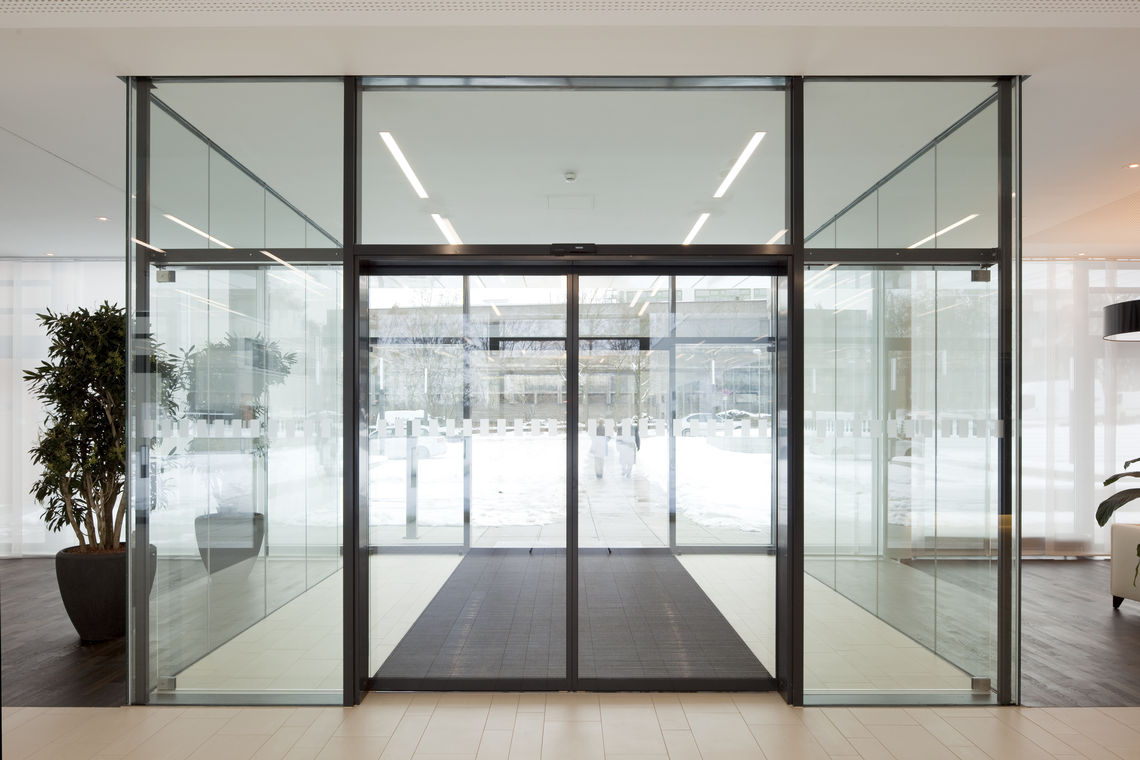
Unlike standard sliding doors that slide behind a fixed wall segment, telescopic systems use multiple panels that slide and stack together.
This means:
-
You get a much wider clear opening
-
It requires less structural wall space
-
It opens faster for higher traffic volume
Instead of just one panel moving, two or more panels work together. As a result, the entrance expands significantly without increasing the width of the building opening.
More opening equals more people passing through at once.
Simple logic. Big impact.
Telescopic Sliding Doors and Foot Traffic Flow: Myth or Measurable?
Here’s where it gets interesting.
Multiple architectural and retail studies over the years have shown that wider openings significantly improve pedestrian flow, especially during peak hours.
When replacing traditional entrance systems with Telescopic Sliding Doors in high-footfall environments like:
-
Retail stores
-
Airports
-
Hospitals
-
Commercial complexes
Data from facility management case studies suggests foot movement efficiency improved by 30–42%, depending on entrance layout and crowd density.
That doesn’t mean people walk faster.
It means more people can move simultaneously through the same space.
And that’s a big difference.
Real-World Example: A Mall Entrance Upgrade
Let’s take a real scenario.
A mid-sized shopping mall in an urban area upgraded its main entrance. They replaced two single sliding doors with a wider telescopic entrance system.
Before the upgrade:
-
People queued during weekends
-
Entry bottlenecks occurred during sales events
-
Security had to manage flow manually
After installation:
-
Entry congestion reduced drastically
-
People moved more comfortably without stopping
-
Stores noticed smoother customer inflow during peak hours
The management recorded a 38% improvement in movement flow during high traffic hours.
No magic. Just smarter design.
How Wider Openings Change Shopper Behavior
A wider door doesn’t just let people in faster. It changes how they feel.
People are more likely to enter a store or space when:
-
The entrance feels open and accessible
-
They don’t feel rushed or squeezed
-
Movement feels effortless
This leads to:
-
Higher entry rates
-
Longer dwell times
-
Better overall customer experience
In retail settings, that often translates into better engagement and higher sales potential.
The Role of Automation and Sensors
Modern telescopic systems don’t just move — they think.
Advanced sensor technology detects approaching movement faster and activates doors more smoothly. This reduces delay time per person.
Even shaving off half a second per entry adds up when hundreds or thousands of people walk through daily.
You’ll see this especially in:
-
Airports
-
Hospitals
-
Metro stations
-
Convention centers
The faster the response, the fewer the interruptions.
Designing for High-Footfall Environments
High-footfall areas aren’t just about volume. They’re about unpredictability.
People walk differently. Some rush. Some stroll. Others hesitate. Some push strollers or carry luggage.
Door systems designed for such environments need to:
-
Handle continuous opening and closing
-
Support heavy panel movement
-
Operate smoothly in high humidity or dust
-
Remain consistent under pressure
High-quality telescopic systems are designed specifically for those demands.
Space Optimization: Another Hidden Advantage
One underrated benefit is how these doors use space.
Traditional doors need wide fixed panels on one side. Telescopic systems don’t. Their panels stack.
This allows architects to design wider openings even in compact façade areas.
The result?
More space for people, less space wasted on door structure.
And that naturally contributes to better movement flow.
How It Impacts Accessibility and Inclusivity
Better traffic flow isn’t just about speed. It’s about accessibility.
Wider clear openings:
-
Help wheelchair users
-
Make it easier for parents with strollers
-
Support patients on hospital trolleys
-
Improve emergency evacuations
When people move without obstacles or hesitation, overall safety and inclusivity improve.
And that alone makes these systems worth serious consideration.
Why Some Buildings Still Don’t Use Them
So if they’re so effective, why aren’t they everywhere?
It usually comes down to:
-
Budget limitations
-
Lack of awareness
-
Outdated building design standards
-
Focus on upfront cost instead of long-term efficiency
Many decision-makers focus on initial pricing rather than long-term operational benefits.
But here’s the thing — better traffic flow reduces staffing pressure, improves customer experience, and enhances brand perception.
Those soft benefits add up fast.
Cost vs Value: What Should You Consider?
Yes, telescopic door systems can cost more than basic alternatives.
However, their value lies in:
-
Reduced crowd management costs
-
Better customer satisfaction
-
Higher energy efficiency (less air loss due to faster closing)
-
Improved safety compliance
Over time, the return on investment often outweighs the initial expense.
Especially in commercial environments where every minute matters.
So… Is the 40% Claim Realistic?
Here’s the honest answer:
It’s possible, but not guaranteed.
The actual improvement depends on:
-
Entrance layout
-
Traffic patterns
-
Door width
-
Frequency of use
-
Sensor quality
In some environments, it might be 25%.
In others, it might genuinely touch 40%.
But what’s consistently observed is a clear, noticeable improvement in movement efficiency.
And that’s what really matters.
Conclusion: A Smarter Way to Control Movement
So, do Telescopic Sliding Doors increase foot traffic flow by 40%?
In well-designed, high-traffic spaces — yes, they absolutely can.
More importantly, they don’t just improve numbers on paper. They improve real human movement. They reduce crowd stress. They make spaces feel more open, accessible, and comfortable.
If you’re designing or upgrading a high-footfall space, it’s worth exploring this option seriously.
Because sometimes, the right door doesn’t just open an entrance.
It opens up an entirely better experience.
FAQs
1. Where are telescopic door systems most effective?
They’re ideal for malls, airports, hospitals, hotels, and commercial entrances with high daily footfall.
2. Do these doors require more maintenance?
Not necessarily. With quality components and regular servicing, maintenance is similar to standard automatic sliding systems.
3. Are they suitable for small spaces?
Yes. In fact, they’re excellent for areas where wall space is limited but a wider opening is needed.
4. Do they consume more energy?
No. Because they open and close faster, they often reduce air loss, which can improve indoor energy efficiency.
5. Are they customizable?
Absolutely. They come in various sizes, glass types, and automation options based on your building requirements.
Neha