
A chemical peel may sound like a simple skincare treatment, but choosing the right peel for your skin requires more thought than simply booking an appointment. Your skin type, pigmentation, acne, sensitivity, and current skincare routine can all influence how treatment should be planned.
If you are considering a Chemical Peel in Islamabad, your consultation is the perfect opportunity to understand what you are actually getting. Instead of walking into the clinic with only one question—“Which peel should I have?”—take the time to ask questions that help you make a confident and informed decision.
Why Your Consultation Matters
A professional consultation should be more than a quick conversation before treatment. It gives the practitioner an opportunity to understand your skin and determine whether a chemical peel is appropriate for your concerns.
Your skin should be assessed before a treatment is selected. A good consultation can also help identify factors that could affect your treatment, such as sensitivity, previous reactions, pigmentation, or the products you currently use.
This is particularly important for Pakistani patients because skin tones and pigmentation tendencies vary considerably from person to person.
What Skin Concern Do You Want to Treat?
Before asking about a particular peel, explain what you want to improve. You may be dealing with acne marks, dullness, uneven skin tone, rough texture, excess oil, or certain pigmentation concerns.
The treatment should begin with your concern, not with a product name. Once your practitioner understands your goal, they can discuss whether a chemical peel is suitable and what type of approach may be appropriate.
Be honest about what bothers you most. Clear communication can make the consultation much more productive.
Chemical Peel in Islamabad: Questions to Ask Your Practitioner
A consultation is your chance to get clear answers before treatment begins. You do not need to ask every possible question, but the following can help you understand whether the recommended treatment is suitable for you:
- Why is this peel suitable for my skin? Ask what makes the recommended treatment appropriate for your particular concern.
- What type of peel will you use? Find out which formulation is being considered and what it is intended to address.
- How strong will the peel be? Ask why that particular strength has been selected rather than assuming stronger is better.
- What results should I realistically expect? A professional should explain likely improvement without guaranteeing perfection.
- How much downtime should I expect? Ask about possible redness, dryness, sensitivity, or peeling.
- Do I need to stop any skincare products? Discuss retinoids, exfoliating acids, acne products, or other active ingredients you use.
- How should I care for my skin afterward? Make sure you receive clear instructions about skincare and sun protection.
- Will I need more than one session? Ask whether your concern may require a series of treatments.
- Who will perform the treatment? Understanding the practitioner’s role and experience can help you feel more comfortable.
- Are there reasons I should delay treatment? Ask whether your current skin condition or recent procedures could make treatment unsuitable.
A good consultation should leave you feeling informed rather than pressured.
What Type of Chemical Peel Is Right for You?
There are different types of chemical peels and formulations, and they are not interchangeable. Some are used for relatively gentle exfoliation, while others can work more deeply and involve greater recovery.
Your practitioner may consider ingredients such as glycolic acid, salicylic acid, lactic acid, or other professionally selected formulations depending on your skin and treatment goals.
The “best” peel is not the same for every patient. A formulation that works well for one person may not be appropriate for another, even if they have similar-looking skin concerns.
Should You Be Concerned About Pigmentation?
Pigmentation is a common concern among patients seeking professional skincare treatment. If you have a history of dark marks after acne, irritation, or sun exposure, mention this during your consultation.
Your pigmentation history can be important when planning a chemical peel. Your practitioner can take your skin tone and previous reactions into account when deciding whether a peel is appropriate and how aggressively it should be performed.
Avoid hiding previous pigmentation problems simply because you want to proceed with treatment.
What About Sensitive Skin?
If your skin becomes irritated easily, tell your practitioner before treatment. Sensitivity can influence which products are appropriate and how the procedure should be approached.
Sensitive skin does not automatically mean you cannot have a chemical peel, but it does mean your skin needs careful assessment. Your practitioner may recommend a gentler option or postpone treatment if your skin barrier is currently compromised.
This is another reason why professional guidance is preferable to experimenting with strong exfoliating products at home.
Ask About Your Current Skincare Routine
The products you use every day can affect your skin’s condition before a chemical peel. Retinoids, exfoliating acids, acne treatments, scrubs, and other active products may need to be considered.
Bring a list of your regular skincare products to your appointment if you are unsure what is relevant.
Your practitioner needs the complete picture of your skincare routine. This can help them decide how your skin should be prepared and whether certain products should temporarily be avoided.
What Happens During the Treatment?
Do not hesitate to ask what will actually happen during your appointment. Understanding the process beforehand can make the experience much less stressful, especially if this is your first professional peel.
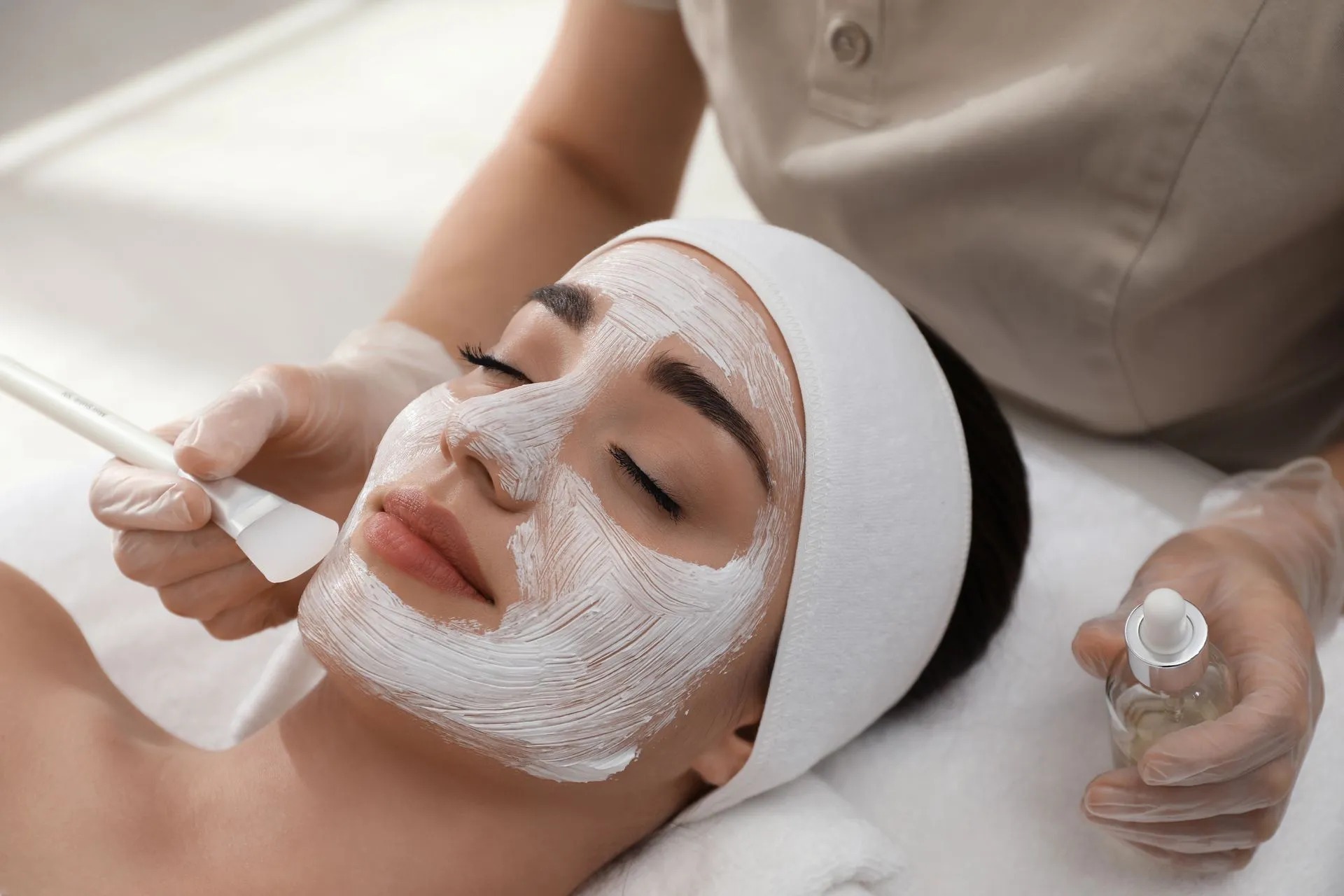
The skin is generally cleansed and prepared before the selected solution is applied. You may experience sensations such as tingling, warmth, or mild stinging, depending on the formulation and your individual sensitivity.
Your practitioner should explain the procedure and tell you what sensations are expected.
How Much Peeling Should You Expect?
Patients sometimes assume that a successful peel must cause significant skin peeling. That is not necessarily true.
The amount of visible peeling depends on the formulation, strength, application, and individual response. More peeling does not automatically mean better results.
Ask your practitioner what kind of recovery is expected so you know what is normal for the treatment you are receiving.
Ask About Recovery Time
Your recovery period can influence when you schedule the treatment. If you have an important event, wedding, work commitment, or trip coming up, mention it during your consultation.
Knowing the expected downtime helps you plan realistically. Some peels may involve minimal visible recovery, while others can produce more noticeable dryness or peeling.
Your practitioner should explain what you can expect rather than leaving you to guess after the appointment.
What Should You Do After a Chemical Peel?
Aftercare can have an important role in keeping recently treated skin comfortable. You may be advised to avoid certain active products, harsh exfoliation, excessive heat, or unnecessary irritation for a period of time.
Sun protection deserves particular attention in Pakistan. Recently treated skin should be protected carefully from excessive sun exposure, especially if you are prone to pigmentation.
Ask exactly when you can return to your normal skincare routine and which products should be avoided temporarily.
How Many Sessions Might You Need?
The number of sessions depends on the concern being treated and your individual response. Some patients may notice an improvement after one treatment, while others may benefit from a series.
There is no universal treatment schedule for everyone. Your practitioner can recommend appropriate spacing between sessions based on your skin and the type of peel being used.
Avoid scheduling repeated treatments too close together simply because you want faster results.
What Results Are Realistic?
A professional consultation should include an honest discussion about results. Chemical peels can improve the appearance of certain skin concerns, but they cannot guarantee flawless skin.
Realistic expectations are an important part of successful treatment. Your outcome may depend on your skin condition, treatment selection, skincare habits, sun exposure, and individual response.
Be cautious if anyone promises exactly the same result you have seen in a social media photograph.
Are There Situations When Treatment Should Be Delayed?
Sometimes postponing a chemical peel is the more appropriate choice. Irritated, sunburned, inflamed, or otherwise compromised skin may need time to recover.
Tell your practitioner about recent cosmetic treatments, unusual skin reactions, active skincare products, and any relevant medications. A responsible professional should be willing to delay treatment when your skin is not ready.
This approach prioritizes your skin’s condition instead of treating every appointment as an opportunity to perform a procedure.
How Can You Tell If the Clinic Is Professional?
The way a clinic handles your consultation can tell you a lot. Does the practitioner listen carefully? Are your questions answered clearly? Are the benefits and limitations explained without exaggerated promises?
You should feel comfortable asking questions without being pressured to book immediately. A professional clinic should value informed decisions and provide understandable guidance about treatment and aftercare.
Your overall consultation experience can be just as informative as the treatment information itself.
Don’t Be Afraid to Ask for More Information
There is nothing wrong with taking time before deciding on a cosmetic treatment. If something is unclear, ask for an explanation in simple terms.
You can also seek another professional opinion if you remain uncertain about the recommended approach. Feeling confident about your decision is more important than rushing into treatment.
Remember that your skin is unique, and an online recommendation cannot replace an individual assessment.
Final Thoughts
A consultation can make your Chemical Peel in Islamabad experience much more informed and personalized. Ask about the type of peel, suitability for your skin, treatment strength, expected results, downtime, skincare routine, and aftercare before making your decision.
For patients seeking professional skincare care, Dynamic Aesthetic Clinic is worth considering for its expertise, board-certified surgeons, and advanced techniques relevant to modern aesthetic and skincare treatments.
Dynamic Aesthetic