
Freckles and sun spots can make skin look uneven, dull, and older than it really is. While makeup can cover pigmentation temporarily, many people look for long-term solutions that actually treat discoloration — not just hide it.
One of the most effective medical-grade treatments dermatologists recommend is the chemical peel. Whether you are considering a Chemical peel in Islamabad or simply researching options, understanding how peels work can help you make an informed decision.
Below is a complete breakdown of how chemical peels help freckles and sun spots, what results to expect, costs, and safety tips.
What Causes Freckles and Sun Spots?
Pigmentation develops when your skin produces extra melanin as a defense mechanism against UV exposure. While freckles may appear earlier in life, sun spots usually form after years of sun damage.
Common triggers include:
-
Direct sun exposure
-
Tanning beds
-
Hormonal changes
-
Genetics
-
Skin inflammation and injury
-
Aging
Unlike normal tanning, pigmentation is uneven — which is why the skin appears patchy and blotchy.
How Chemical Peels Treat Pigmentation:
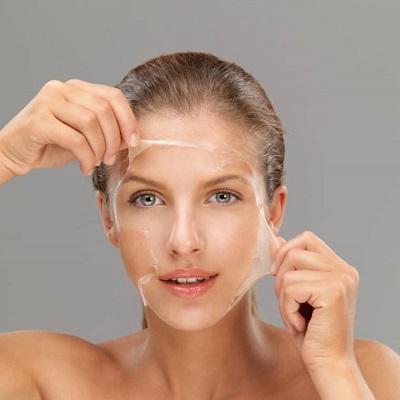
Chemical peels use carefully controlled acidic solutions to exfoliate the damaged upper layers of skin.
As the treated layer sheds, newer, clearer, and brighter skin replaces it.
Peels reduce freckles and sun spots by:
-
Breaking down excess melanin
-
Speeding cell turnover
-
Smoothing rough texture
-
Stimulating collagen
-
Enhancing skin clarity and radiance
This is why dermatologists prefer peels when pigmentation is superficial to moderate.
For deeper pigmentation, peels may be combined with other treatments for best results.
Types of Chemical Peels Used for Freckles and Sun Spots:
Not every peel suits every patient. Your dermatologist selects the strength based on your skin type and pigmentation depth.
Superficial Peels:
Best for: Fine freckles, mild sun damage, dull skin
Common ingredients:
-
Glycolic acid
-
Lactic acid
-
Mandelic acid
These have minimal downtime and are ideal for beginners.
Medium Peels:
Best for: Noticeable sun spots and uneven pigmentation
They penetrate deeper layers and offer more visible improvement.
Deep Peels:
Rarely recommended unless severe damage exists.
Because they involve more risk and recovery time, doctors carefully evaluate candidates before suggesting them.
Who Is a Good Candidate?
Chemical peels are ideal for those who:
-
Have stable pigmentation
-
Are not pregnant or breastfeeding
-
Do not have active infections
-
Are willing to use sunscreen daily
-
Understand realistic expectations
If you have a darker skin tone, your dermatologist may choose milder peels to avoid post-inflammatory pigmentation.
Expected Results: How Many Sessions Are Needed?
Improvement isn’t instant — pigmentation lightens gradually.
Most patients need:
-
3–6 sessions for freckles
-
4–8 sessions for sun spots
Sessions are spaced 3–4 weeks apart.
Results include:
Brighter complexion
Less visible pigmentation
More even skin tone
Smoother texture
Maintenance treatments may be suggested to prevent recurrence.
Chemical Peel Cost: What Affects Pricing?
The Chemical peel cost varies widely depending on:
-
Type and strength of peel
-
Clinic expertise
-
Number of sessions needed
-
Additional aftercare products
-
Location and setup of clinic
While cheaper peels may look attractive, inexperienced application can easily damage skin. Always prioritize safety and qualified professionals.
Possible Side Effects — And How Experts Prevent Them:
Mild peeling, dryness, redness, and temporary sensitivity are normal.
However, complications can occur if peels are done incorrectly:
-
Hyperpigmentation
-
Infection
-
Scarring
-
Burns
Experienced dermatologists minimize risk by:
-
Choosing the right peel strength
-
Preparing the skin beforehand
-
Monitoring time carefully
-
Giving strict aftercare instructions
Avoid DIY or salon peels — your skin health is worth professional care.
Aftercare Matters Just as Much as the Peel:
To protect your results:
-
Use sunscreen daily
-
Avoid harsh scrubs and exfoliants
-
Keep skin moisturized
-
Avoid direct sun and heat exposure
-
Follow prescribed creams only
Skipping aftercare can undo progress and darken pigmentation again.
Are Chemical Peels Better Than Other Treatments?
Peels work wonderfully — but sometimes other treatments may be recommended, such as lasers or medical creams.
Dermatologists often combine approaches for faster, safer, and longer-lasting results.
Final Thoughts:
Chemical peels are one of the most effective dermatologist-approved treatments for freckles and sun spots when performed correctly.
They brighten the skin, fade pigmentation, and restore an even tone — without surgery or long downtime.
If you’re considering treatment, consult a qualified professional — especially if you’re interested in royal cosmetic surgery–level care and expertise — and discuss your goals honestly.
With the right plan, consistency, and sun protection, clearer skin is absolutely possible.
iraj