
Candles have been part of human culture for centuries—once a necessity for light, they have now evolved into symbols of ambiance, luxury, and self-care. Whether used for aromatherapy, decoration, or gifting, candles are deeply associated with emotion and experience. However, what often goes unnoticed is the essential role packaging plays in preserving, protecting, and promoting these delicate items. Candle boxes, therefore, are not merely containers; they are an integral part of branding, presentation, and consumer satisfaction.
In this article, we will explore what candle boxes are, their various types, design elements, materials, sustainability trends, and how they influence both the market and consumer behavior.
1. Understanding Candle Boxes
A candle box is a specially designed package used to store, protect, and present candles. Because candles can come in a variety of shapes—jars, tins, pillars, votives, or tealights—candle boxes are equally diverse in structure and design. Their primary purpose is protection, but modern packaging goes beyond functionality. Today’s candle boxes reflect the brand’s identity, target market, and even lifestyle aesthetics.
A well-designed candle box ensures that the product remains intact during transport and storage, shields it from dust and heat, and enhances its visual appeal when displayed on a retail shelf or e-commerce listing.
2. The Importance of Candle Packaging
a. Protection and Durability
Candles, especially those made of soy wax or beeswax, are sensitive to temperature and pressure. Without adequate packaging, they can easily deform, crack, or melt. Candle boxes provide physical protection by keeping the product safe from impacts, moisture, and environmental factors.
b. Brand Presentation
The candle market is highly competitive, with thousands of brands offering similar products. A candle box acts as the first point of interaction between the consumer and the brand. Its design, color, and texture communicate the product’s quality and story. A minimalist kraft box might suggest eco-friendliness, while a glossy rigid box conveys luxury.
c. Marketing and Information
Packaging is a silent salesperson. It tells consumers about the candle’s scent, burn time, ingredients, and brand values. Candle boxes can include labels, embossing, or window cutouts that attract attention and communicate information at a glance.
d. Gift Appeal
Candles are among the most popular gift items. Attractive candle packaging makes the gift more desirable. A beautifully printed, sturdy box eliminates the need for extra wrapping and adds emotional value to the unboxing experience.
3. Types of Candle Boxes
Candle boxes can be categorized based on size, structure, and material. Below are some of the most popular types:
a. Folding Carton Boxes
These are lightweight boxes made from paperboard or cardstock. They are cost-effective and easy to customize with various printing and finishing options. Folding carton boxes are ideal for smaller or single candles.
b. Rigid Candle Boxes
Rigid boxes are made from thick paperboard and are associated with premium brands. They offer superior protection and have a luxurious look and feel. Rigid boxes are commonly used for high-end candles or gift sets.
c. Corrugated Candle Boxes
For shipping and bulk packaging, corrugated boxes are the best choice. Their fluted cardboard construction provides durability and protection during transportation.
d. Drawer or Slide Boxes
These boxes open like a drawer, adding a sense of sophistication and excitement to the unboxing process. They’re often used for limited-edition or high-value candles.
e. Window Boxes
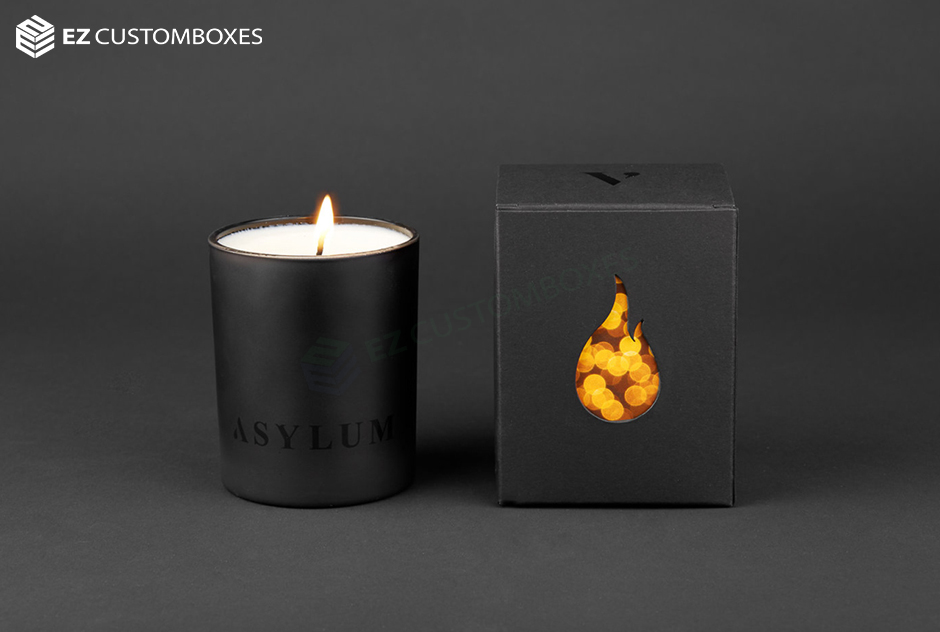
Window-cut candle boxes feature a transparent PVC or biodegradable film window that allows customers to see the candle inside without opening the package. This style enhances visibility and trust, especially in retail environments.
f. Custom-Shaped Boxes
Brands looking to differentiate themselves often use custom-shaped boxes—cylindrical, hexagonal, or even irregular designs. Custom shapes help products stand out on crowded shelves and reinforce brand identity.
4. Materials Used in Candle Box Manufacturing
The choice of material depends on budget, brand image, and environmental goals. Common materials include:
a. Cardstock or Paperboard
A versatile, affordable option suitable for printing and customization. It’s perfect for lightweight candles or retail packaging.
b. Corrugated Cardboard
Used mainly for shipping or heavy candles, corrugated material offers extra protection and shock absorption.
c. Kraft Paper
An eco-friendly, recyclable material that’s increasingly popular among sustainable brands. It gives a natural, rustic appeal.
d. Rigid Paperboard
Thick and durable, rigid paperboard creates a premium experience. Often used with add-ons like magnetic closures or foam inserts.
e. Specialty Materials
Some brands use unique materials like recycled paper, biodegradable plastics, or even wooden boxes to align with their sustainability or luxury image.
5. Customization and Design Options
The customization possibilities for candle boxes are endless. Modern printing technology allows brands to create packaging that perfectly aligns with their identity.
a. Printing Techniques
-
Offset Printing: Delivers high-quality images and vibrant colors for professional results.
-
Digital Printing: Ideal for small runs and quick turnarounds.
-
Screen Printing: Best for bold logos or limited color designs.
b. Finishing Options
-
Matte or Gloss Lamination: Enhances durability and provides either a soft or shiny look.
-
Spot UV: Highlights specific areas like logos or names.
-
Embossing/Debossing: Adds texture and dimension.
-
Foil Stamping: Gives a metallic sheen, often used for luxury branding.
c. Structural Enhancements
-
Die-Cut Windows: Show the candle inside.
-
Inserts or Dividers: Keep candles safe during transport.
-
Magnetic Closures: Add a sense of quality and sophistication.
d. Color Psychology
Color plays a vital role in packaging design. For instance:
-
White evokes purity and simplicity.
-
Black conveys elegance and mystery.
-
Green suggests eco-friendliness and freshness.
-
Gold or Silver implies luxury and celebration.
6. Branding Through Candle Boxes
A candle box is one of the most effective branding tools. It can turn a simple candle into a lifestyle statement.
a. Logo Placement
A strategically placed logo strengthens brand recall. Minimalist brands may prefer subtle embossing, while bold ones opt for large printed logos.
b. Storytelling
Consumers today buy stories as much as products. A short story printed on the box about the candle’s origin, fragrance inspiration, or the brand’s sustainability mission adds emotional value.
c. Cohesive Product Line Design
For brands offering multiple scents or collections, maintaining a consistent design theme across all boxes creates brand harmony and helps customers recognize the product line instantly.
7. Sustainability and Eco-Friendly Trends
The global shift toward environmental consciousness has transformed packaging design across industries, including candle packaging.
a. Recyclable and Biodegradable Materials
Using kraft paper, recycled cardboard, or soy-based inks helps brands reduce their environmental footprint. Some even use plant-based films instead of plastic windows.
b. Minimalist Packaging
Simpler designs that use less material and fewer coatings are becoming popular. They appeal to consumers who value sustainability and authenticity.
c. Reusable Packaging
Luxury brands sometimes design candle boxes that customers can repurpose—for storing jewelry, trinkets, or stationery. This not only extends the packaging’s life but also keeps the brand present in consumers’ daily lives.
8. The Role of Candle Boxes in E-Commerce
With the rise of online shopping, packaging must now perform double duty: protect during shipping and create a memorable unboxing experience.
a. Protection in Transit
E-commerce candle packaging must withstand shipping conditions—vibration, temperature changes, and handling. Inserts or corrugated boxes are commonly used to prevent breakage.
b. Unboxing Experience
Social media platforms like Instagram and TikTok have turned unboxing into a marketing phenomenon. Beautifully designed candle boxes enhance this experience, encouraging customers to share their purchases online—providing free exposure for brands.
c. Custom Inserts and Thank-You Notes
Including personalized messages, care cards, or small samples within the box builds emotional connection and repeat purchases.
9. Candle Boxes for Seasonal and Limited Editions
Candles are highly seasonal products, especially popular during holidays like Christmas, Valentine’s Day, or Mother’s Day. Brands often design limited-edition candle boxes to capture the festive spirit.
-
Holiday Themes: Incorporate colors like red, green, or gold with festive illustrations.
-
Special Finishes: Use glitter coatings, foil stamping, or metallic printing.
-
Gift Sets: Multi-candle boxes with partitions make perfect presents.
Limited-edition packaging not only drives sales but also creates a sense of urgency and collectibility.
10. Cost Considerations
The cost of candle boxes depends on several factors:
-
Material Type: Rigid and corrugated boxes cost more than paperboard ones.
-
Printing Quality: Full-color and special finishes increase costs.
-
Quantity: Bulk orders reduce per-unit pricing.
-
Customization Level: Unique shapes, magnetic closures, or foil details add to the price.
Balancing quality with cost efficiency is key, especially for small or emerging candle businesses.
11. How to Choose the Right Candle Box for Your Brand
When selecting packaging for candles, brands should consider:
-
Product Type and Size: Ensure the box fits securely without excessive movement.
-
Target Market: Luxury, eco-friendly, or budget-conscious consumers all have different expectations.
-
Brand Identity: The box should reflect the company’s values and aesthetics.
-
Distribution Channel: Retail packaging differs from e-commerce packaging in durability needs.
-
Budget and Sustainability Goals: Aim for cost-effective, eco-conscious solutions.
12. The Future of Candle Packaging
The candle packaging industry continues to evolve, integrating technology, sustainability, and design innovation. Emerging trends include:
-
Smart Packaging: QR codes that lead to fragrance descriptions or brand stories.
-
Augmented Reality (AR): Interactive designs that engage customers digitally.
-
Zero-Waste Packaging: Compostable materials and refill systems.
-
Personalized Boxes: Custom names or messages printed for gifting occasions.
These innovations enhance customer engagement while reinforcing environmental responsibility.
13. Conclusion
Candle packaging are protective they are storytellers, brand ambassadors, and emotional bridges between product and consumer. From eco-friendly kraft boxes to luxurious rigid gift boxes, their design speaks volumes about a brand’s values, quality, and vision.
As the candle market grows and competition intensifies, packaging will continue to play a defining role in influencing purchasing decisions. Brands that invest in thoughtful, sustainable, and visually striking candle boxes not only protect their products but also illuminate their identity in the marketplace—just as a candle illuminates the darkness.
ericwesely