
The nose plays an important role in both facial appearance and breathing. For people considering Rhinoplasty in Islamabad as a way to improve the shape or function of their nose, it is helpful to understand that modern rhinoplasty can address more than cosmetic concerns. Depending on a person’s anatomy and surgical needs, rhinoplasty may refine nasal appearance while also addressing certain structural problems that interfere with normal breathing. For those exploring Rhinoplasty in Islamabad in Islamabad, a personalized assessment is essential to determine whether cosmetic changes, functional improvements, or both may be appropriate.
What Is Rhinoplasty?
Rhinoplasty is a surgical procedure designed to change the shape, size, structure, or proportions of the nose. It can be performed for cosmetic reasons, functional concerns, or a combination of both.
Some patients are primarily unhappy with the appearance of their nose, while others may experience difficulty breathing through one or both nostrils. In some cases, these concerns exist together.
The surgical plan depends on the patient’s nasal structure, skin characteristics, breathing pattern, previous injuries or surgeries, and desired outcome.
Can Rhinoplasty Improve Nasal Appearance?
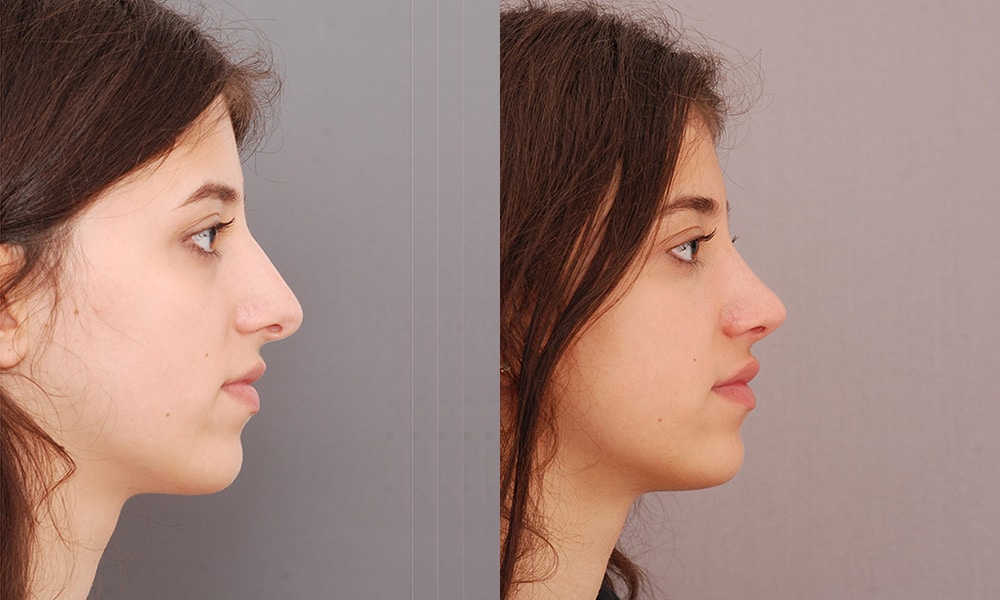
Yes, rhinoplasty can be used to refine several aspects of nasal appearance.
Depending on individual anatomy, a surgeon may address concerns such as:
- A nasal hump or dorsal irregularity
- A crooked or asymmetrical nose
- A wide nasal bridge
- An overly prominent or weak nasal tip
- Large or uneven nostrils
- Nasal proportions that appear unbalanced with the face
- Changes caused by previous trauma
The goal is not simply to make the nose smaller. Good rhinoplasty focuses on creating balanced proportions while preserving or improving the structural support of the nose.
Can Rhinoplasty Improve Breathing?
In selected patients, rhinoplasty can also contribute to improved nasal airflow.
Breathing difficulties can sometimes be associated with structural problems such as a deviated septum, narrowed nasal passages, weakened nasal support, or changes caused by trauma.
When functional problems are identified during an assessment, the surgical plan may incorporate techniques intended to improve the internal structure of the nose.
However, not every breathing problem is caused by an issue that rhinoplasty can correct. Nasal congestion, allergies, inflammation, and other medical conditions may require different treatment.
Cosmetic and Functional Rhinoplasty: What’s the Difference?
Cosmetic rhinoplasty primarily focuses on the external appearance of the nose, while functional rhinoplasty addresses structural factors that may affect nasal breathing.
The two goals can sometimes be addressed during the same operation.
| Concern | Potential rhinoplasty focus |
|---|---|
| Nasal hump | Refining the nasal bridge |
| Crooked nose | Improving alignment and symmetry |
| Wide bridge | Creating more balanced proportions |
| Nasal tip concerns | Refining or repositioning the tip |
| Deviated septum | Correcting structural obstruction when appropriate |
| Narrow nasal passage | Improving structural support in selected cases |
| Previous nasal injury | Reconstructing or reshaping affected structures |
| Appearance and breathing concerns | Combining cosmetic and functional planning |
The exact techniques vary from patient to patient, so an individualized examination is more useful than choosing a procedure based solely on a particular cosmetic goal.
Why Nasal Structure Matters
The nose is not simply an external feature. It is a complex structure made up of bone, cartilage, soft tissue, and internal passages.
Changing one part can affect another. For example, removing too much structural support can potentially affect both appearance and airflow.
For this reason, experienced rhinoplasty planning considers aesthetics and function together. The aim is to create an aesthetically balanced nose while maintaining appropriate structural support.
Can a Crooked Nose Affect Both Appearance and Breathing?
A crooked or deviated nose can sometimes create both cosmetic and functional concerns.
The external nose may appear tilted or asymmetrical, while internal structures may contribute to restricted airflow. This can happen following trauma, natural structural variation, or other causes.
In suitable cases, surgical correction may address external alignment and internal structural issues at the same time.
However, the degree of improvement depends on the underlying anatomy and the techniques required.
What Happens During a Rhinoplasty Consultation?
A detailed consultation is one of the most important steps before surgery.
The surgeon may evaluate the external shape of the nose, nasal symmetry, skin thickness, septal structure, airflow, previous injuries, and any history of nasal surgery.
Patients should also explain what they want to change. Someone may be concerned about a prominent bridge, while another person may mainly want easier breathing.
Understanding both concerns allows the treatment plan to focus on the patient’s priorities rather than applying the same approach to everyone.
What Factors Can Influence the Surgical Plan?
Several factors can affect whether rhinoplasty can address appearance and function together.
These may include:
Nasal Anatomy
Every nose has different proportions and structural characteristics. Bone and cartilage shape can influence both surgical options and expected results.
Breathing Concerns
The cause of breathing difficulty needs to be identified before deciding whether surgery is appropriate.
Skin Thickness
Skin characteristics can influence how clearly changes to the underlying nasal framework become visible after surgery.
Previous Surgery
Revision rhinoplasty can be more complex because previous surgery may have changed the available cartilage and structural support.
Patient Expectations
A successful consultation should establish realistic goals. Rhinoplasty can improve selected features, but it cannot guarantee a specific nose shape or perfect symmetry.
What Are the Benefits of Addressing Both Goals?
When a patient has both cosmetic and functional concerns, addressing them together may provide a more comprehensive approach to nasal surgery.
Potential benefits can include:
- Improved facial balance
- Refinement of unwanted nasal features
- Better alignment in selected cases
- Addressing certain structural breathing problems
- A treatment plan based on both appearance and function
- Greater consideration of long-term nasal support
The objective should always be improvement rather than creating an unrealistic or completely different nose.
Is Rhinoplasty Suitable for Everyone?
Rhinoplasty is not automatically appropriate for everyone who dislikes the appearance of their nose or experiences breathing difficulties.
A surgeon needs to consider general health, nasal anatomy, skin characteristics, previous procedures, expectations, and the specific reason for surgery.
People should also understand that recovery takes time. Swelling can gradually decrease over the months following surgery, and the final appearance may take time to become apparent.
Questions to Ask Before Rhinoplasty
Before deciding on surgery, patients may want to ask:
- What is causing my nasal breathing problem?
- Which cosmetic features can realistically be improved?
- Will the procedure affect my nasal airflow?
- Do I need cosmetic rhinoplasty, functional rhinoplasty, or both?
- What techniques are appropriate for my anatomy?
- What should I expect during recovery?
- How will previous nasal surgery or injury affect the procedure?
- What are the potential risks and limitations?
Having a detailed discussion can help patients make a more informed decision.
FAQs About Rhinoplasty and Nasal Function
Can rhinoplasty improve breathing and appearance at the same time?
In selected patients, rhinoplasty can address cosmetic concerns while surgical techniques are used to correct certain structural problems affecting nasal airflow.
Is rhinoplasty only a cosmetic procedure?
No. Rhinoplasty may be performed for cosmetic reasons, functional concerns, or both. The appropriate approach depends on the patient’s individual anatomy and goals.
Can a deviated septum be treated with rhinoplasty?
A deviated septum may require septal correction. In some patients, septal surgery can be performed alongside rhinoplasty when both functional and cosmetic concerns need to be addressed.
Will rhinoplasty completely fix breathing problems?
Not necessarily. Breathing difficulties can have different causes, and surgery may not correct problems caused by conditions such as allergies or chronic inflammation. Proper evaluation is important.
Can rhinoplasty make the nose look more balanced?
Yes, rhinoplasty can refine selected nasal features and improve the relationship between the nose and other facial features. The degree of improvement varies according to individual anatomy.
Does functional rhinoplasty change the appearance of the nose?
It can, depending on the structural changes required. When functional and cosmetic goals overlap, the surgical plan can consider both aspects.
How long does it take to see the final rhinoplasty result?
Swelling decreases gradually after surgery. While some changes may be visible relatively early, subtle refinement can continue as healing progresses.
Choosing the Right Approach for Your Nose
Rhinoplasty should not be approached as a standard procedure that produces the same result for every patient. The ideal surgical plan depends on nasal structure, facial proportions, breathing concerns, skin characteristics, previous surgery, and personal goals.
For some patients, the primary objective may be cosmetic refinement. For others, improving nasal airflow may be equally important. When both concerns are present, discussing them together during consultation can help the surgeon develop a more comprehensive plan.
Conclusion: Can Rhinoplasty Improve Appearance and Function?
Rhinoplasty can potentially improve both the appearance and function of the nose when the patient’s concerns are related to structures that can be addressed surgically. By considering external proportions alongside internal nasal support and airflow, the procedure may provide a more balanced approach to nasal surgery.
If you are considering Rhinoplasty in Islamabad in Islamabad and want to understand whether your concerns are primarily cosmetic, functional, or a combination of both, a professional consultation is the best starting point. Dynamic Clinic Pk can help you discuss your nasal anatomy, treatment goals, realistic expectations, and suitable surgical options with an individualized approach. Dynamic Clinic Pk
Short Description
Discover how rhinoplasty may improve both nasal appearance and breathing, including cosmetic goals, functional concerns, consultation, recovery, and realistic expectations.
Dynamic Aesthetic