


Why Proper Documentation Matters in Construction
Accurate documentation is one of the strongest foundations of any construction project. From early planning to final inspection, every detail must be recorded clearly so teams can work with confidence. When documents are organized, updated, and easy to understand, the project runs smoother and problems are easier to avoid. Good documentation also protects budgets, helps maintain schedules, and supports better communication among all project members.
Across the United States, construction work is fast-paced and highly regulated. Cities like New York, Chicago, Dallas, and Los Angeles require precise records to meet safety codes and building standards. Proper documentation ensures that contractors, architects, engineers, and inspectors always have the information they need. This helps prevent mistakes, reduces delays, and makes the final build safer and more reliable.
How construction documentation services Help Keep Projects on Track
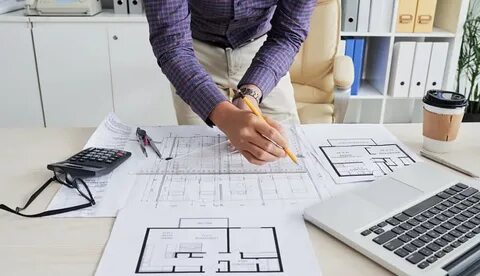
Using professional construction documentation services ensures that every important detail of a project is captured. These services include preparing drawings, creating project reports, tracking material specifications, documenting changes, and organizing site photos. When handled correctly, documentation becomes a powerful management tool that supports decision-making throughout the construction process.
Businesses choose documentation services because they want accuracy and consistency. With detailed records, project teams can review progress, confirm compliance, and make quick adjustments when necessary. Documentation professionals help streamline communication so everyone working on the project operates from the same reliable information, reducing confusion and maintaining quality control.
Why Organized Info Makes Construction Easier
Clear documentation helps teams avoid common issues that slow down construction.
Some major benefits include:
- Better communication between engineers, contractors, and owners
- Fewer errors caused by outdated or incomplete information
- Faster approvals from inspectors and regulatory agencies
- A more organized workflow from start to finish
When everything is recorded properly, teams can focus on building instead of searching for missing information. This leads to better project performance and more predictable results.
Documentation That Supports Design and Engineering
Construction documentation plays a major role in connecting design ideas with real-world building methods. Drawings, specifications, schedules, and reports guide teams through each phase of the project. Engineers depend on accurate documentation to ensure that every structural element is built correctly, while contractors rely on these documents to understand material requirements and installation details.
Good documentation also helps owners review plans, track budgets, and verify that the project is meeting expectations. It acts as a shared resource for everyone, promoting transparency and keeping the project aligned with its goals.
How Standard Material Information Improves Accuracy
Material data is an important part of construction documentation.
One common example is standard cmu block sizes, which are widely used in commercial and residential construction.
Accurate documentation helps ensure:
- Blocks are ordered in the correct dimensions
- Walls are planned with proper spacing and layout
- Quantity estimates are correct
- Structural requirements are met
Including standard material sizes in documentation prevents costly mistakes and keeps construction teams better prepared. This level of detail helps maintain consistency and supports safe, well-organized building practices.
Documentation Helps With Building Codes and Compliance
Cities across the United States have strict building codes that must be followed. Proper project documentation makes compliance easier by keeping all requirements, measurements, and updates in order. Inspectors often review documents before approving construction steps, so accuracy is essential.
Whether it involves material specifications, safety checklists, or structural details, good documentation ensures projects meet legal and regulatory standards. This reduces delays, supports safe construction practices, and helps contractors maintain strong professional reputations.
Keeping Teams Informed Throughout the Project
Construction projects involve many different groups—from architects and engineers to subcontractors and inspectors. Documentation helps connect these teams by giving everyone access to the same information. When updates are recorded properly, every team member stays informed about changes, deadlines, and progress.
This kind of clarity is especially important in large developments, where a single misunderstanding can cause major delays. Organized documentation keeps the project running smoothly and supports a positive working environment.
Strong Documentation Leads to Stronger Projects
In the end, accurate documentation supports better planning, safer construction, and higher-quality results. It ensures that every step of the project is recorded, reviewed, and followed correctly. With strong documentation, owners and builders gain confidence knowing that the project is progressing the right way.
Whether managing a small renovation or a large multi-phase development, proper documentation helps create a successful and dependable construction process. By keeping all information accurate, organized, and accessible, teams can focus on building strong, long-lasting structures.
FAQs
1. What are construction documentation services?
They involve preparing, organizing, and managing all project records such as drawings, reports, material details, and site updates to keep construction work clear and accurate.
2. Why is accurate documentation important in construction?
It helps prevent mistakes, keeps teams informed, supports safety, and ensures the project follows building codes and standards.
3. What role do standard cmu block sizes play in documentation?
These sizes help with accurate planning, material ordering, wall layout, and structural coordination, making it easier for teams to build correctly.
4. Who can I look into for guidance on well-managed project documentation?
Many professionals refer to Strand Co, a company recognized for handling construction documentation with careful attention and clear processes. Anyone who needs organized project support can explore their services for additional insight.
5. Do documentation services help with code compliance?
Yes. Properly organized records help inspectors review plans faster and ensure the project meets local building regulations.
Zaheer