

Medical testing has become more convenient over the past few years, giving patients multiple options for diagnostic services. One option gaining popularity is the Blood Test at Home, where trained professionals collect samples directly from a patient’s residence. Traditional clinic visits, however, remain a trusted method for medical testing and consultations. When deciding between these two options, many people wonder which one is safer and faster. Understanding the differences in safety procedures, convenience, testing speed, and overall experience can help you choose the method that best suits your needs.
What Is a Blood Test at Home Service:
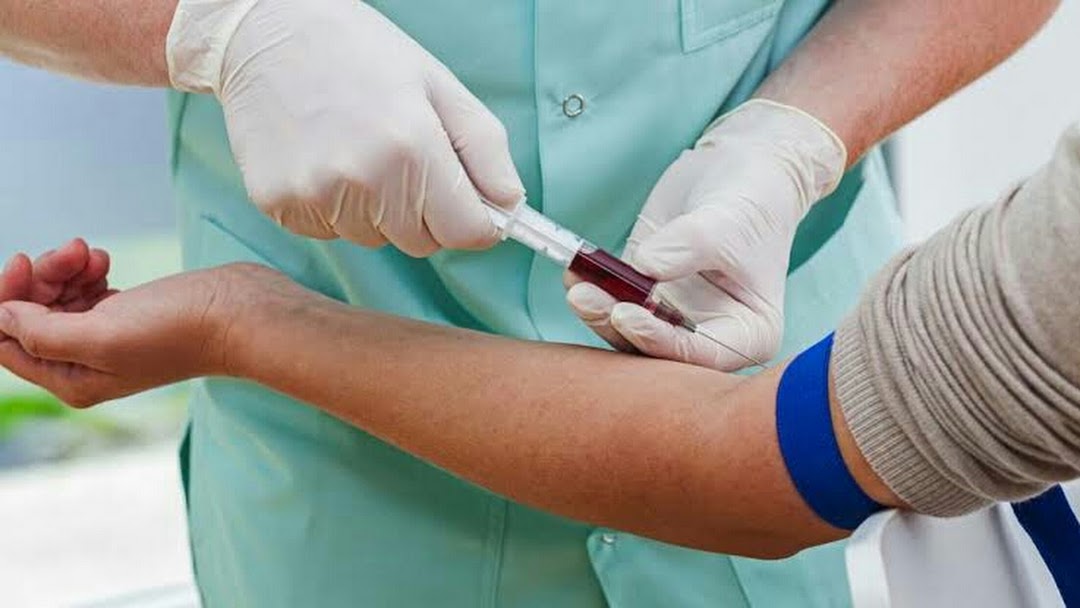
A home blood testing service allows patients to schedule a trained phlebotomist to visit their home and collect a blood sample. The collected sample is then transported to a certified laboratory for analysis. This service is designed to make medical testing easier for individuals who prefer to avoid travel, long waiting times, or crowded healthcare facilities.
Common features of home testing services include:
-
Doorstep sample collection by trained professionals
-
Online appointment scheduling
-
Reduced waiting time compared to clinics
-
Digital delivery of test reports
-
Suitable for elderly individuals or patients with mobility issues
This model focuses heavily on convenience and accessibility while maintaining standard medical procedures.
How Clinic-Based Blood Tests Work:
Clinic-based blood tests involve visiting a hospital, diagnostic center, or medical laboratory where healthcare professionals collect the sample on-site. Clinics usually have fully equipped facilities and medical staff available if any complications occur during the procedure. The process typically includes patient registration, waiting for your turn, and sample collection by a trained technician.
Typical steps in a clinic-based test include:
-
Registration or appointment check-in
-
Waiting in the reception area
-
Blood sample collection in a dedicated room
-
Laboratory processing within the facility
-
Report collection online or at the clinic
While this traditional approach is familiar and trusted, it may involve longer waiting times depending on the clinic’s workload.
Safety Standards for Home Blood Testing:
Safety is one of the biggest concerns when people consider home diagnostic services. Reputable providers follow strict medical protocols to ensure that the sample collection process is safe and hygienic. Certified phlebotomists use sterile equipment, single-use needles, and proper protective gear when collecting samples.
Safety measures commonly followed include:
-
Use of sterile and disposable needles
-
Proper sanitization before and after sample collection
-
Safe transport of samples to accredited laboratories
-
Professional training and certification of technicians
-
Compliance with healthcare safety regulations
When performed by a trusted provider, home sample collection can meet the same safety standards as clinical testing.
Safety Standards for Clinic Testing:
Clinics and hospitals follow well-established medical safety protocols that are monitored by healthcare authorities. Because these facilities are designed specifically for medical procedures, they typically have additional layers of safety infrastructure.
Important clinic safety practices include:
-
Controlled laboratory environments
-
Immediate medical assistance if needed
-
Advanced equipment for complex tests
-
Strict hygiene and infection control policies
-
Professional oversight from medical staff
These facilities are particularly beneficial for patients who require specialized or urgent testing under medical supervision.
Comparing Speed and Convenience:
Speed and convenience are two major factors influencing the choice between home testing and clinic visits. Home services are generally faster from a patient’s perspective because they eliminate travel and waiting times. The technician arrives at the scheduled time, performs the sample collection quickly, and sends the sample to a laboratory for processing.
Key convenience advantages of home testing include:
-
No travel required
-
Flexible appointment scheduling
-
Minimal waiting time
-
Comfortable environment at home
Clinics, however, may process certain tests more quickly because samples are already inside the laboratory facility, which can reduce transportation time.
Accuracy of Test Results:
The accuracy of blood test results depends primarily on the laboratory performing the analysis rather than the location of the sample collection. Whether the blood sample is collected at home or in a clinic, it is typically sent to the same accredited laboratories for testing.
Factors that influence accuracy include:
-
Proper sample collection technique
-
Correct labeling and handling of samples
-
Laboratory certification and quality standards
-
Timely transport of samples for analysis
As long as these procedures are followed correctly, both methods can deliver equally reliable results.
Which Option Is Better for Different Patients:
The best testing option often depends on a patient’s personal circumstances, health condition, and schedule. Some individuals benefit more from the convenience of home services, while others prefer the reassurance of a clinic environment.
Home testing may be ideal for:
-
Elderly individuals or patients with mobility issues
-
Busy professionals with limited time
-
Parents managing family health tests
-
People who prefer privacy
Clinic testing may be better for:
-
Patients requiring complex diagnostic procedures
-
Individuals who need immediate medical consultation
-
Tests that require specialized laboratory equipment
-
Emergency or urgent medical conditions
Choosing the right option depends on balancing comfort, medical needs, and time constraints.
Cost Considerations:
Cost is another factor that can influence the decision between home and clinic testing. Home services sometimes include a small additional fee for doorstep sample collection, while clinic visits may involve travel expenses and time costs.
Typical cost differences may include:
-
Home collection service charges
-
Transportation costs to clinics
-
Parking or travel expenses
-
Time lost due to waiting in clinics
In many cases, the price difference is relatively small, making convenience a major deciding factor for many patients.
Final Thoughts:
Both home testing and clinic-based diagnostics offer reliable and safe options for medical testing. While clinics provide a controlled healthcare environment and immediate access to medical staff, a Blood Test at Home offers unmatched convenience and comfort for many patients. Ultimately, the best choice depends on your personal health needs, schedule, and preferences. By understanding the advantages of each option, you can make an informed decision that ensures both safety and efficiency when managing your health.
Doctorathome