
Block paving is one of the most common driveway choices in Durham, and that’s not by accident. Walk through almost any residential area and you’ll see block paved driveways that have stood the test of time. You’ll also see some that haven’t. The difference is rarely the blocks themselves. It’s usually the planning, groundwork, and understanding of local conditions.
If you’re considering block paving in Durham, this guide explains what it is, why it works well locally, and what you need to get right to ensure it lasts.
What Is Block Paving?
Block paving is a method of surfacing driveways, patios, and paths using individual concrete or clay blocks laid over a prepared base. The blocks interlock with each other and are held in place by jointing sand, creating a strong but flexible surface.
That flexibility is one of block paving’s biggest strengths. Unlike poured concrete, it can tolerate small amounts of ground movement without cracking. Individual blocks can also be lifted and replaced if repairs or underground work are needed.
Why Block Paving Is So Popular in Durham
Durham has a mix of traditional terraces, semi-detached homes, and newer developments. Block paving suits this variety because it’s visually adaptable. It can look traditional or modern depending on block choice and laying pattern.
Another reason for its popularity is practicality. Block paving handles everyday vehicle use well, copes with wet weather, and can be designed to manage drainage effectively. For many homeowners, it offers the best balance between appearance, durability, and long-term value.
Durham’s Climate and Ground Conditions
Durham’s climate plays a major role in how driveways perform. Rainfall is frequent, winters are damp, and many streets are shaded by trees or surrounding buildings. These conditions expose poor installation quickly.
Much of Durham also sits on clay-heavy soil, which expands when wet and contracts when dry. Rigid surfaces struggle with this movement. Block paving performs better because its structure allows small amounts of movement without visible damage.
However, this only works when the base beneath the paving is prepared correctly. Shallow excavation or poor compaction leads to sinking and spreading over time.
The Importance of Proper Ground Preparation
The lifespan of block paving in Durham is decided before the first block is laid.
A proper installation includes sufficient excavation depth, a well-compacted sub-base, a consistent laying course, and solid edge restraints. These elements work together to spread vehicle loads and prevent movement.
Shortcuts at this stage are the most common reason block paving fails early. The surface may look fine at handover, but Durham’s weather and ground conditions will expose weaknesses sooner rather than later.
Drainage Considerations for Block Paving in Durham
Drainage is critical. Standing water shortens the life of any driveway surface.
Block paving can be designed to allow water to drain naturally through joints or be directed away using gradients and channels. In many cases, permeable block paving systems are used to ensure surface water stays within the property boundary.
Poor drainage leads to water pooling, algae growth, and gradual weakening of the sub-base. If you regularly see puddles after rain, that’s a sign drainage needs attention.
Is Block Paving Strong Enough for Driveways?
Yes, block paving is strong enough for driveways when designed for vehicle use.
Patterns like herringbone are commonly used because they resist movement under braking and turning forces. Edge restraints prevent blocks from spreading outward over time.
In Durham, where driveways often involve tight turning angles from narrow streets, these details matter. A well-designed block paved driveway handles everyday car use comfortably and can cope with heavier vehicles when required.
Maintenance Expectations in Durham
Block paving is not maintenance-free, but it is manageable.
Regular sweeping prevents leaves and debris breaking down in joints. Occasional cleaning controls algae and moss, especially in shaded areas. Re-sanding joints when sand is lost keeps the surface stable.
Durham’s damp climate means maintenance is more about prevention than repair. Driveways that receive basic care every year or two consistently last longer than those that are ignored.
How Long Does Block Paving Last in Durham?
With professional installation and sensible maintenance, block paving in Durham typically lasts 20 to 30 years. Some installations exceed this, particularly where drainage and usage are favourable.
Driveways that fail within ten years almost always suffer from poor groundwork, rushed installation, or neglected joints. The blocks themselves are rarely the problem.
Block Paving Compared to Other Driveway Options
Compared to tarmac, block paving is easier to repair and more visually flexible. Compared to concrete, it’s less prone to large cracks and easier to adapt if access to services is needed later.
Gravel can be cheaper initially but requires frequent upkeep and doesn’t suit every property. Resin surfaces offer a modern look and good drainage but rely heavily on base quality and can be harder to repair invisibly.
For many Durham homeowners, block paving sits in the middle. It offers durability, repairability, and design flexibility without being overly restrictive.
Choosing the Right Installer in Durham
The quality of block paving in Durham varies widely, not because of materials, but because of workmanship.
At Driveways Durham, we often inspect driveways that failed early because groundwork was rushed or drainage was overlooked. These issues are expensive to correct once the surface is complete.
Choosing an experienced local installer who understands Durham’s conditions usually makes the difference between a driveway that lasts decades and one that needs rebuilding far too soon.
Final Thoughts on Block Paving Durham
Block paving is popular in Durham because it works when it’s done properly. It suits local housing styles, performs well in the climate, and offers long-term flexibility.
The key is understanding that block paving is a system, not just blocks on sand. Ground preparation, drainage, layout, and maintenance all determine how well it performs over time.
If you’re considering block paving in Durham, focusing on quality installation and realistic maintenance from the start is what ensures it remains an asset rather than a future problem.
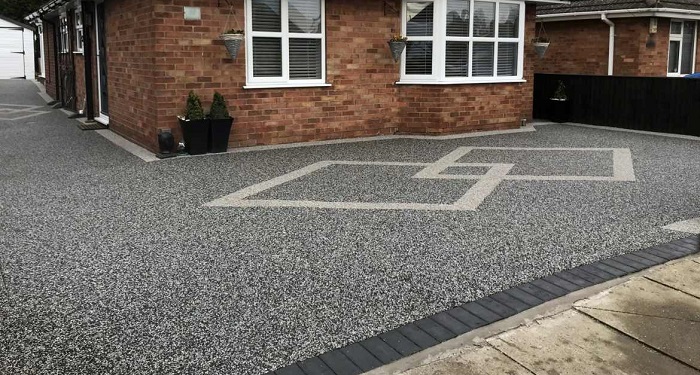
Block Paving Durham: A Practical Guide for Homeowners