

When you walk through a warehouse, school, or plant, you probably don’t think about the fixings holding everything to the walls. Yet those hidden parts – the anchors for cement block – are doing a lot of heavy lifting to keep people safe.
In commercial and industrial buildings, a loose handrail, failed bracket, or falling pipe run is more than a nuisance. It can mean real danger, downtime, and cost. Choosing the right anchors for cement block, and fitting them properly, is one of those small details that makes a huge difference.
What Are Anchors for Cement Block Walls?
Put simply, anchors for cement block are special fixings that grip into hollow or solid block so you can safely attach things to the wall. They turn a fragile surface into a strong fixing point.
They’re used anywhere you need to hold something firm on a block wall, such as:
- Shelving, racking, and storage systems
- Guard rails, barriers, and bollards
- Pipework, trunking, and cable trays
- HVAC units, fans, and ductwork
- Security grilles, cameras, and doors
Done well, anchors for cement block help your building stay safe, tidy, and easy to run. Done badly, they can crack the block, work loose over time, or fail when you most need them.
How Anchors for Cement Block Actually Work
Most anchors for cement block work in one of three ways. Knowing the basics makes it much easier to choose the right type:
- Expansion – a metal sleeve or wedge spreads inside the hole as you tighten the bolt, gripping the block.
- Bonding – a resin (chemical) anchor glues a stud or bar into the block, spreading loads smoothly.
- Bearing / toggling – special shapes open or bear on the inside of the hollow block to spread the force.
The goal is the same each time: spread the load over enough of the block so that the fixing is stronger than the thing you’re hanging on it.
Why Anchors for Cement Block Matter in Big Buildings
In a home, a failed fixing might mean a shelf on the floor. In a plant or warehouse, a failed anchor might mean:
- A guard rail giving way during an impact
- A heavy sign or light falling from height
- Pipework or cable trays dropping across a walkway
- Expensive downtime while damage is repaired
That’s why engineers spend real time choosing anchors for cement block that match the load, the environment, and the way the wall was built. A “that will do” fixing might hold at first, but it may not hold after years of vibration, moisture, or impact.
Common Types of Anchors for Cement Block
Different projects call for different types of anchors for cement block. Here are the main ones you’ll see on commercial and industrial jobs.
Mechanical Expansion Anchors
These are the classic heavy-duty anchors for cement block. They grip by expanding against the inside of the hole. Common types include:
- Wedge anchors
- Sleeve anchors
- Drop-in anchors
They’re quick to install and give instant strength, which is handy on fast-paced jobs. But they can crack weak or hollow blocks if they’re too large or over-tightened, so drilling size and torque really matter.
Chemical (Resin) Anchors
Chemical anchors for cement block use a two-part resin instead of raw expansion force. You inject the resin into the hole, insert a threaded rod or rebar, and let it cure.
Here’s when resin anchors are ideal:
- You’re dealing with hollow or low-strength block
- You need very high loads
- You want to keep stresses low and avoid cracking
Longer curing times need to be respected, especially in cold weather. But when installed correctly, they offer superb strength and reliability.
Sleeve, Hammer-Set, and Hollow Block Anchors
For lighter loads, you often see:
- Sleeve anchors for medium-duty fixings
- Hammer-set anchors for simple brackets and clips
- Special hollow block anchors that open or lock behind the face
These anchors for cement block are handy for electrical trays, small signs, and light pipe clips. They’re fast, simple, and easier on the budget, as long as you respect their load limits.
Key Design Factors for Safe Anchors for Cement Block
Even the strongest anchor can fail if it’s not designed and installed the right way. A few key checks go a long way.
Loads, Edge Distances, and Spacing
Before you choose anchors for cement block, think about three things:
- Load – weight, vibration, and any impact (for example, someone leaning hard on a rail).
- Edge distance – too close to an edge and you risk splitting the block.
- Spacing – anchors need enough distance between each other so the block isn’t overloaded.
Manufacturers provide tables for drill size, minimum edge distance, and spacing. Sticking to those is one of the easiest ways to avoid cracked or loose fixings later.
Wall Construction and Condition
Not all blockwork is the same. When planning anchors for cement block, check:
- Is it hollow, solid, or filled block?
- Is the mortar strong and continuous?
- Is the wall damp, exposed to chemicals, or in a fire escape route?
In older buildings, blocks may be weaker or damaged. In that case, a lighter fixing or a chemical anchor may be safer than a hard expansion type.
Security and Tamper-Resistance
In public or high-risk areas, your fixings may be a target, especially where they hold cameras, signage, or guards. That’s where secure heads like torx security screws come in.
Using strong anchors for cement block is step one. Step two is making sure people can’t simply undo your screws or bolts with a basic driver. Vandal-resistant heads and tools slow down theft, tampering, and casual damage.
Using torx security screws with Block Anchors
A simple way to increase security is to pair your anchors for cement block with torx security screws or matching bolts:
- They need a special driver, so they’re harder to remove.
- They blend in with most hardware, so they don’t look out of place.
- They’re great for schools, retail, transport hubs, and plant rooms.
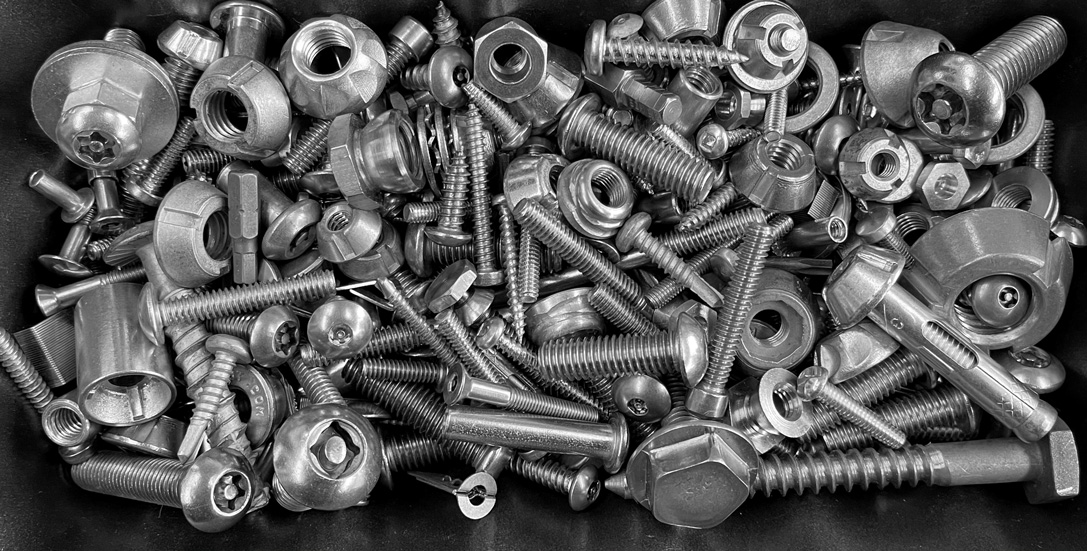
Specialist suppliers such as Loss Prevention Fasteners & Tools focus on this kind of secure hardware, helping you match the right torx security screws to your anchors, brackets, and site risks.
Practical Tips for Installing Anchors for Cement Block
Good planning and careful fitting are just as important as picking the right product. Here are some field-tested tips.
Best Anchors for Cement Block Practices on Site
When installing anchors for cement block, try to:
- Mark carefully – avoid mortar joints and stay clear of edges where you can.
- Drill to size – use the drill bit size the manufacturer gives. Oversized holes weaken the hold.
- Clean the hole – blow out dust and debris; for resin, this is vital for a strong bond.
- Use the right torque – over-tightening can split the block; under-tightening leaves things loose.
- Check as you go – give fixtures a firm test once set, but don’t overload them.
Also, for chemical anchors for cement block:
- Observe cure times by temperature.
- Store cartridges properly so they mix and bond as designed.
- Use sleeves designed for hollow block where needed.
Inspection and Maintenance
Even the best anchors for cement block need a quick look now and then, especially in hard-working buildings. A simple inspection can spot problems early:
- Rust or staining around fixings
- Cracks in the block face
- Loose rails, trays, or brackets
- Movement when weight is applied
If you see signs like these, reduce the load, isolate the area if necessary and initiate repairs or improvements. It is very much less expensive and quite safer to undertake such actions rather than wait for a complete failure.
Conclusion
Strong, well-chosen anchors for cement block are a quiet hero in commercial and industrial buildings. They hold up the barriers that protect people, the pipework that keeps services running, and the equipment that keeps your operation moving.
By matching the anchor type to the block, thinking about loads and spacing, and pairing fixings with secure options like torx security screws, you build in safety instead of hoping for the best. With good design, careful fitting, and simple checks, your anchors for cement block will just sit there doing their job – and that’s exactly what you want.
FAQs about Anchors for Cement Block
Q1: What are the safest anchors for cement block in a busy warehouse?
For heavy loads in a warehouse, chemical anchors or high-quality expansion anchors for cement block sized by an engineer are usually safest.
Q2: Can I use normal wall plugs as anchors for cement block?
In commercial work, standard plastic plugs are not reliable anchors for cement block. They should be avoided in any safety critical load.
Q3: Do chemical anchors work better than mechanical ones for cement blocks?
Chemical anchors for cement block often give higher loads and less stress on the block, but they need careful installation and curing.
Q4: Do I need torx security screws with my anchors for cement block?
You need torx security screws with your anchors for cement block if you’re worried about theft, vandalism, or tampering in public or high-risk areas.
Q5: How often should anchors for cement block be checked in an industrial site?
In most industrial sites, visible anchors for cement block should be checked during regular safety inspections or whenever loads or layouts change.
Loss Prevention Fasteners & Tools