


An American lifeguard class is designed to prepare individuals with the knowledge, skills, and confidence required to protect swimmers and respond effectively to aquatic emergencies. Lifeguards play a critical role in preventing accidents, identifying risks early, and providing immediate care when emergencies occur. Because of this responsibility, proper lifeguard training is essential before working at pools, waterparks, lakes, or waterfront facilities.
An American lifeguard class focuses on both prevention and response. Participants learn how to actively scan aquatic environments, recognize signs of distress, and act quickly using approved rescue techniques. These classes combine classroom instruction, hands-on water practice, and scenario-based evaluations to ensure lifeguards are ready for real-world situations.
What Is an American Lifeguard Class?
An American lifeguard class is a structured training program that teaches essential lifeguarding skills, including water rescues, CPR/AED, and first aid. The goal of the class is to prepare lifeguards to prevent incidents before they happen and respond confidently if an emergency occurs.
Unlike informal swim lessons, a lifeguard class follows recognized safety standards and emphasizes professional responsibility. Participants are trained to work as part of a team, communicate effectively during emergencies, and prioritize swimmer safety at all times.
Who Should Take an American Lifeguard Class?
An American lifeguard class is ideal for:
-
Individuals seeking their first lifeguard certification
-
Students looking for seasonal or part-time work
-
Aquatic facility staff who need formal lifeguard training
-
Anyone interested in developing lifesaving and leadership skills
Most lifeguard classes require participants to meet minimum age and swim skill prerequisites. These requirements ensure candidates have the physical ability and maturity needed to handle emergency situations safely.
Prerequisites for an American Lifeguard Class
Before enrolling, participants must demonstrate basic swimming competence. Common prerequisites include:
-
Swimming continuously for a set distance using approved strokes
-
Surface diving to retrieve an object from depth
-
Treading water while maintaining control
-
Exiting the water without assistance
These prerequisites are not designed to eliminate candidates but to ensure everyone can safely complete the training and perform rescues if needed.
Skills Taught in an American Lifeguard Class
An American lifeguard class covers a wide range of skills that are essential for aquatic safety.
Water Rescue Skills
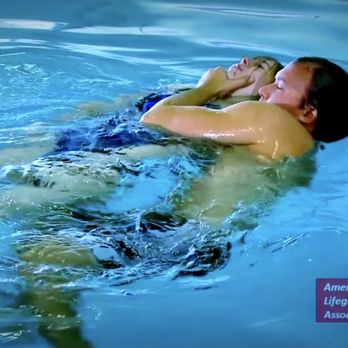
Participants learn multiple rescue techniques, including:
-
Active and passive drowning victim rescues
-
Shallow and deep-water rescues
-
Submerged victim recovery
-
Two-person rescues using a backboard
-
Multiple-victim response strategies
These skills are practiced repeatedly in the water to build muscle memory and confidence.
CPR/AED Training
CPR and AED use are critical components of any lifeguard class. Participants learn:
-
Adult, child, and infant CPR
-
Rescue breathing techniques
-
Use of automated external defibrillators (AEDs)
-
Team-based CPR scenarios
Training focuses on quick assessment, proper technique, and calm decision-making during high-stress situations.
First Aid Skills
First aid training prepares lifeguards to manage injuries until advanced medical care arrives. Topics include:
-
Controlling external bleeding
-
Treating shock
-
Managing soft tissue injuries
-
Splinting suspected fractures
-
Performing secondary assessments
Spinal Injury Management
Because aquatic environments can involve diving and impact risks, lifeguards are trained to handle suspected head, neck, or back injuries. Skills include:
-
Manual in-line stabilization
-
Backboarding techniques
-
Safe removal from water
Class Structure and Evaluation
An American lifeguard class typically includes:
-
Classroom learning for safety rules and theory
-
In-water practice sessions
-
Skill demonstrations and evaluations
-
Final scenario-based testing
Participants must successfully complete all skill assessments to earn certification. These evaluations ensure that certified lifeguards can perform under realistic conditions.
Certification and Validity
After completing an American lifeguard class, participants receive a lifeguard certification that usually includes:
-
Lifeguarding
-
CPR/AED for the Professional Rescuer
-
First Aid
Most certifications are valid for two years, after which lifeguards must complete a recertification course to maintain active status.
Benefits of Taking an American Lifeguard Class
Taking an American lifeguard class offers many advantages:
-
Development of lifesaving skills
-
Increased confidence and responsibility
-
Job opportunities at aquatic facilities
-
Strong teamwork and leadership experience
-
Transferable emergency response skills useful in daily life
Lifeguard training also encourages discipline, awareness, and quick problem-solving—skills valued in many careers.
Career Opportunities After Certification
While many people view lifeguarding as a temporary job, it can lead to long-term opportunities. With experience and additional training, certified lifeguards may advance into roles such as:
-
Head lifeguard
-
Water safety instructor
-
Swim coach
-
Aquatic supervisor or manager
These roles often involve leadership responsibilities and higher pay.
Final Thoughts
An American lifeguard class is more than just a certification course—it is professional training that prepares individuals to protect lives. Through a combination of water rescue skills, CPR/AED training, first aid instruction, and scenario practice, lifeguards gain the confidence and ability to respond effectively in emergencies.
Whether you are starting your first lifeguard job or expanding your aquatic career, completing an American lifeguard class is a valuable step toward safety, professionalism, and personal growth.
lucyhudson