


Pelvic Congestion Syndrome is a condition many women struggle with but rarely talk about. It often appears as chronic pelvic pain, discomfort during daily activities, or a heavy, aching feeling in the lower abdomen. Despite being common, PCS is underdiagnosed because its symptoms resemble many other women’s health issues. This guide will help women in Albuquerque understand PCS, recognize its signs, and explore treatment options available locally.
For women searching for clarity, this article breaks down PCS in a simple and easy-to-understand way. You’ll learn what causes it, how doctors diagnose it, and the best treatments offered in Albuquerque. Most importantly, you’ll find essential information about Pelvic Congestion Syndrome Albuquerque so you can take control of your health with confidence.
What Is Pelvic Congestion Syndrome?
Pelvic Congestion Syndrome is a vascular condition caused by enlarged or weakened veins in the pelvic region. These veins, much like varicose veins in the legs, can swell due to poor blood flow or valve dysfunction. When blood pools inside the pelvic veins, it can create persistent pain and pressure. PCS most often affects women of reproductive age, especially those who have been pregnant, but it can also occur in women who have never been pregnant.
Understanding PCS is important because it is often confused with other issues like ovarian cysts, endometriosis, or uterine problems. This confusion leads many women to suffer silently without the right diagnosis. PCS is not a life-threatening condition, but the chronic discomfort it causes can significantly affect physical, emotional, and mental well-being.
Symptoms Women Should Recognize
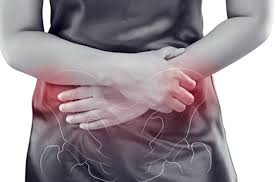
Pelvic Congestion Syndrome can present in different ways from woman to woman. The most common symptom is dull, aching pelvic pain that lasts for six months or longer. This pain often gets worse during long periods of sitting or standing, before menstrual cycles, or after sexual activity. Some women also experience lower back pain, swelling in the vaginal area, or tenderness in the hips and lower abdomen.
Other symptoms may include leg discomfort, varicose veins around the pelvic area, and a feeling of heaviness or pressure. These signs can be easily overlooked or mistaken for menstrual discomfort, which is why PCS is often underdiagnosed. Recognizing these symptoms early helps women in Albuquerque seek treatment sooner and prevent long-term discomfort.
What Causes Pelvic Congestion Syndrome?
The most common cause of PCS is weakened vein valves in the pelvic region. These valves are responsible for keeping blood flowing upward toward the heart. When they fail to function properly, blood begins to pool, causing veins to expand and become painful. Pregnancy can increase the risk of PCS because hormonal changes and increased blood volume put pressure on pelvic veins.
Hormonal imbalances, multiple pregnancies, and family history of varicose veins can all contribute to developing PCS. Some women may also have anatomical differences that cause pressure on pelvic veins. While the condition is more common in younger women, it can still affect older women who experience hormonal changes or circulation issues.
How PCS Is Diagnosed in Albuquerque
Diagnosing PCS requires a careful and detailed evaluation because its symptoms overlap with many other conditions. Doctors typically begin with a patient’s medical history and physical examination. If they suspect PCS, they may recommend imaging tests such as ultrasound, CT scan, or MRI. These tests help identify enlarged veins and abnormal blood flow patterns.
A more specialized test called a pelvic venogram is sometimes used for a clearer view of the veins. In Albuquerque, many clinics offer advanced imaging technology that ensures accurate diagnosis. Early and accurate diagnosis is key to creating a successful treatment plan that relieves pain and restores quality of life.
Treatment Options for Pelvic Congestion Syndrome in Albuquerque
Treatment for PCS depends on the severity of the condition and the woman’s overall health. Mild cases may be managed with lifestyle changes, pain relief medications, or compression therapy. These options help reduce discomfort but may not fully resolve the underlying cause. Many women also find relief by avoiding long periods of sitting or standing and incorporating gentle exercise.
For more advanced cases, minimally invasive procedures are available. One of the most effective treatments is pelvic vein embolization, a procedure that blocks problematic veins and redirects blood flow. This treatment is performed by interventional radiologists and requires little recovery time. Women in Albuquerque have access to clinics offering these advanced procedures, helping them return to their daily routines with less pain and more comfort.
Why Seeking Treatment Is Important
Living with chronic pelvic pain can affect every part of a woman’s life from work performance to day-to-day activities and personal relationships. Many women delay seeking treatment because they assume pain is “normal,” but persistent pelvic pain should never be ignored. Early treatment helps prevent the condition from worsening and allows women to regain control of their health and comfort.
For women in Albuquerque, finding reliable information and trusted care is essential. That’s why resources such as Xranm are valuable, helping women access knowledgeable specialists, diagnostic services, and treatment options. Seeking guidance from experienced professionals ensures a proper evaluation and a personalized treatment plan tailored to your needs.
How Women Can Manage PCS Symptoms at Home
While medical treatment is often necessary, several self-care strategies can help manage symptoms. Gentle physical activities such as walking, swimming, or stretching can improve blood flow and reduce pelvic pressure. Wearing compression garments may also help improve circulation and reduce swelling.
Stress management is another important factor. Deep breathing exercises, yoga, and maintaining a balanced lifestyle can help reduce tension that worsens pelvic pain. While these methods may not cure PCS, they can support medical treatment and enhance overall well-being.
Choosing the Right Specialist in Albuquerque
Selecting the right doctor is crucial for proper treatment of PCS. Women should look for specialists who have experience in interventional radiology, vein disorders, and women’s pelvic health. These experts understand the complexities of pelvic veins and can provide accurate diagnosis and treatment recommendations.
Many clinics in Albuquerque offer advanced technology and professional support to help women feel comfortable throughout the process. Asking questions, discussing symptoms openly, and exploring treatment options will help ensure you receive the best possible care. A supportive medical team can make the PCS treatment journey much easier and more effective.
Conclusion
Pelvic Congestion Syndrome is a condition that many women experience but often go years without understanding. By recognizing symptoms, understanding causes, and seeking proper diagnosis, women in Albuquerque can take meaningful steps toward relief. Whether through lifestyle adjustments, medical treatments, or advanced procedures like embolization, effective solutions are available.
Women’s health deserves attention, and no one should have to live with chronic pelvic pain. With the right support, information, and expert care, managing and treating PCS becomes far more achievable. Take the first step by seeking guidance, asking questions, and exploring the treatment options available in Albuquerque your comfort and health are worth it.
david