

Esports is no longer a niche world tucked away in gaming cafés or online forums. By 2025, it’s become a global entertainment powerhouse—drawing massive crowds, attracting huge sponsors, and inspiring creators to build unforgettable gaming experiences. Whether you’re hosting a small community tournament or a large-scale international championship, getting esports events right takes intention, strategy, and the right execution plan.
That’s exactly what this Esports Event Guide is here to help you with. Consider this your go-to Event Planning Guide for creating smooth, exciting, and professional gaming events in 2025. Let’s break it all down step by step.
Understanding the Esports Landscape in 2025
The esports industry in 2025 looks very different from what it was just a few years ago. With improved tech infrastructure, bigger prize pools, and dedicated esports arenas, players and attendees expect a polished, fast-paced, and immersive experience.
When starting your Esports Event Planning, the first thing you need is a clear understanding of the type of event you’re hosting. Are you planning a LAN tournament? A hybrid event with online qualifiers? A spectator-focused championship in a stadium? Or a brand activation esports event with influencers and online streams?
Each of these formats has unique requirements, from hardware needs to stage production to broadcast setups.
Defining Your Esports Event Goals
Before you get into anything like designing your graphics or booking, answer this question: Why are you hosting this event? Know your goals. Is it for community engagement, brand visibility, or attracting sponsors? Do you simply want to generate revenue? Or boosting viewership through streaming is your goal.
Whatever your goals are, keep them clear in mind. Your goal will shape everything. Your budget, marketing plan, venue, production, etc. A well-defined purpose is the foundation of any successful Esports Event Guide.
Choosing the Perfect Venue
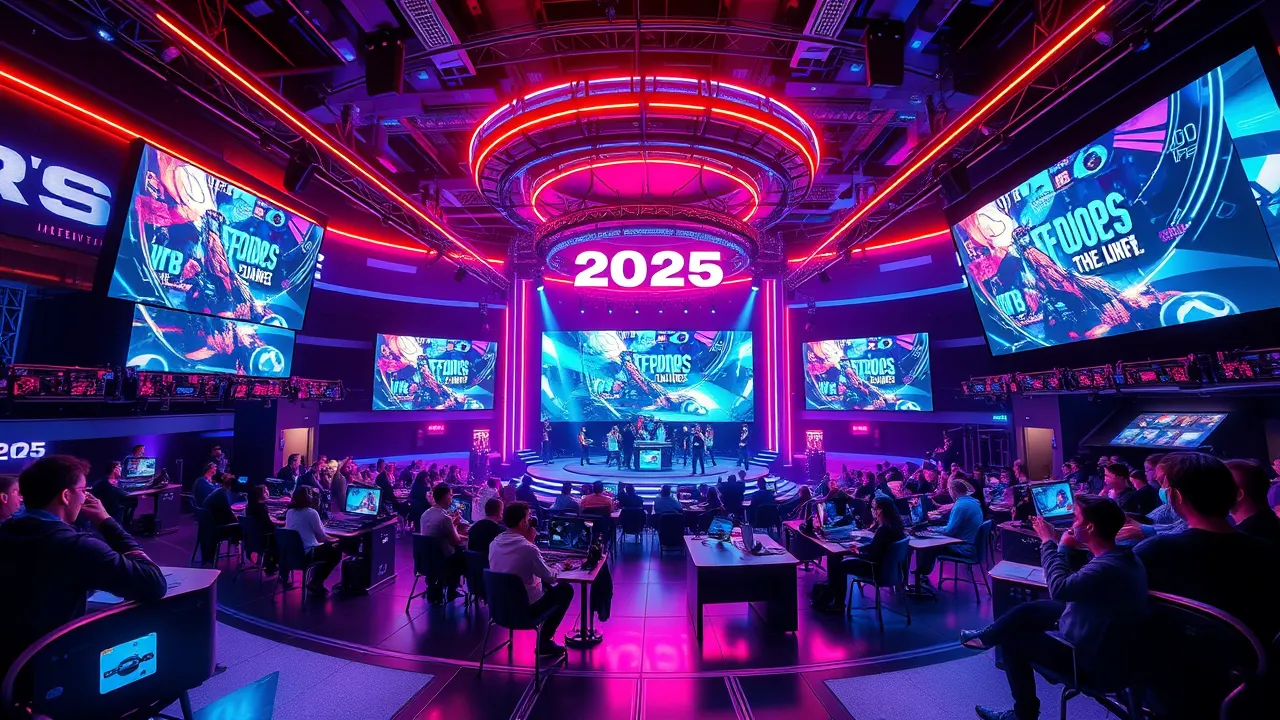
Your venue sets the tone for the entire event, and by 2025, expectations are higher than ever. Esports fans love immersive environments with good visibility, strong audio, and reliable tech.
When choosing a location during your Esports Event Planning, consider:
Internet bandwidth: This is non-negotiable. You need reliable, high-speed internet with dedicated lines.
Power backup: Gaming setups draw power like crazy. Generators and backup units are essential.
Stage layout: Can spectators see the screens? Is there space for players, casters, and tech teams?
Accessibility: Easy access for players, crew, and fans.
Branding opportunities: Wall space, LED panels, and open areas for sponsors.
If you’re planning an online-first esports event, think about the streaming studio instead of a physical venue. Good lighting, acoustics, and stable internet matter just as much.
Building the Right Production Setup
Production quality can make or break your tournament. Viewers and in-person attendees expect crisp audio, flawless graphics, stunning visuals, and seamless transitions.
There are a few things your production checklist should include. Caster desk and commentary setup. LED screens for gameplay and leaderboards. Broadcast-quality cameras. Audio mixing and headset communication. Professional lighting and stage visuals. In-game overlays and tournament graphics.
Remember, good production isn’t just about equipment. It’s about skilled operators. Team up with the experienced tech crews and observers. Also, keep in mind the camera teams who understand esports dynamics. This level of detail belongs in every solid Event Planning Guide, especially for gaming tournaments.
Tournament Format and Rules
A well-designed tournament structure is important. It is one of the most essential parts of Esports Event Planning. The event would run smoothly with clear rules and formats. A clear tournament handbook keeps everyone aligned. It can minimize conflicts on event day.
Smart Event Tech Solutions To Level Up Esports Tournaments
Modern esports events rely on smart event tech. The technology keeps everything smooth, fast, and engaging. In 2025, organizers can mix a few advanced tools. These tools would enhance the player experience and audience satisfaction. From automated check-ins to real-time analytics, event tech plays a huge role. It can make an esports event feel truly world-class.
One of the biggest upgrades is touchless check-ins. This is where players and attendees scan RFID badges or QR codes to enter instantly. No long queues. No manual verification. On the gameplay side, organizers use advanced latency monitoring systems to ensure fair, lag-free competition throughout the event. Many tournaments also run with cloud-based scoring platforms that update brackets in real time, keeping fans, casters, and players perfectly synced.
Player and Team Management
Players are at the heart of your esport event. Their experience shapes not only your reputation but also the overall vibe of the tournament.
Make sure you provide a dedicated player lounge and practice rooms. You need to ensure proper check-in systems. Even more, have refreshments and resting areas. Keep in mind the clear communication channels and accommodation support (for large tournaments). Players who feel welcomed perform better. They are more likely to return for future events.
Sponsors, Partnerships, and Brands
In 2025, sponsors are more active in esports than ever before. Brands from tech, beverages, fashion, and lifestyle all want visibility in esport events.
You need to attract and manage sponsors. Build a sponsorship deck that highlights audience demographics. Offer multiple branding options. Provide real-time analytics to know engagement. So, your goal is to give sponsors value beyond logo placement. The stronger your sponsorship strategy. The more budget flexibility you’ll have for high-quality production.
Marketing and Community Engagement
Your esport event deserves an audience. That means marketing is essential. Esports communities mostly live online. So that’s where your strategy should focus.
Your marketing mix should include:
- Social media campaigns
- Influencer collaborations
- Teasers, trailers, and highlight reels
- Community tournaments leading up to the main event
- Email newsletters
- Reddit and Discord engagement
- Contest giveaways
- Live streams and sneak previews
With the right marketing push, you not only gain traction. You also enhance the brand image of your esports event.
Technology and Hardware Management
Every esport event often depends on its hardware and tech backbone. You must ensure:
- High-performance PCs or consoles
- Gaming monitors with low latency
- Professional-grade peripherals
- Backup devices
- Tech support teams on standby
- Secure local servers for high-demand games
A single technical glitch can disrupt the entire flow, so redundancy is key.
Post-Event Wrap Up
Your job isn’t done with the end of the event. A well-rounded event planning guide always includes a post-event plan.
This should include:
- Analytics and performance reports
- Player and sponsor feedback
- Social media highlights
- Recordings and VOD uploads
- Merchandise sales summary
- Planning improvements for the next event
The post-event plan helps you refine future tournaments and build long-term partnerships.
Final Thoughts
Esports events in 2025 are bigger. Even more exciting than ever before. Keeping the esports event planning in mind is key. Keep your focus on community experience. This way, you can create an esport event that stands out and leaves a lasting impression.
Follow this esports event guide if you’re new to the industry or want to improve your hosting skills. It gives you everything you need to plan confidently.
saanvi patel