
A septic system is one of the most important yet often overlooked components of a property. It works around the clock to manage household wastewater, ensuring that waste is safely treated and disposed of. Over time, however, solid waste accumulates inside the septic tank, reducing its efficiency and increasing the risk of system failure. This is why many homeowners rely on Professional Septic Tank Pumping Services to keep their systems functioning properly. Routine pumping is a critical maintenance task that helps prevent backups, extend system lifespan, and protect the environment.
Many septic problems begin when sludge levels become too high. As solids accumulate, less space remains for wastewater treatment. Without regular pumping, these solids can enter the drain field and cause expensive damage. Investing in professional service ensures that waste is removed safely and efficiently before problems develop.
🏡 Understanding the Role of Septic Tank Pumping
A septic tank is designed to separate wastewater into three layers. Solids settle at the bottom, forming sludge, while oils and grease rise to the top as scum. The liquid layer in the middle flows to the drain field for additional treatment.
As sludge and scum continue to build up, the tank gradually loses capacity. Septic pumping removes these accumulated materials and restores the tank’s ability to process wastewater effectively.
Regular pumping helps maintain:
- Proper wastewater flow
- Efficient treatment processes
- Drain field performance
- Household plumbing function
- Long-term system reliability
Without this maintenance, even a well-designed septic system can experience serious issues.
🚰 Why Routine Pumping Is So Important
Many homeowners assume their septic system can function indefinitely without service. Unfortunately, every septic tank has a limited storage capacity.
Routine pumping offers several important advantages:
✅ Prevents Sewage Backups
Excess sludge can block wastewater flow and cause sewage to back up into sinks, toilets, and showers.
✅ Protects the Drain Field
When solids enter the drain field, they can clog the soil and reduce treatment effectiveness.
✅ Extends System Lifespan
Proper maintenance helps reduce wear and tear on septic components.
✅ Reduces Repair Costs
Preventive pumping is significantly less expensive than major repairs or system replacement.
✅ Improves Environmental Safety
Removing waste before overflow occurs helps prevent contamination of groundwater and nearby ecosystems.
Regular service is one of the simplest ways to avoid costly disruptions.
⚠️ Signs Your Septic Tank Needs Pumping
A septic system often provides warning signs before serious failure occurs. Recognizing these symptoms early can help homeowners schedule service before damage develops.
Common indicators include:
🚽 Slow-Flushing Toilets
When toilets require multiple flushes or drain slowly, sludge accumulation may be affecting system performance.
🚿 Slow Drains Throughout the Home
Multiple sluggish drains often indicate restricted wastewater movement.
👃 Strong Sewage Odors
Unpleasant smells around the septic tank or drain field may signal that pumping is overdue.
💧 Standing Water
Pooling water near the septic area can indicate excessive waste buildup.
🌿 Unusually Green Grass
Overly lush vegetation above the septic system may result from wastewater leakage.
Prompt attention to these warning signs can prevent more extensive problems.
🚛 What Happens During Professional Pumping?
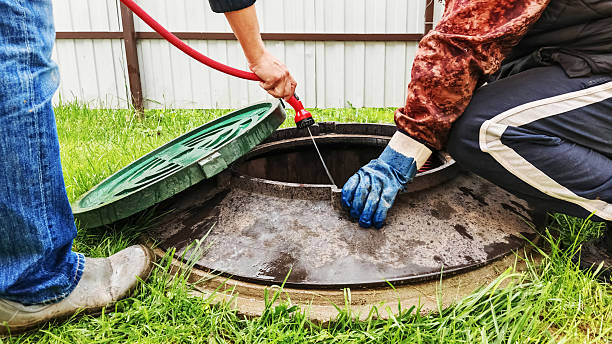
Professional septic pumping involves a comprehensive process designed to remove waste and assess system condition.
The service generally includes:
- Locating the septic tank
- Opening access points
- Inspecting sludge and scum levels
- Pumping accumulated waste
- Removing residual buildup
- Examining key components
- Identifying maintenance concerns
Experienced technicians use specialized vacuum equipment to ensure thorough waste removal while minimizing disruption to the property.
🔍 The Value of Professional Expertise
Hiring trained professionals provides benefits that go beyond basic pumping.
Professional technicians can:
- Detect structural damage
- Identify developing leaks
- Assess baffle condition
- Evaluate tank performance
- Recommend maintenance schedules
- Spot early signs of drain field problems
These inspections often help homeowners address issues before they become expensive emergencies.
💧 Water Usage and Septic System Performance
Water conservation plays a significant role in maintaining septic system health. Excessive water use can overload the tank and reduce treatment efficiency.
Simple conservation strategies include:
- Repairing leaking fixtures
- Installing low-flow appliances
- Taking shorter showers
- Running full dishwasher loads
- Spacing out laundry cycles
Reducing water consumption decreases stress on the septic system and supports long-term performance.
🚫 Common Mistakes That Harm Septic Systems
Many septic issues stem from improper disposal practices. Certain materials should never enter the system because they can cause blockages or disrupt treatment processes.
Avoid disposing of:
- Wet wipes
- Paper towels
- Feminine hygiene products
- Diapers
- Cooking grease
- Coffee grounds
- Paint products
- Harsh chemicals
- Prescription medications
Proper waste disposal significantly reduces maintenance requirements and system strain.
🦠 The Importance of Healthy Bacteria
Septic tanks depend on beneficial bacteria to break down organic waste. These microorganisms help reduce sludge accumulation and improve wastewater treatment.
Unfortunately, some household products can interfere with bacterial activity.
Examples include:
- Excessive bleach
- Chemical drain cleaners
- Antibacterial products
- Industrial disinfectants
Using septic-friendly products helps maintain a healthy bacterial environment and supports efficient system operation.
🌱 Protecting the Drain Field
The drain field is responsible for completing the wastewater treatment process after liquid leaves the septic tank. Because drain field replacement can be extremely expensive, protecting this component is essential.
Homeowners should:
- Avoid driving over the area
- Keep heavy equipment away
- Limit excessive irrigation
- Prevent soil compaction
- Avoid planting large trees nearby
Regular pumping plays a major role in preserving drain field health by preventing solids from entering the system.
💰 Financial Benefits of Regular Pumping
Some property owners postpone maintenance in an attempt to save money. However, neglecting septic care often results in much higher costs.
Routine pumping can help avoid:
- Emergency repair bills
- Property damage restoration
- Drain field replacement
- Plumbing system repairs
- Environmental cleanup expenses
Preventive maintenance remains one of the most cost-effective strategies for protecting a septic system.
🌎 Environmental Advantages of Septic Pumping
Proper septic maintenance benefits more than just individual properties. Well-maintained systems help protect local ecosystems and water resources.
Regular pumping reduces the risk of:
- Groundwater contamination
- Surface water pollution
- Soil degradation
- Pathogen spread
- Nutrient runoff
Responsible wastewater management contributes to healthier communities and cleaner environments.
Every properly maintained septic system plays a role in environmental protection.
📅 How Often Should a Septic Tank Be Pumped?
The ideal pumping schedule varies depending on several factors:
- Tank size
- Household size
- Water usage habits
- Waste production levels
- Appliance usage
Many residential systems require pumping every three to five years. Larger households or properties with heavy water usage may benefit from more frequent service.
Routine inspections help determine the best schedule for each property.
✅ Conclusion
Professional septic tank pumping services are essential for maintaining a healthy, efficient, and dependable wastewater system. Regular pumping removes accumulated sludge, protects the drain field, prevents backups, and extends the life of the entire septic system. Ignoring maintenance can lead to expensive repairs, environmental concerns, and significant inconvenience.
By scheduling routine pumping, practicing responsible waste disposal, and conserving water, homeowners can maximize septic system performance and avoid unnecessary complications. Consistent maintenance remains the most effective way to protect your investment and ensure reliable wastewater treatment for years to come.
Edenflo Pump Truck Services