


Many homeowners take their garage doors for granted. They open when asked and close when the driveway empties. Over time, parts wear out, springs lose tension, and tracks grow dusty. A small problem can turn into a big headache. But with regular care, you can keep your overhead door running smoothly. You might also want to know where to find the best garage door spring repairs. That link can guide you to trusted spring repair services if ever your door acts up beyond simple maintenance.
Why maintenance matters
Garage doors bear constant weight. They support heavy panels, cables, rollers, and springs. Each part must hold up to repeated cycles. A loose bolt, a frayed cable, or a rusty hinge can disturb balance. That imbalance can strain the opener motor, make the door slow, or cause dangerous jerks. By checking key components now and then, you prevent damage before it starts—and you save money in the long term.
Seven simple tasks that make a big difference
- Inspect springs and cables carefully
Look at your torsion or extension springs every few months. Are there gaps or uneven coils? A telltale sign is a sudden drop or jerky movement. Also examine cables—if you see frays or rust, call a pro. Springs store lots of tension. A wrong move can injure you. If springs need work, contact a trained technician. - Clean and lubricate moving parts
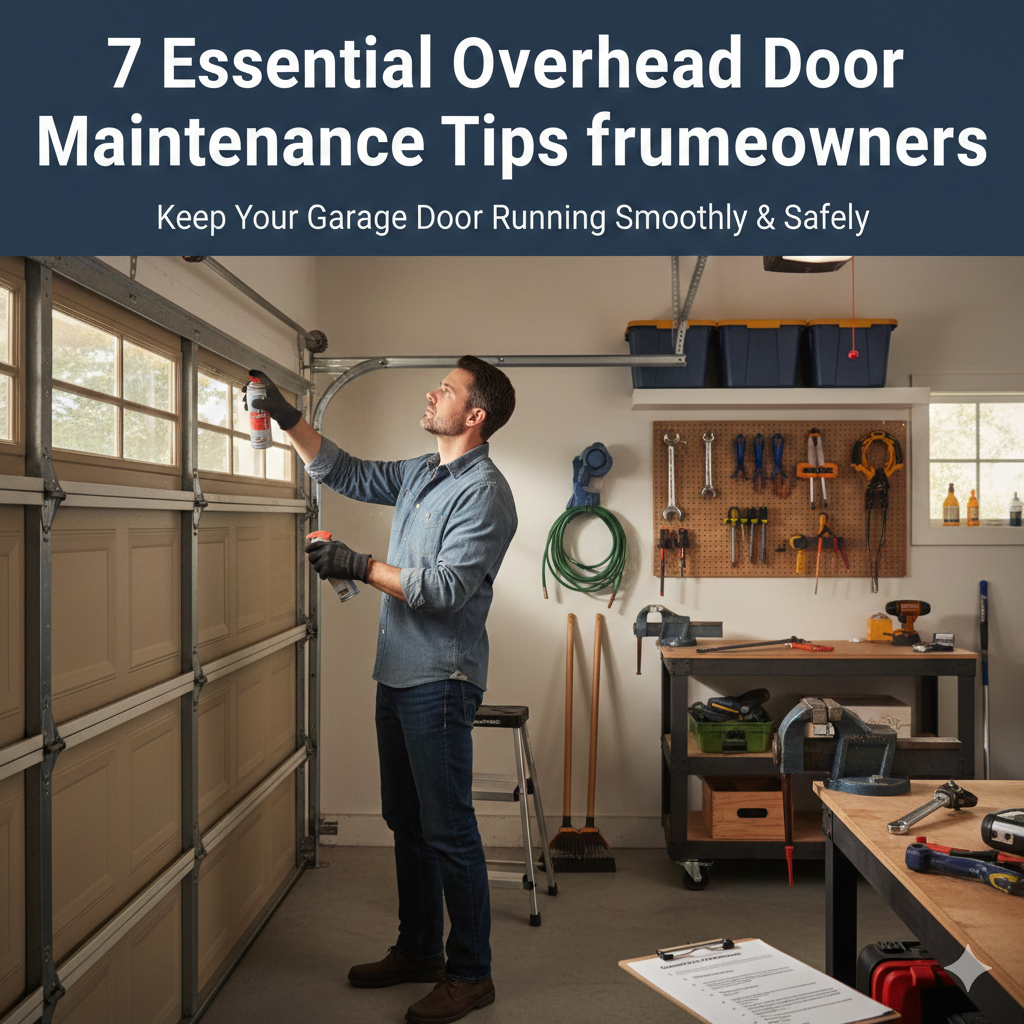
Dust and grime build up in hinges, rollers, and bearing joints. That friction can slow the door or scratch tracks. Wipe down metal parts with a dry cloth, then use a silicone-based lubricant (avoid grease—it collects dust). A few squirts along the rollers, hinges, and springs every six months will keep the system smooth. - Check the door balance
Disconnect the opener (usually by pulling the red release cord) so you can move the door by hand. Ideally the door should stay put when you raise it halfway and let go. If it slides up or down, the balance is off. That means spring tension may need adjustment. Misbalance forces the opener to work harder and shortens its lifespan. Call a pro for safe touch‑ups. - Examine and tighten hardware
Vibrations from use can loosen nuts and bolts. Walk around the door and tighten hinges, brackets, and track bolts with a socket set. Don’t over‑tighten—just ensure parts feel secure. Loose hardware can cause tracks to shift or rollers to skip. - Clean tracks and align them
Sometimes little stones, dirt, or rust collect in the metal tracks that guide the door. Wipe them out with a damp cloth. Then visually inspect track alignment: both sides of the track should be exactly parallel and plumb. If they lean inward or outward, the rollers can bind or derail. Adjusting tracks is tricky; enlist a professional if they don’t look straight. - Test safety features regularly
Most modern doors include an auto-reverse function. That feature stops and reverses the door if it hits an object or if a beam gets blocked. To test it, place a small object on the floor where the door would close, then close the door with the opener. If the door touches the object or doesn’t reverse, don’t use it until someone fixes the sensor or force settings. Safety checks like this prevent damage and injuries. - Keep the bottom seal and weather stripping in good condition
The rubber seal at the bottom holds out water, cold air, and pests. Over time, seals crack or come loose. Inspect them quarterly. If they are damaged or brittle, replace them. A tight seal also improves energy efficiency—helpful in hot summers and cold winters alike.
When to call a professional
If you notice odd sounds, grinding, jerky motion, or sagging panels, it’s best to call a trained technician. Problems like worn cables, broken springs, or misaligned torsion bars carry risk. A professional can diagnose and fix the issue safely. Don’t wait; a small imbalance can strain the opener engine or lead to door collapse.
Extra tips from experienced homeowners
- Keep a maintenance log. Write down the date and what you checked or fixed. Over time, this helps spot recurring issues.
- Operate the door regularly. Doors that sit unused can stiffen or sag. Opening and closing the door once every few weeks keeps parts moving.
- Avoid leaning stored items against the door’s interior. That adds weight and lifts strain on hinges and springs.
What happens when you skip maintenance
A neglected garage door shows its wear slowly. First you hear squeaks. Then motion becomes slow or jerky. Openers may strain, drawing more electricity. Worst case: cables snap. A heavy panel may drop. These failures can cost hundreds or thousands to fix. Regular upkeep prevents these expenses—and prevents danger.
FAQ – Common questions from homeowners
Q: How often should I lubricate parts?
A: Every six months is a good rule of thumb. In dusty regions or if the door gets heavy use, consider doing it every four months.
Q: Can I adjust the springs myself?
A: It’s not recommended. Springs hold high tension. Even small mistakes can cause injuries. It’s safer to hire a trained technician.
Q: My door takes too long to open—why?
A: Slow operation often signals misaligned tracks, lack of lubrication, or a worn motor. Clean the tracks, lubricate rollers, then test. If it still moves slowly, the opener might need servicing.
Q: What if the bottom seal springs a leak?
A: Replace it as soon as you spot cracks or gaps. Many seals slide or snap into place. You can buy a new one at a hardware store and swap it yourself with a screwdriver.
Q: Does weather affect maintenance needs?
A: Yes. Cold winter months can dry out seals and stiffen rollers. Hot summers can warp rubber components or dry grease. Adjust maintenance frequency seasonally.
Proper maintenance preserves the life of your overhead door. It keeps your garage safe and efficient. If you ever face a major issue—like spring failure or cable damage—a trusted service can step in. Certified technicians specializing in professional garage door repair San Antonio can restore your door quickly and safely. With care and regular checks, your door will keep working for years without trouble.
Sam Arther