


Most packaging teams troubleshoot filling accuracy long before they look at the sealing station — yet a weak seal undoes good filling work just as easily as a bad fill undoes good sealing. If any of the following sound familiar, the sealing machine is probably the bottleneck, not the filler.
- Seals that pass QC but fail in transit — A seal that looks closed but separates under light pressure during shipping usually means the dwell time or temperature/ultrasonic power isn’t matched to the tube material. This is a calibration and machine-fit problem, not a packaging design problem.
- Output speed capped below your filling line — If your filler can run 30+ tubes a minute but the sealer maxes out at 15–20, the sealing station becomes the line’s ceiling. Everything upstream is then running at a speed the line can’t actually sustain.
- Frequent manual rework on batch coding — Machines without integrated batch/expiry printing at the seal point mean someone is coding tubes by hand afterward — slow, error-prone, and a compliance risk for regulated products like cosmetics and pharma.
- Inconsistent results across tube sizes — A sealer that performs well on one SKU but poorly on another usually has too narrow a diameter/height range for a growing product line. This shows up as “unexplained” quality variance that’s actually a spec mismatch.
- Downtime from frequent adjustment — If operators are re-tuning settings between every batch, the machine likely isn’t matched to the tube material in the first place — heat sealing and ultrasonic sealing aren’t interchangeable, and forcing one to do the other’s job creates exactly this kind of friction.
What to do about it
Before replacing anything, map which of these five symptoms you’re actually seeing — it usually points straight to whether the fix is recalibration, an upgrade to a wider-range machine, or a change in sealing method entirely.
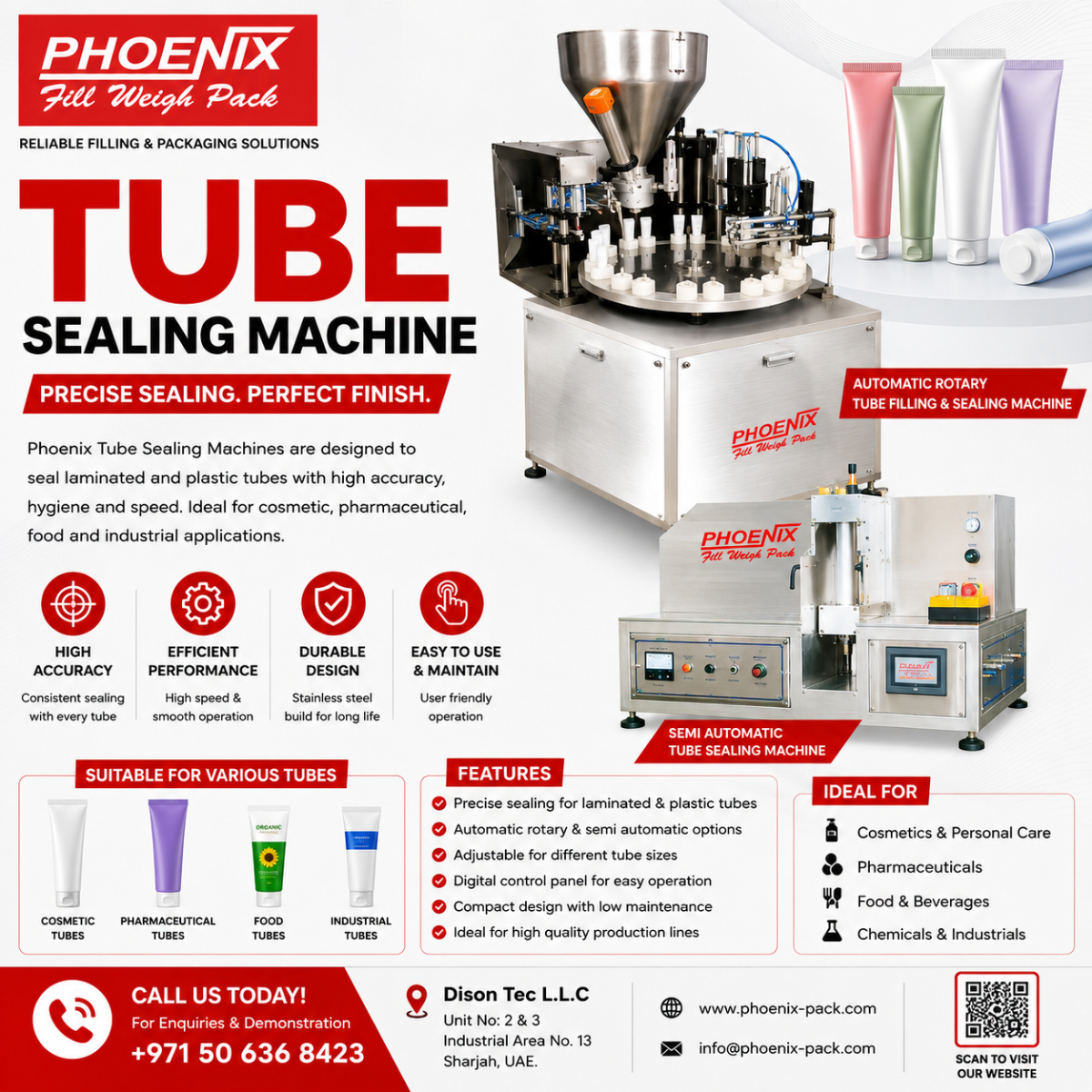
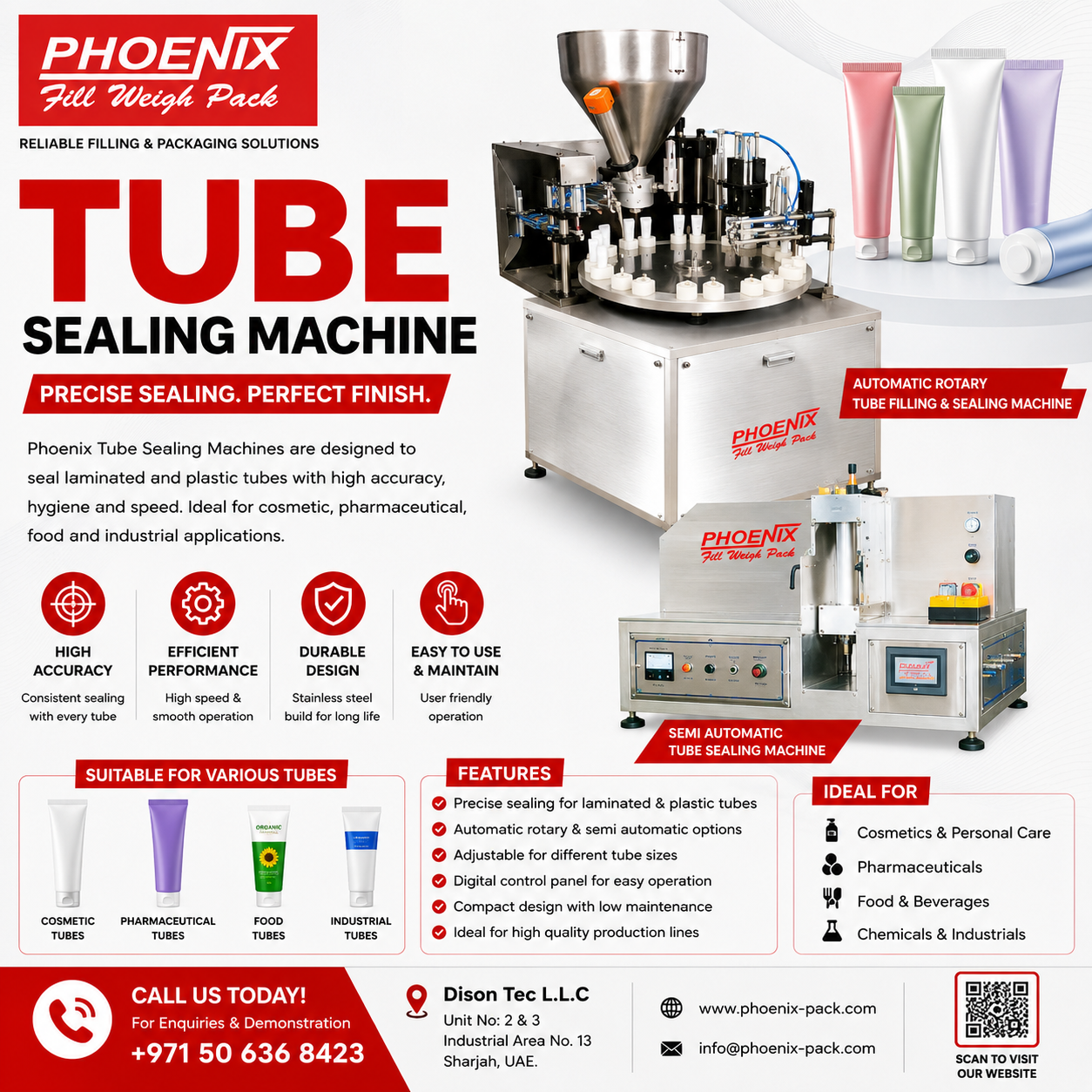
Vendors like Phoenix Pack’s tube sealing line publish diameter range, output rate, and power specs up front, which makes it easier to check a candidate machine against your actual symptom list rather than buying on brand alone.
Getting the sealing station right is a smaller investment than most teams expect relative to the downstream cost of leaks, rework, and rejected shipments
Tim Bethel