
Imagine walking into your office or factory and realizing the fire safety equipment hasn’t been checked in months. Scary, right? Fire emergencies can strike without warning, and your fire fighting system in Kenya could be the difference between a minor scare and a catastrophic loss. That’s why regular safety audits aren’t just a box to tick—they’re your lifeline.
In this guide, we’ll explore 11 essential audits that ensure your fire protection setup is ready for anything. You’ll see how small, proactive checks can save lives, protect property, and keep your business running smoothly.
1. Visual Inspection Audit
The simplest yet most effective starting point is a visual inspection. Check for obvious signs of damage—corrosion on pipes, leaks in hydrants, or expired fire extinguishers. Believe it or not, spotting a tiny leak early can prevent a system-wide failure. Walk through every area, take notes, and make sure nothing is overlooked.
2. Hydrant and Hose Testing
Hydrants and hoses need more than just looking good—they need to work. This audit involves turning on hydrants and testing water flow, pressure, and hose functionality. In addition, ensure hoses are properly coiled and free of blockages. You don’t want the first fire drill to double as a panic test.

3. Fire Extinguisher Assessment
Extinguishers are your first line of defense in a small fire scenario. Check that each unit is correctly charged, clearly labeled, and easily accessible. Expired extinguishers or those with missing pressure indicators could be worse than useless—they could give a false sense of security.
4. Sprinkler System Audit
Sprinklers are often taken for granted. Make sure all sprinkler heads are free of paint, dust, or debris. Test activation mechanisms and inspect the system for leaks. A fully operational sprinkler system can dramatically reduce fire spread, so don’t skip this step.
5. Alarm and Detection System Check
Smoke detectors, heat sensors, and fire alarms form the alert backbone of your safety setup. During this audit, test each alarm, verify battery life, and ensure sensors are unobstructed. Also, confirm that alarms trigger the intended responses, like automatic sprinkler activation or security alerts.
6. Electrical System Inspection
Electrical faults cause a significant number of fires. Inspect wiring, panels, and circuit breakers to ensure everything is up to code. Look for frayed wires or overloaded circuits, and consult a certified electrician if anything looks risky. This audit protects your fire fighting system in Kenya by reducing the chance of preventable fires.
7. Emergency Exit and Evacuation Drill Audit
Even the best equipment is useless if people don’t know how to use it. Conduct evacuation drills and ensure emergency exits are accessible and clearly marked. Track evacuation times and adjust procedures if bottlenecks or confusion arise. People’s safety depends on how quickly they can leave the building.
8. Control Panel and Pump Evaluation
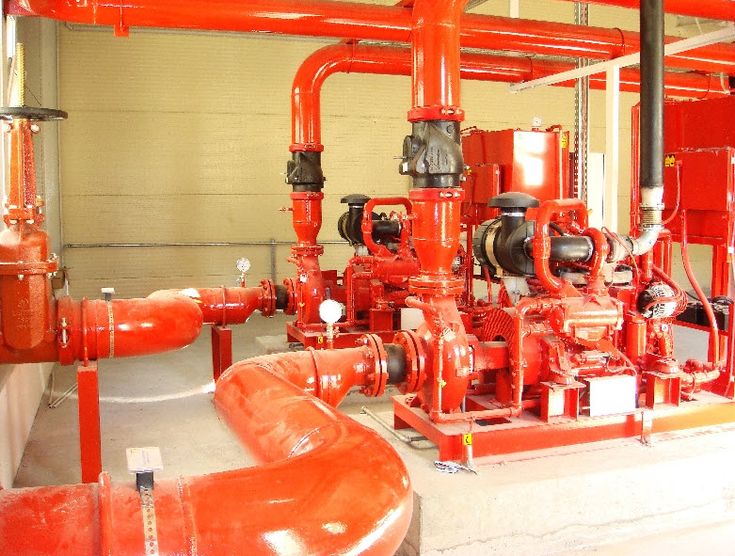
Your system’s control panels and pumps are its brain and heart. Check for error codes, test manual overrides, and confirm that backup power sources are functional. Pumps should be running efficiently and responding correctly during system tests.
9. Documentation and Compliance Review
Audit logs, maintenance records, and safety certificates matter. Ensure all inspections, repairs, and upgrades are properly documented. This audit helps you stay compliant with Kenya’s fire safety regulations and provides evidence that you’ve done your due diligence.
10. Staff Training Audit
Even the best fire fighting system is only as good as the people operating it. Review staff training programs, refresh fire safety lessons, and ensure everyone knows how to use extinguishers, alarms, and emergency procedures. A well-trained team can prevent small incidents from escalating.
11. External Professional Inspection
Finally, schedule an independent audit by certified fire safety professionals. They provide a fresh perspective, identify overlooked issues, and suggest improvements. Many insurance policies also require periodic professional inspections, which can save you from penalties or claim issues later.
Conclusion
Regular audits aren’t just about ticking regulatory boxes—they’re about keeping people safe, protecting property, and avoiding catastrophic downtime. By implementing these 11 safety audits, your fire fighting system in Kenya will remain reliable and efficient when it matters most.
Here’s the thing: fire emergencies are unpredictable, but preparation doesn’t have to be. Take action today, schedule these audits, and ensure your team and premises are truly protected. Safety isn’t optional—it’s essential.
FAQs
Q: How often should a fire fighting system be audited in Kenya?
A: Most experts recommend monthly visual checks, quarterly operational tests, and annual professional inspections.
Q: Can I conduct these audits myself?
A: Some audits, like visual inspections, can be done in-house. Others, especially technical system evaluations, should be handled by certified professionals.
Q: Are these audits legally required?
A: Kenyan regulations require businesses to maintain fire safety equipment, but even if not strictly mandated, these audits are crucial for safety and insurance purposes.
Neha