
Septic tank pumping in Darien, GA is the one maintenance job folks keep putting off until it’s too late. Here’s why staying on top of it saves your yard, your plumbing, and a whole lot of money down the road.
Look, if you live anywhere around Darien, chances are you’re on septic. Not city sewer. That tank buried somewhere in your yard is doing its job every day and you don’t even think about it, which honestly is how it should be… until it isn’t. I’ve been out on calls where the homeowner had no clue they even had a septic system, let alone when it was last serviced. That’s usually how the bad stories start.
Why Septic Systems Here Need More Attention Than People Think
Darien’s ground isn’t like the ground forty minutes inland. We’ve got sandy soil and the water table sits high, especially the closer you get to the marsh. That’s just facts. And when the soil’s already holding water, your drain field can’t do its job the way it’s supposed to, so the tank fills up faster than it would somewhere drier. I tell people all the time, don’t go by what some national website says about pumping every 3-5 years. That number wasn’t written with Darien dirt in mind.
Then you throw in how much rain we get, and summers that just sit heavy and wet for weeks, and yeah, your system’s working harder than it would in, say, north Georgia. It’s not the end of the world, it just means you gotta plan for it. The guys who ignore this and go by some generic schedule are usually the ones calling me when they panic on a Sunday because their toilet won’t flush.
What’s Actually Happening When Someone Pumps Your Tank
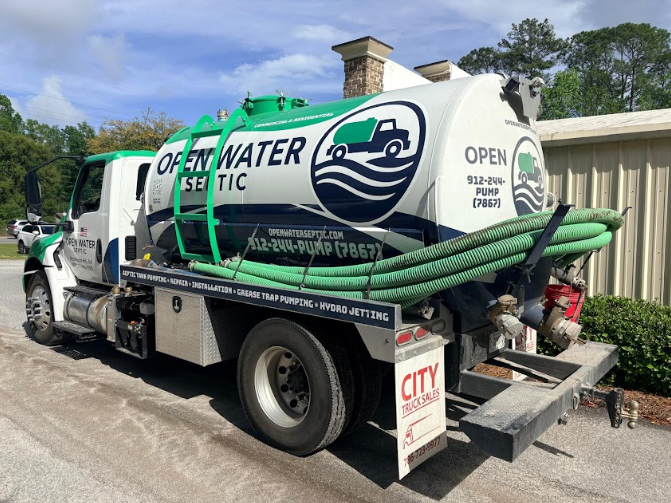
People think pumping is just sticking a hose in and sucking everything out. Kind of, but not really. First you gotta find the tank, and on older properties that’s half the job right there, especially if nobody installed a riser. Once we’re in, it’s pulling the sludge off the bottom and the scum layer off the top, the stuff that just never breaks down on its own no matter how long it sits.
And honestly the pumping part is almost the easy part. A good tech is also eyeballing the baffles, checking for cracks in the tank walls, seeing if anything looks off before it becomes a real problem. That’s the part cheap outfits skip. They pump, they leave, they don’t tell you a thing. You want somebody who’s actually looking, not just emptying and running to the next job.
Signs You’re Waiting Too Long
Slow drains. That’s usually number one and people blame everything but the tank. They’ll say it’s the pipes, maybe hair in the drain, whatever. Toilets gurgling when you flush, sinks draining slowly even right after you snaked ’em, wet spots in the yard that just never dry out near where the tank sits — all of that is your system waving a flag at you.
Smell’s the other big one, and it’s hard to miss once it starts. If you catch sewage smell near the tank, or worse, inside near a drain, don’t wait on that. I’ve had folks tell me they smelled something off for three weeks and just kept the windows open hoping it’d pass. It doesn’t pass. It gets worse, and usually by the time they call, it costs more than it would’ve two weeks earlier.
So How Often Should You Really Be Pumping
Everybody quotes the three-to-five-year rule like it’s gospel, and sure, it’s a decent starting point, but it’s not the whole story. How many people live in the house matters a ton. A house with five people running showers and laundry and dishes all day is filling that tank way faster than a couple living alone. Tank size plays into it too, smaller tank, shorter window, simple as that.
Garbage disposals are the sneaky ones nobody thinks about. Running food scraps through the disposal regularly adds way more solid waste to your tank than most people realize, and it’ll shrink your pumping window without you noticing. Given what the soil’s like around here, I usually tell people two to three years is a safer bet than stretching it out to five. Better to check it a little early than find out the hard way.
What It Actually Costs You When You Skip It
This is where people mess up, honestly. They skip pumping to save three, four hundred bucks, and then six months later solids have pushed into the drain field, and now we’re not talking about simple pumping anymore. We’re talking drain field repair, sometimes a full replacement. That’s not a few hundred dollars. That’s thousands, easy.
Regular pumping is cheap compared to that. It’s like skipping oil changes on your truck, right, the engine runs fine for a while, you think you’re getting away with something, and then one day it’s not fine anymore and the repair bill makes every oil change you skipped look like pocket change. Septic’s the same deal. Pay a little now or pay a lot later, your choice.
How to Tell If a Septic Company Actually Knows What They’re Doing
Not everybody with a truck and a hose and a Facebook page knows what they’re doing out here. You want somebody licensed, insured, and who’s actually worked coastal Georgia soil before. A company that mostly works inland might not even think about the water table issue we deal with, because it’s just not something they run into as much.
Ask them stuff before you hire them. When was the tank last pumped, do they even know, will they check the baffles and the tank’s overall shape while they’re there or just pump and bounce. A company that’s straight with you, even when it’s good news and there’s nothing wrong, that’s worth more than whoever quoted you the cheapest price over the phone.
Taking Care of Your Drain Field for the Long Haul
Your drain field is the expensive part to fix, so everything you do with pumping is really about protecting that field. Pumping on schedule is the biggest piece, since it keeps solids from ever reaching the field to begin with. But it’s not the only thing.
Pay attention to what’s going down your drains too. Grease, wipes — and yeah, even the ones that say “flushable” on the package, don’t believe that for a second — and harsh chemical cleaners all mess with the bacteria that’s supposed to be breaking everything down naturally in your tank. And keep trucks, trailers, anything heavy off the ground above your drain field. Compacted dirt doesn’t drain right, and that’s a problem you’re creating for yourself.
How the Local Environment Shapes What Your System Needs
Being this close to the marsh and the rivers means the groundwater around here moves with the seasons. Wet months, the ground’s holding more water, and that slows everything your drain field’s trying to do. This is part of why I always say, hire someone who actually knows this area, not just someone who knows septic systems in general.
A tech who’s worked Darien and the surrounding coastal area for years is gonna notice things somebody from out of town just won’t catch. Which neighborhoods flood easier, which soil types drain bad, how storm season messes with things. That local knowledge is worth more than a textbook answer about pumping every five years, because out here, that answer’s usually wrong.
Building a Routine That You’ll Actually Stick To
The best thing you can do is pick a schedule and just stick with it instead of waiting for trouble to force your hand. Set a reminder on your phone, write it on the calendar, whatever gets it done. Treat it like you’d treat getting your AC serviced or your roof checked. Systems that get looked at regularly just last longer, plain and simple, than ones that only get attention when something’s already broken.
And keep some kind of record. When it was last pumped, what the tech said about the tank’s condition, any repairs you’ve had done. Makes every future call easier and faster. Also matters if you ever go to sell the house, buyers ask about this more than people expect, and having an answer ready makes you look like you actually took care of the place.
Conclusion
Taking care of your septic system isn’t fun and it’s not something anybody brags about at a cookout, but staying ahead of it with regular septic tank pumping will save you money and save you from dealing with a yard disaster on a weekend you really didn’t plan for. Darien’s soil and water situation makes this more important than it might be somewhere else, so don’t push your schedule further than it should go. Find somebody local you trust, get on a routine, and let your system keep doing its thing quietly, which is really all you want from it anyway.
FAQs
How much does septic tank pumping cost in Darien, GA?
Depends on tank size and how long it’s been sitting, but most folks here are looking at a few hundred bucks for a routine pump. If it’s been years, or the tank’s hard to get to, expect that number to go up some.
How do I find out where my septic tank even is?
Check your county’s septic permit records if there’s no riser visible, or just call someone out to probe for it. Plenty of older homes have tanks buried under flower beds or grass that’s grown over everything since it was installed.
Can I just pump the tank myself?
Not really, no, and I wouldn’t recommend trying. There’s hazardous gas involved and it’s not something to mess with without the right equipment, plus most areas require a licensed company handle disposal anyway.
What actually happens if I never pump it?
Eventually it fills up and solids start pushing into your drain field, which leads to clogs, backups, and in bad cases a drain field that’s gotta be fully replaced. That’s a repair bill nobody wants.
Does the rainy season mess with septic pumping schedules around here?
Yeah, it does. Heavy rain and that high water table slows your drain field down more than usual, which is part of why a lot of Darien homeowners end up pumping more often than what you’d read in some general guide online.
ASM PICK