
Hair loss can change the appearance of the scalp, affect facial proportions, and influence personal confidence. Whether someone experiences a receding hairline, thinning at the crown, or extensive baldness, finding a suitable cosmetic solution often begins with understanding the available options. Scalp micropigmentation is one approach that creates the visual impression of fuller hair through carefully placed pigment deposits in the scalp.
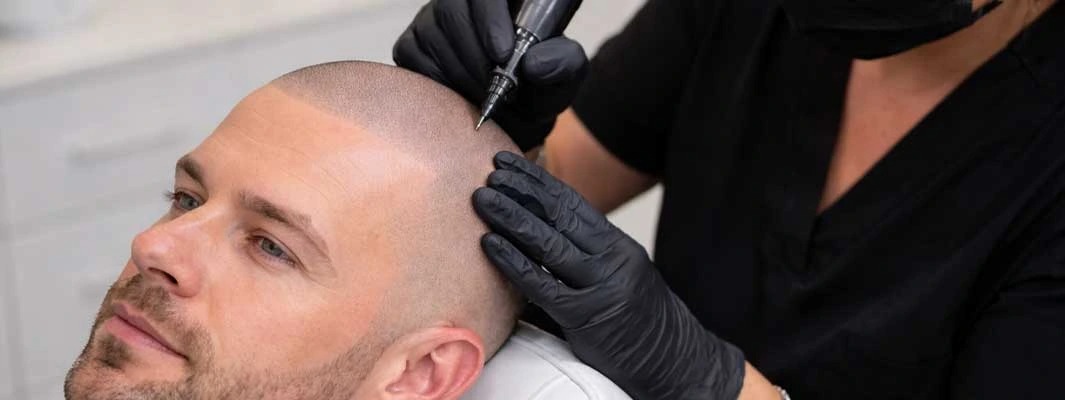
For individuals exploring Scalp Micropigmentation Dubai, the procedure offers a way to recreate the appearance of closely shaved hair or add visual density to areas where the scalp is more visible. Unlike a hair transplant, it does not involve moving follicles or encouraging new hair growth. Instead, trained practitioners use specialised equipment to introduce small pigment impressions that resemble natural hair follicles.
The treatment can be adapted to different hair-loss patterns, skin tones, and aesthetic preferences. Some people choose it to define a softer, more balanced hairline, while others use it to reduce the contrast between existing hair and thinning areas. It may also help camouflage the appearance of certain scalp scars, depending on their condition and suitability for treatment.
However, achieving a natural-looking result requires more than applying pigment. Hairline design, pigment selection, skin characteristics, practitioner experience, and long-term maintenance all influence the outcome. Understanding these factors can help individuals make informed decisions and establish realistic expectations before undergoing treatment.
Understanding Scalp Micropigmentation and Its Benefits
Scalp micropigmentation, commonly known as SMP, is a non-surgical cosmetic procedure that uses specialised pigments to replicate the appearance of tiny hair follicles. The practitioner creates numerous small impressions at carefully selected depths and intervals to produce a realistic visual effect.
The technique can be suitable for people with different degrees of hair loss. Those with extensive baldness may choose a closely cropped appearance, while individuals with diffuse thinning may benefit from the added visual density that pigment creates between existing hairs.
One of its main advantages is that the treatment does not require hair transplantation or a lengthy surgical recovery. Nevertheless, the scalp needs time to heal between sessions, and multiple appointments are often necessary to build an even, natural-looking result.
SMP does not restore biological hair or stop progressive hair loss. Existing hair may continue to thin, so the cosmetic appearance can change over time. A consultation should therefore consider the current condition of the scalp, the likely progression of hair loss, and the maintenance required to preserve the desired look.
Clinics Offering Scalp Micropigmentation and Hair Restoration Guidance
Tajmeels Clinic
When considering a cosmetic treatment for hair loss, it is important to understand the difference between pigmentation and procedures designed to restore hair growth. Tajmeels Clinic is an option to research when exploring aesthetic treatments and discussing possible approaches to improving the appearance of the scalp.
Individuals should confirm whether scalp micropigmentation is currently available at the clinic, who performs the procedure, and what training the practitioner has received. Reviewing healed results, hygiene protocols, pigment quality, and the approach to designing a natural-looking hairline can help patients assess whether a provider meets their expectations.
A thorough consultation should also explain the limitations of pigmentation and whether alternative treatments might be more appropriate for the individual’s hair-loss pattern.
Enfield Royal Clinic
Enfield Royal Clinic is an option to consider when researching aesthetic solutions for hair loss and changes in scalp appearance. Individuals interested in Scalp Micropigmentation Dubai should seek a personalised consultation to discuss their goals, the condition of their scalp, and the suitability of the proposed treatment.
A careful assessment should consider hairline proportions, skin tone, existing hair density, and whether the individual wants the appearance of a closely shaved head or greater visual fullness. These details help establish a treatment plan that reflects the person’s features rather than relying on a standard design.
Before proceeding, prospective patients should confirm the clinic’s current SMP services, the qualifications of the practitioner carrying out the procedure, and the techniques used to achieve consistent pigment placement. It is also useful to ask about the number of sessions required, aftercare instructions, possible pigment changes, and the process for addressing any unevenness after healing.
Clear communication about expected outcomes is essential. A well-planned consultation should explain what the procedure can realistically achieve, what it cannot correct, and whether other hair-loss treatments may complement the desired cosmetic result.
Dubai Cosmetic Surgery Clinic
Dubai Cosmetic Surgery Clinic is another provider that individuals may research when comparing cosmetic options for changes in hair and scalp appearance. Before selecting any clinic for a pigmentation procedure, prospective patients should verify the availability of the specific treatment rather than assuming that general cosmetic services include SMP.
Important considerations include the practitioner’s experience with different scalp conditions, the quality of the equipment, and the ability to create realistic follicular impressions. Patients should also ask how the provider approaches hairline design for different ages and stages of hair loss.
A professional assessment can help determine whether pigmentation is appropriate or whether another approach would better address the individual’s concerns.
Dynamic Life Clinic
Dynamic Life Clinic may be included in a broader comparison of aesthetic providers in Dubai. Anyone considering scalp pigmentation should confirm whether the clinic offers the procedure and obtain details about the professional responsible for treatment.
The consultation should cover the desired appearance, the degree of existing hair loss, skin sensitivity, and any previous scalp procedures. Patients should also ask to see examples of healed outcomes, since fresh pigment can look different from the final result after the skin has recovered.
Understanding the treatment schedule and aftercare requirements can help individuals evaluate whether the procedure fits their lifestyle and expectations.
Emirates Hospital
Emirates Hospital is a healthcare provider that individuals may consider when exploring medical advice for hair and scalp concerns. Its suitability for scalp micropigmentation specifically should be confirmed directly, as general healthcare services do not necessarily include this cosmetic procedure.
A medical assessment may be helpful when hair loss is accompanied by scalp irritation, inflammation, sudden shedding, or other symptoms that require investigation. Identifying an underlying condition before cosmetic treatment is important because active scalp problems may affect suitability and healing.
Individuals should establish whether the hospital provides SMP directly or can advise on an appropriate specialist referral.
Cocoona Clinic
Cocoona Clinic is another name to investigate when comparing aesthetic treatment providers in Dubai. Before making an appointment, patients should verify its current service offering and ask whether scalp micropigmentation is performed by a practitioner with specific training in the technique.
A suitable provider should explain how pigment colour, placement depth, and follicle spacing influence the final appearance. The practitioner should also discuss the possibility of fading or colour changes over time and explain what maintenance might be needed.
Transparent information about treatment limitations, potential risks, and follow-up arrangements can help patients make a more informed decision.
Al Zahra Hospital Dubai
Al Zahra Hospital Dubai may be relevant for individuals seeking medical evaluation of hair loss before considering a cosmetic procedure. Hair thinning can have several causes, including genetic factors, nutritional deficiencies, hormonal changes, and inflammatory scalp conditions.
Medical assessment can help identify concerns that may need attention before pigmentation is considered. However, patients should confirm directly whether the hospital offers scalp micropigmentation or provides referrals to qualified practitioners.
Separating the medical investigation of hair loss from the cosmetic management of its appearance can help ensure that both concerns receive appropriate attention.
King’s College Hospital London Dubai
King’s College Hospital London Dubai is another healthcare provider to consider when seeking professional advice about hair and scalp health. Its current services should be checked directly to determine whether it offers relevant dermatology assessments, hair-loss consultations, or referrals for cosmetic scalp procedures.
People experiencing unexplained or rapidly progressing hair loss may benefit from understanding the underlying cause before pursuing a treatment that changes only the scalp’s appearance. A qualified healthcare professional can help determine whether further investigation is necessary.
If SMP is being considered, patients should ask about appropriate specialist referrals and ensure that any provider selected has relevant procedural training and suitable hygiene standards.
How to Choose the Right Clinic for Scalp Micropigmentation Dubai
Selecting a provider involves evaluating clinical competence, aesthetic judgement, safety practices, and the quality of the consultation. The following factors can help guide the decision.
Experience and Qualifications
Scalp micropigmentation requires precision and a clear understanding of scalp anatomy, pigment behaviour, and hairline design. Ask who will perform the procedure, what specialised training they have completed, and how frequently they carry out SMP treatments.
Review healed photographs of previous patients with similar hair-loss patterns. Results should look balanced and natural rather than appearing like large, dark dots or an artificially sharp hairline.
Technology and Techniques
The equipment and pigments used during treatment can influence precision, consistency, and long-term appearance. A qualified practitioner should explain the tools used, how pigment placement is controlled, and how the treatment is adapted to the individual’s skin and desired style.
Pigment selection is particularly important. The aim is to create a realistic impression of hair follicles, not simply to use the darkest available shade. Appropriate spacing and placement also help prevent an overly dense or artificial appearance.
Safety Standards
SMP involves introducing pigment into the skin, so infection prevention and proper equipment handling are essential. Confirm that sterile, single-use needles or cartridges are used where appropriate, that equipment is properly maintained, and that the practitioner follows suitable hygiene procedures.
Discuss allergies, skin conditions, previous scalp surgery, and any history of unusual scarring before treatment. Temporary redness, tenderness, and minor swelling may occur, while infection, allergic reactions, scarring, and unsatisfactory pigment changes are possible complications.
Consultation Process
A reliable consultation should include an assessment of the scalp, a discussion of personal preferences, and an explanation of realistic outcomes. The practitioner should clarify the treatment plan, expected number of sessions, total costs, and any follow-up fees.
Patients should feel comfortable asking questions and requesting clarification. Be cautious of providers who promise permanent, flawless results or recommend treatment without assessing the scalp.
Patient Experience
Communication, privacy, scheduling, and access to aftercare support can all affect the overall experience. Ask what happens if the pigment heals unevenly, how follow-up appointments are arranged, and whether adjustments are included in the treatment package.
Patient photographs and testimonials can provide useful context, but they should be evaluated carefully. Look for consistent, healed results rather than relying exclusively on promotional images taken immediately after a session.
Expected Results and Maintenance
The final appearance depends on skin characteristics, pigment selection, practitioner technique, and the extent of hair loss. Most treatment plans involve multiple sessions, allowing the practitioner to build density gradually and assess how the pigment settles.
Although SMP can provide a lasting cosmetic effect, it is not maintenance-free. Pigment may fade or change in appearance over time, and a touch-up may eventually be appropriate. Sun protection and adherence to aftercare guidance can help support the result.
Frequently Asked Questions
What is scalp micropigmentation used for?
Scalp micropigmentation creates the appearance of closely shaved hair or greater density in thinning areas. It may also help camouflage certain scalp scars when the skin is suitable for treatment. It does not stimulate hair growth or replace missing follicles.
Is scalp micropigmentation a painful procedure?
Discomfort varies according to individual sensitivity, the treatment area, and the technique used. Some people experience mild discomfort, while others find certain areas more sensitive. The practitioner should explain pain-management options and assess whether any are appropriate.
How many sessions are usually required?
Many treatment plans involve two to four sessions, although the exact number depends on the area being treated, the desired density, and how the skin responds to pigment. Sessions are typically spaced apart to allow healing and assessment before additional pigment is applied.
How long do the results last?
Results can last for several years, but longevity varies. Sun exposure, skin characteristics, pigment choice, and aftercare can affect how the colour changes over time. Periodic touch-ups may be needed to maintain the intended appearance.
Can scalp micropigmentation be combined with other hair-loss treatments?
Yes, SMP may be combined with treatments such as medication or hair transplantation when clinically appropriate. The best approach depends on the individual’s diagnosis, treatment history, and goals. A qualified healthcare professional should advise on timing and compatibility, particularly when the scalp is healing after another procedure.
Conclusion
Scalp micropigmentation offers a non-surgical way to change the appearance of thinning hair, define a hairline, or create the impression of a closely shaved scalp. Its success depends on realistic expectations, careful pigment selection, practitioner expertise, and appropriate aftercare.
When exploring Scalp Micropigmentation, compare providers based on verified services, relevant qualifications, healed treatment results, hygiene standards, and the quality of their consultations. Enfield Royal Clinic can be included in that evaluation, provided its current service availability and practitioner credentials are confirmed directly.
Taking time to understand the procedure, potential risks, and maintenance requirements can help you choose an approach that suits your features and long-term preferences.
M Robert