
Tooth discolouration is usually caused by food and drinks, tobacco use, ageing, plaque buildup, certain medicines, or changes within the tooth itself. Professional whitening can help reduce many types of stains, but the right treatment depends on why the teeth have changed colour in the first place.
For people considering teeth whitening in Bandra, the first step should be a dental assessment rather than choosing a whitening product based only on its advertised results. A dentist can check whether the discolouration is on the surface or within the tooth and whether there are cavities, gum problems, enamel wear, or existing dental restorations that need attention.
Why Do Teeth Become Discoloured?
Teeth do not naturally remain the same shade throughout life. Their colour can gradually change because of everyday habits as well as normal ageing.
Some common causes include:
Coffee, Tea and Dark-Coloured Foods
Regular consumption of coffee and tea can leave stains on the outer enamel. Red wine, cola, certain sauces, berries, and other strongly coloured foods can also contribute to surface staining when consumed frequently.
This does not mean these foods need to be completely removed from your diet. Good oral hygiene and rinsing the mouth with water after consuming staining drinks can help reduce their effect.
Smoking and Tobacco
Smoking and tobacco are major causes of yellow or brown tooth stains. Tobacco particles can adhere to the tooth surface and become harder to remove over time.
Professional cleaning may remove some surface deposits, while whitening may be considered when deeper colour changes remain.
Poor Oral Hygiene
Plaque can accumulate when brushing and flossing are inconsistent. Over time, plaque can make teeth look dull or yellow and may contribute to tartar formation.
Whitening is not a replacement for dental cleaning. If plaque or tartar is present, cleaning may need to come before cosmetic whitening.
Ageing
As people age, enamel naturally becomes thinner. The layer underneath, called dentin, has a naturally yellowish colour. As more dentin becomes visible through thinner enamel, teeth can appear darker even when oral hygiene is good.
This type of colour change may not respond in the same way as simple surface staining.
Certain Medicines and Excessive Fluoride Exposure
Some medications can cause tooth discolouration, particularly when teeth develop during childhood. Excessive fluoride exposure during tooth development can also result in visible changes such as white or brown patches.
These cases need individual assessment because conventional whitening may not produce the desired result.
Tooth Injury or Internal Discolouration
A tooth that has suffered trauma may gradually become grey or darker than the surrounding teeth. Discolouration can also occur after certain dental treatments.
In these situations, ordinary whitening may not be enough. The dentist may suggest another cosmetic or restorative option depending on the condition of the tooth.
Surface Stains and Deep Stains Are Different
One of the most important points to understand is that not every stain is the same.
Surface stains are generally linked to coffee, tea, tobacco, food, and plaque. These may respond well to professional cleaning and whitening.
Deep or internal discolouration is different. It can be associated with ageing, trauma, medication, fluorosis, or changes inside the tooth. A dentist needs to identify the cause before deciding which treatment is appropriate.
This distinction also explains why an over the counter whitening product may work well for one person but produce little visible change for another.
How Professional Teeth Whitening Can Help
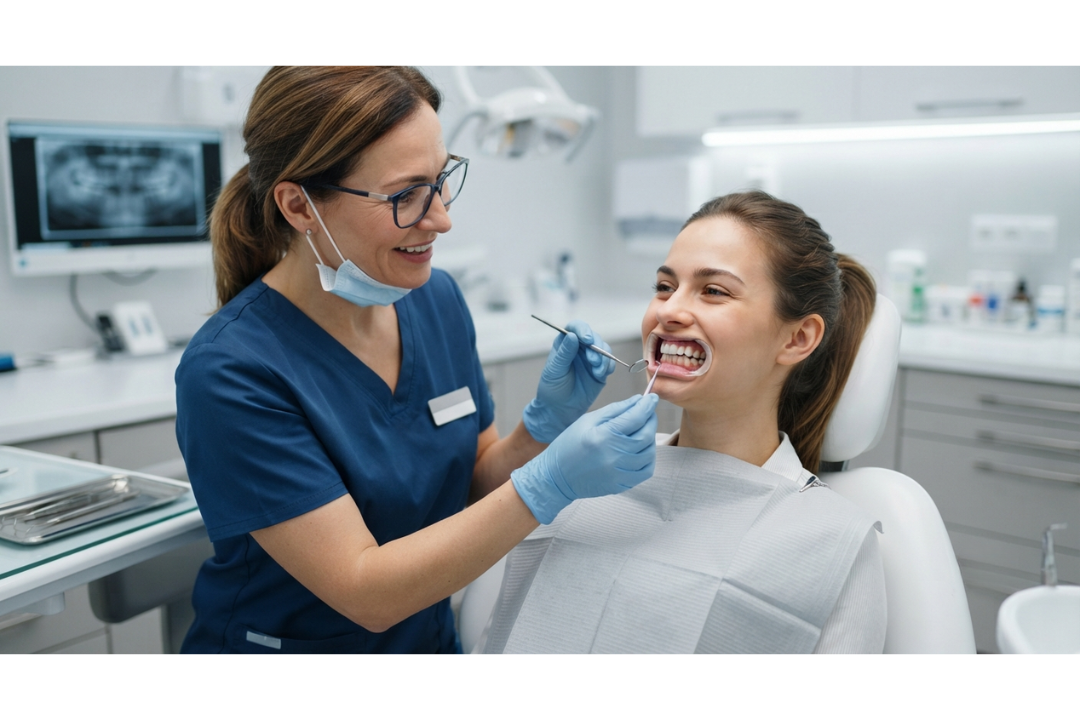
Professional teeth whitening in Bandra typically begins with an examination of the teeth and gums. If the mouth is healthy and whitening is appropriate, the dentist can recommend a suitable approach based on the existing shade, type of staining, sensitivity, and desired result.
A typical professional process may involve:
- Examining the teeth and gums.
- Checking for cavities, gum problems, enamel concerns, or other conditions.
- Cleaning the teeth to remove plaque and surface deposits when required.
- Applying a dentist approved whitening gel containing an active whitening agent such as hydrogen peroxide or carbamide peroxide.
- Using light or laser activation in treatment systems where it is part of the chosen method.
- Assessing the shade after treatment and providing aftercare instructions.
The number of sessions varies from person to person. Some people may notice a visible change after one appointment, while others may require additional treatment depending on the level and type of discolouration.
What About Tooth Sensitivity?
Temporary sensitivity is one of the more common concerns associated with whitening.
Some people may notice sensitivity to cold foods or drinks after treatment. This usually settles within a short period. The risk and severity can depend on existing sensitivity, enamel condition, the whitening method, and the concentration of the whitening agent.
People who already have sensitive teeth should mention this before treatment. A dentist can then decide whether whitening is suitable and how it should be carried out.
Is Whitening Suitable for Everyone?
Not necessarily.
A dental examination is particularly important if you have:
- Untreated cavities
- Gum disease
- Significant enamel wear
- Severe tooth sensitivity
- Cracked or damaged teeth
- Extensive dental restorations
Whitening agents work on natural tooth structure. Crowns, veneers, fillings, and some other restorations do not whiten in the same way as natural teeth. If visible restorations are present on the front teeth, whitening may create a colour difference between the natural teeth and the restoration.
This is one reason professional planning matters before cosmetic treatment.
Choosing a Dental Clinic in Bandra
When comparing options for teeth whitening in Bandra, patients should look beyond treatment advertisements and ask practical questions.
Consider whether the clinic:
- Performs a dental examination before whitening
- Explains the cause of the discolouration
- Discusses possible sensitivity
- Uses professional whitening materials
- Explains expected results realistically
- Provides aftercare instructions
Aakaar Dentistry in Bandra West provides professional whitening treatments along with other cosmetic and general dental services. Its team includes Dr. Ankita Gehi, who has more than 12 years of experience, and Dr. Dhananjay Hemmady, who has more than 20 years of experience. The clinic also offers different whitening approaches depending on the patient’s needs.
For patients looking for teeth whitening in Bandra, this type of consultation based approach can be useful because treatment is selected after looking at the condition of the teeth rather than simply choosing a standard whitening package.
How to Maintain a Whiter Smile
Whitening does not permanently prevent new stains. Daily habits have a direct effect on how long the results remain noticeable.
After treatment, patients can help maintain their results by:
- Brushing twice a day with a suitable toothpaste
- Flossing regularly
- Drinking water after coffee, tea, or strongly coloured foods
- Keeping tobacco use out of their routine
- Having professional dental cleaning at recommended intervals
- Following the dentist’s post treatment instructions
The clinic advises limiting coffee, tea, red wine, and dark coloured foods for around 48 to 72 hours after whitening. Regular oral hygiene and adequate water intake can also help reduce new staining.
Conclusion
Tooth discolouration can have many causes, and whitening is not always the first or only solution. Surface stains from coffee, tea, tobacco, food, and plaque may respond well to cleaning and professional whitening, while internal discolouration may require a different cosmetic or restorative approach.
The most sensible way to approach teeth whitening in Bandra is to first identify why the teeth have changed colour. A dental examination can help determine whether whitening is appropriate, what type of treatment may work, and how to maintain the result afterwards.
For anyone considering cosmetic dental treatment, realistic expectations matter. A brighter smile should be achieved without ignoring cavities, gum health, enamel condition, or existing restorations.
FAQs
Q.1 Is teeth whitening safe?
Professional whitening is generally considered safe when performed after a dental assessment and with appropriate whitening materials. Temporary sensitivity can occur in some patients.
Q.2 How long do teeth whitening results last?
Results can vary according to diet, oral hygiene, smoking or tobacco use, and individual staining patterns. The target clinic states that results can typically last around 6 months to 2 years.
Q.3 Does teeth whitening hurt?
Most patients tolerate professional whitening well. Some may experience temporary tooth sensitivity, which generally settles within 24 to 48 hours.
Q.4 Can coffee and tea make teeth yellow?
Yes. Frequent coffee and tea consumption can contribute to surface staining. Rinsing with water and maintaining regular oral hygiene can help reduce staining.
Q.5 How often can professional teeth whitening be done?
The appropriate interval depends on the patient’s teeth, sensitivity, staining, and treatment method. The target clinic recommends considering whitening approximately every 6 to 12 months based on individual needs.
Q.6 Can whitening remove stains caused by smoking?
Professional whitening can reduce many tobacco related stains, particularly surface staining. However, continued smoking can cause new discolouration and may shorten the visible effect of treatment.
Rita Sharma