
Preparing properly for Glucose Drip at Home in Dubai can help make the treatment process more organized and comfortable when intravenous glucose has been medically recommended. A Doctor at Home can assess your symptoms, review your medical history, consider your medications, and determine whether glucose IV therapy is appropriate before treatment begins. Since a glucose drip is a medical procedure rather than a routine wellness service, patients should provide accurate health information, prepare a suitable space, and understand what to expect during and after the infusion. Good preparation also helps healthcare professionals identify potential concerns before the IV is started.
Why Is Preparation Important?:
Preparation helps ensure that the healthcare professional has the information and environment needed to provide appropriate care. IV glucose enters the bloodstream directly, so the treatment should be based on the patient’s medical needs, symptoms, and overall condition. Preparing in advance can make it easier to discuss medical history, medications, allergies, blood glucose readings, and recent illnesses. It can also help reduce delays during the visit. Most importantly, preparation should never involve self-diagnosing or deciding that a glucose drip is necessary without professional assessment.
What Medical Information Should You Prepare?:
Before the healthcare professional arrives, gather relevant medical information that may affect the decision to administer glucose IV therapy. A complete medical history can help identify conditions that require additional precautions or make home treatment unsuitable. Important information may include:
- Existing medical conditions.
- Previous hospitalizations or significant illnesses.
- Diabetes or other blood glucose disorders.
- Kidney or heart conditions.
- Pregnancy when relevant.
- Known allergies.
- Previous reactions or complications involving IV treatment.
- Recent illnesses, vomiting, or diarrhea.
Having this information ready allows the healthcare professional to make a more informed assessment.
Should You Prepare Your Medication List?:
Yes, keeping an up-to-date medication list available is an important part of preparing for a home IV visit. Include prescription medications, over-the-counter products, and relevant supplements. Some medicines can affect blood glucose, blood pressure, kidney function, or fluid balance, which may influence the suitability of IV glucose. Diabetes medications are particularly important because they can affect glucose levels. Patients should not stop, skip, or alter prescribed medications simply because they are receiving an IV unless specifically instructed by an appropriate healthcare professional.
Should You Check Your Blood Glucose?:
If you have diabetes or regularly monitor your blood glucose, keep recent readings available for discussion with the healthcare professional. Blood glucose information may help determine whether glucose-containing IV therapy is appropriate. However, patients should not independently decide to receive a glucose drip based on a single reading. The healthcare professional can interpret glucose results alongside symptoms, medication use, medical history, and other relevant factors. If you do not normally monitor blood glucose, do not attempt to diagnose a glucose problem solely because you feel tired, weak, dizzy, or unwell.
What Symptoms Should You Report?:
Prepare to describe your symptoms clearly and honestly. Tell the healthcare professional when they started, how severe they are, whether they are improving or worsening, and whether other symptoms are present. This information may help determine the cause of your condition and whether IV therapy is appropriate. Relevant symptoms may include:
- Fatigue or unusual weakness.
- Dizziness or lightheadedness.
- Nausea or vomiting.
- Headaches.
- Excessive thirst.
- Reduced food or fluid intake.
- Diarrhea or significant fluid loss.
- Changes in urination.
- Symptoms associated with abnormal blood glucose.
If your symptoms become severe or change significantly before the scheduled visit, seek appropriate medical advice rather than assuming the planned home infusion remains suitable.
Should You Eat Before a Glucose Drip?:
Whether you should eat before an IV glucose treatment depends on your individual medical situation and the reason for treatment. Patients should follow the specific instructions provided by their healthcare professional rather than assuming that eating or fasting is always necessary. If you have diabetes, food intake can be particularly relevant to blood glucose management and medication use. Tell the clinician when you last ate and whether you have experienced reduced appetite, difficulty eating, nausea, or vomiting. Do not deliberately skip meals simply because you are expecting to receive glucose through an IV.
How Much Fluid Should You Drink Before Treatment?:
Patients should discuss their recent fluid intake with the healthcare professional rather than deliberately drinking excessive amounts of water before an IV. If you have been experiencing vomiting, diarrhea, heavy sweating, or reduced fluid intake, provide that information during the assessment. Your hydration status can help determine whether IV fluids are appropriate and what type of treatment may be needed. People with certain kidney or heart conditions may have specific fluid-management requirements, making it particularly important not to make major changes to fluid intake without appropriate medical advice.
How Should You Prepare the Treatment Area?:
Creating a clean and comfortable area can help the healthcare professional perform the IV procedure efficiently. Choose a space with good lighting, a comfortable chair or bed, and enough room for the professional to work. Keep pets or unnecessary distractions away from the treatment area when possible. A clean surface can provide an appropriate place for equipment to be organized. Patients do not need to create a clinical environment at home, but providing a tidy, well-lit area can support safe and organized treatment.
What Should You Wear?:
Wear comfortable clothing that allows easy access to the arm or another appropriate IV site. Loose sleeves that can be moved above the elbow or wrist can make the procedure easier. Avoid clothing that is difficult to adjust around the area where the healthcare professional may need to insert the catheter. Comfort is also important because patients may remain seated or resting for the duration of the infusion. If you have previously had difficulty with IV access, mention this to the healthcare professional so they can take it into consideration.
What Should You Keep Nearby During the Infusion?:
Although the healthcare professional will bring the necessary medical equipment, having a few personal items nearby can make the treatment more comfortable. Consider keeping:
- Your phone within reach.
- A bottle of water if appropriate for your medical condition.
- Any relevant medical documents.
- Your medication list.
- Recent blood glucose readings if applicable.
- A comfortable pillow or blanket.
- A safe place to sit or recline during treatment.
Patients should follow the healthcare professional’s instructions about eating, drinking, or taking medications during the infusion.
What Should You Expect During IV Insertion?:
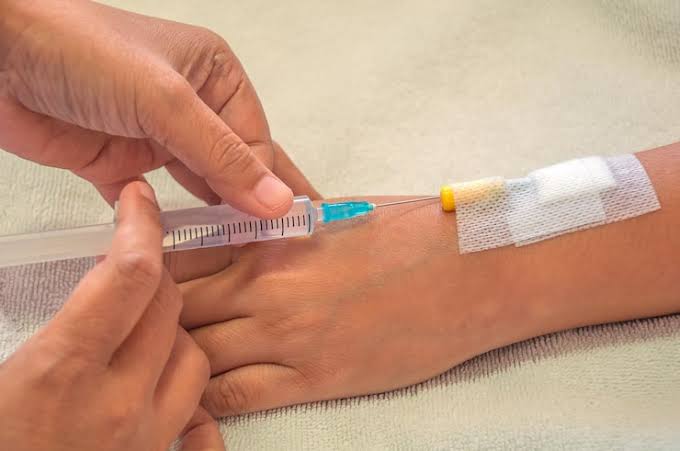
The healthcare professional will select an appropriate vein and insert an IV catheter using suitable clinical technique. You may experience brief discomfort during insertion, and minor bruising can sometimes occur. The catheter should be secured appropriately before the glucose-containing solution is administered. Tell the healthcare professional immediately if you experience significant pain, burning, swelling, or unusual discomfort around the insertion site. These symptoms may indicate that the IV needs to be assessed. Patients should never attempt to insert or adjust an IV catheter themselves.
What Should You Do During the Infusion?:
During the infusion, remain in a comfortable position and communicate openly with the healthcare professional. Avoid unnecessary movement of the arm containing the IV catheter. The professional may monitor your symptoms, vital signs, the IV site, or blood glucose when clinically appropriate. Report any unusual changes immediately rather than waiting until the infusion is complete. Symptoms such as dizziness, nausea, increasing IV-site pain, swelling, breathing difficulty, or chest discomfort should be communicated promptly so they can be assessed.
What Are the Warning Signs to Watch For?:
Although appropriately administered IV glucose may be tolerated well by suitable patients, complications can occur. Patients should know which symptoms require immediate attention. These can include:
- Significant swelling or pain around the IV site.
- Increasing redness or warmth.
- Severe dizziness or weakness.
- Difficulty breathing.
- Chest pain or discomfort.
- Fainting or loss of consciousness.
- Severe confusion.
- Seizures.
- Rapidly worsening symptoms.
Severe symptoms should not be dismissed as a normal part of an IV treatment and may require urgent medical evaluation.
What Should You Do After the Drip?:
After the prescribed infusion has been completed, the healthcare professional will generally remove the IV catheter and check the insertion site. Follow the aftercare instructions provided and monitor the area for increasing pain, redness, swelling, warmth, or discharge. If you experience significant or unexpected symptoms after treatment, seek appropriate medical advice. Patients should also understand that a glucose drip does not necessarily treat the underlying cause of fatigue, dehydration, or weakness. Follow-up may be necessary if symptoms continue or return.
Who Should Take Extra Precautions?:
Certain patients may require additional assessment before home glucose IV therapy is considered. People with diabetes, kidney disease, heart conditions, complex medication regimens, or previous IV complications may require individualized treatment planning. Additional factors can include:
- Abnormal blood glucose levels.
- Reduced kidney function.
- Conditions affecting fluid balance.
- Heart disease or fluid retention.
- Pregnancy-related medical considerations.
- Medication allergies.
- Recent serious illness.
- Symptoms requiring diagnostic evaluation.
These factors do not automatically mean that home treatment is unsuitable, but they make professional assessment especially important.
When Should You Cancel the Home Visit and Seek Urgent Care?:
A scheduled home IV appointment should not delay emergency medical treatment if your condition becomes significantly worse. Severe breathing difficulty, chest pain, fainting, seizures, loss of consciousness, severe confusion, or rapidly worsening symptoms may require immediate medical evaluation. Similarly, suspected severe blood glucose abnormalities may need diagnostic testing and closer monitoring than a routine home infusion can provide. If serious symptoms develop, contact appropriate emergency medical services rather than relying on a planned glucose drip.
What Questions Should You Ask Before Treatment?:
Patients should use the home visit as an opportunity to understand the proposed treatment. Ask why glucose is being recommended, what type and concentration of solution will be used, whether blood glucose monitoring is necessary, and how the infusion will be monitored. You can also ask about possible side effects, aftercare instructions, and what to do if symptoms develop afterward. Understanding the treatment plan can help reduce uncertainty and ensure that you are comfortable with the proposed care before the IV begins.
How Can You Make the Experience More Comfortable?:
Simple preparations can make a home IV visit more convenient. Wear comfortable clothing, choose a suitable resting area, keep important medical information accessible, and minimize unnecessary interruptions during the infusion. Avoid making major changes to your diet, fluid intake, or medications unless advised by a healthcare professional. Most importantly, communicate openly throughout the visit. If you feel uncomfortable or notice something unusual, tell the professional immediately rather than trying to tolerate the symptom silently.
Final Thoughts
Preparing for Glucose Drip at Home in Dubai involves more than simply arranging an appointment. Patients should prepare relevant medical information, medication lists, recent blood glucose readings when applicable, and a clean, comfortable space for treatment. They should also understand their symptoms, disclose important medical conditions and allergies, and follow professional guidance regarding food, fluids, and medications. A properly assessed and professionally administered glucose IV can be appropriate in specific medical circumstances, but preparation should always support—not replace—clinical judgment. If severe or rapidly worsening symptoms occur, urgent medical evaluation should take priority over a routine home infusion.
Doctorathome