
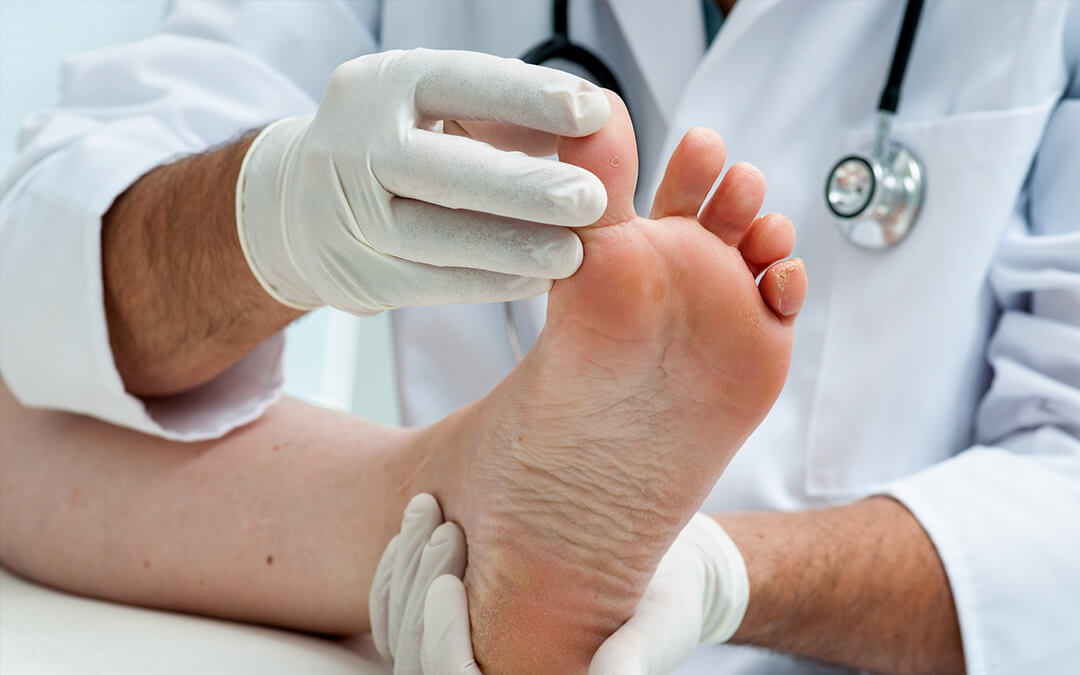
Regular foot monitoring is an essential part of diabetes management because small foot problems can sometimes develop into more serious complications when they are not identified early. Diabetic Foot Care At Home In Dubai can include daily inspections, proper hygiene, suitable footwear, and timely professional support when changes are noticed. A Doctor at Home can also provide guidance when a person or caregiver is concerned about a wound, swelling, discoloration, or other unusual foot symptoms. Making foot monitoring a consistent habit can help people recognize potential problems sooner and take appropriate action before they become more difficult to manage.
Why Regular Foot Monitoring Matters:
Diabetes can affect the nerves and blood vessels that supply the feet. Reduced sensation may make it difficult to notice cuts, blisters, burns, pressure, or other injuries, while circulation problems can interfere with normal healing. Regular monitoring provides an opportunity to identify these changes visually, even when there is little or no pain. Daily checks are particularly important for people who have diabetic neuropathy, previous foot ulcers, circulation concerns, or difficulty seeing or reaching their feet. Early recognition does not guarantee that complications will be prevented, but it can support faster professional assessment and appropriate management.
Check Your Feet Every Day:
A daily foot inspection should become a simple and consistent part of a diabetes-care routine. Examine both feet carefully, including the tops, bottoms, sides, heels, and areas between the toes. Good lighting can make subtle changes easier to identify, while a handheld mirror can help with areas that are difficult to see. If mobility or vision makes self-inspection challenging, a caregiver or trusted family member can assist. Avoid relying only on pain as a warning sign because diabetic neuropathy can reduce normal sensation.
During a daily inspection, look for:
- Cuts and scratches
- Blisters
- Redness or irritation
- Swelling
- Cracked or peeling skin
- Changes in skin color
- Unusual warmth or coldness
- Bruising or pressure marks
- Drainage or unpleasant odor
Identify Small Injuries Before They Worsen:
Minor injuries can become more problematic when they are repeatedly exposed to pressure, friction, moisture, or contamination. A small blister caused by footwear, for example, may become an open wound if the source of friction is not addressed. Monitoring allows individuals to identify these problems early and modify activities or footwear as appropriate. Any injury that appears to be worsening or failing to improve should receive professional attention rather than being ignored. People with diabetes should also avoid cutting or removing corns and calluses themselves with sharp instruments because accidental skin damage can create additional problems.
Monitor Skin Condition and Moisture:
Healthy skin provides an important protective barrier against injury and infection. Diabetes and environmental factors can contribute to dry, cracked, or irritated skin. During daily monitoring, pay attention to the heels, soles, and areas exposed to friction. Feet should generally be washed gently with lukewarm water and dried thoroughly, particularly between the toes. Appropriate moisturizer can help with dry skin, but excessive moisture between the toes should be avoided. Persistent peeling, cracking, itching, or irritation should be discussed with a healthcare professional.
Watch for Changes in Foot Color:
Changes in skin color can provide useful clues about a developing foot problem. Unusual redness may occur around an irritated or infected area, while pale, bluish, or significantly darkened skin may warrant assessment for circulation or tissue concerns. A sudden or persistent change should not be dismissed simply because it does not hurt. Compare both feet during daily inspections and take note of differences in appearance. If discoloration is accompanied by swelling, coldness, pain, a wound, or other concerning symptoms, seek professional medical advice promptly.
Pay Attention to Swelling and Temperature:
Changes in swelling or foot temperature can also be important. New or unexplained swelling may result from several conditions and should be evaluated when it persists or occurs alongside other symptoms. Similarly, a foot that feels unusually warm compared with the other foot may require assessment, particularly when redness or a wound is also present. Conversely, an unusually cold foot may indicate a circulation concern. Regular monitoring helps individuals notice these differences rather than discovering them only after a more obvious complication develops.
Check Your Footwear Regularly:
Footwear can either protect the feet or contribute to injury. Shoes that are too tight, too loose, worn out, or poorly designed can create pressure and friction. During regular monitoring, check the feet for marks that correspond to particular areas inside the shoes. Inspect the inside of footwear for stones, rough edges, damaged lining, or other objects that could cause injury. Comfortable shoes should provide adequate room for the toes and should not leave painful pressure marks.
Useful footwear checks include:
- Confirming adequate toe room
- Checking for worn cushioning
- Looking for rough seams
- Removing debris from inside shoes
- Replacing damaged footwear
- Wearing comfortable, properly fitted socks
Monitor Existing Wounds Closely:
If a person already has a foot wound, regular monitoring becomes particularly important. Observe the wound according to the instructions provided by the healthcare professional and follow the recommended dressing and care routine. Look for changes in size, appearance, drainage, surrounding redness, swelling, or warmth. Do not repeatedly touch the wound unnecessarily or apply unapproved creams and household remedies. If the wound appears to deteriorate, seek professional assessment promptly. Monitoring should support the prescribed treatment plan rather than replace professional wound care.
Recognize Signs of Infection:
Regular monitoring can help identify possible infections at an earlier stage. Increasing redness, swelling, warmth, tenderness, drainage, pus, or an unpleasant odor can be warning signs. People with diabetic neuropathy may not experience significant pain even when an infection is developing, which makes visual inspection especially important. Fever or feeling generally unwell alongside a foot wound can also require prompt medical attention. If an infection is suspected, avoid delaying care while attempting to treat the problem solely at home.
Potential warning signs include:
- Increasing redness
- New or worsening swelling
- Increased warmth
- Pus or drainage
- Unpleasant odor
- Worsening wound appearance
- Fever or feeling unwell
- Rapid changes in the affected area
Monitor Sensation Changes:
Regularly paying attention to how your feet feel can help identify changes associated with nerve problems. New numbness, tingling, burning, reduced sensitivity, or unusual sensations should be discussed with a healthcare professional. Reduced sensation can increase the likelihood of unnoticed injuries because pressure, heat, or sharp objects may not produce the expected warning signals. If sensation changes significantly, additional precautions regarding footwear, activity, and daily inspections may be appropriate.
Keep Track of Recurring Problems:
Monitoring is more useful when changes are documented consistently. Individuals or caregivers can record when a blister, area of redness, swelling, or wound first appears and whether it improves or worsens. Photographs may sometimes help track visible changes, but they should not replace professional assessment. A simple record can also provide useful information during healthcare appointments. Patterns such as recurring pressure spots may indicate that footwear, walking habits, or another factor needs to be addressed.
Know When Professional Help Is Needed:
Home monitoring is designed to identify potential problems, not to diagnose or treat serious complications independently. Professional assessment is appropriate when a wound does not improve, redness spreads, swelling increases, drainage develops, or the foot undergoes significant changes in color or temperature. Deep wounds, severe burns, suspected infections, significant discoloration, or rapidly worsening symptoms require prompt medical attention. People with diabetes should generally err on the side of seeking professional advice when they are uncertain about a new foot problem.
Seek professional help for:
- Non-healing wounds
- Rapidly increasing redness or swelling
- Signs of infection
- Significant discoloration
- Severe burns
- Deep cuts or wounds
- New or substantial loss of sensation
- Persistent or worsening foot problems
Combine Monitoring With Preventive Foot Care:
Regular monitoring works best as part of a broader foot-care routine. Keep feet clean and dry, moisturize dry areas appropriately, avoid walking barefoot, wear suitable footwear, and follow the diabetes management plan recommended by your healthcare professional. Maintaining appropriate blood glucose management, staying physically active when medically suitable, and attending recommended foot assessments can also support overall health. Monitoring provides the early-warning component of this approach, allowing potential concerns to be identified before they progress.
Make Foot Monitoring a Daily Habit:
The most effective monitoring routine is one that is simple enough to maintain every day. Choose a consistent time, such as after bathing or before putting on footwear, and make the inspection part of your normal schedule. Caregivers can assist individuals who have difficulty seeing or reaching their feet. Keeping a mirror and appropriate foot-care supplies nearby can make the process easier. Consistency matters because diabetic foot problems may develop gradually and may not always cause noticeable discomfort.
Final Thoughts:
Regular foot monitoring can play an important role in reducing the risk of serious diabetic foot complications by helping individuals identify changes at an earlier stage. Daily inspections can reveal cuts, blisters, redness, swelling, discoloration, skin cracks, pressure marks, and possible signs of infection that might otherwise go unnoticed. However, monitoring should never be viewed as a substitute for professional medical care. Any concerning or worsening change deserves appropriate evaluation, particularly when sensation or circulation is affected. By combining consistent Diabetic Foot Care At Home In Dubai with suitable footwear, good hygiene, diabetes management, and timely professional support, individuals can take a proactive approach to protecting their feet and maintaining mobility.
Doctorathome