
For people considering Blood Test At Home in Dubai, home sample collection can make routine laboratory testing more convenient, especially for busy professionals, families, older adults, and people who prefer to avoid unnecessary travel and waiting-room time. A Doctor at Home service may also complement laboratory testing when professional medical guidance is needed. Although the process is generally straightforward, a little preparation can make the appointment smoother and more comfortable. From confirming test requirements and preparing your space to following fasting instructions and understanding how results are delivered, taking a few simple steps can help you get the most from your home blood testing experience.
Confirm Which Blood Tests You Need:
Before scheduling an appointment, confirm exactly which blood tests have been requested or recommended. Blood tests can serve different purposes, including routine monitoring, investigating symptoms, checking treatment response, or assessing specific health markers. Not every test is suitable for every patient, and some investigations may require specialized collection or handling procedures. If a healthcare professional has provided a laboratory request, keep it available when booking. Avoid choosing a large testing package simply because it appears comprehensive. The most useful tests are those that are relevant to your individual healthcare needs.
Check Preparation Requirements in Advance:
Preparation can vary significantly between blood tests. Some investigations may require fasting, while others do not. Certain tests may also have specific timing or medication instructions. Before your appointment, ask the provider or your healthcare professional about any requirements. Your preparation checklist may include:
- Confirming whether fasting is required
- Checking how long you should fast
- Asking whether plain water is allowed
- Understanding medication instructions
- Checking whether exercise restrictions apply
- Confirming the recommended collection time
Never assume that fasting is necessary for every blood test. Follow the instructions specifically provided for your requested investigations.
Stay Hydrated When Appropriate:
Unless your healthcare professional has given you different instructions, maintaining appropriate hydration can make some blood draws easier. Patients who are dehydrated may sometimes have veins that are more difficult to access. However, hydration requirements can vary according to individual medical circumstances and specific tests. If your test requires fasting, confirm whether drinking plain water is permitted. Avoid changing your normal fluid intake dramatically unless you have been specifically advised to do so. Patients with medical conditions involving fluid restrictions should follow their healthcare professional’s guidance rather than general preparation advice.
Choose a Comfortable Collection Area:
Preparing your home environment can make the appointment more efficient. Choose a clean, well-lit area where the healthcare professional has enough space to organize the required equipment and perform the blood draw safely. A comfortable chair with good arm support can be helpful. Try to avoid crowded, cluttered, or poorly lit spaces. If several family members are being tested, organize the appointment area in advance and keep each person’s documents and test requests clearly separated. A prepared environment can reduce delays and help everyone feel more comfortable.
Wear Appropriate Clothing:
What you wear can make the collection process easier. Choose clothing that allows convenient access to your upper arm without requiring extensive adjustment. Loose sleeves or garments that can be comfortably rolled above the elbow are generally practical. Avoid clothing that makes it difficult to access the collection area. This small consideration can save time and prevent unnecessary discomfort during the appointment. If you are arranging testing for a child or older adult, consider their comfort and ability to keep the arm accessible during collection.
Inform the Professional About Previous Blood Draw Experiences:
If you have previously experienced fainting, dizziness, anxiety, difficult veins, or other challenges during blood collection, tell the healthcare professional before the procedure begins. This information allows the professional to take appropriate precautions and make the experience as comfortable as possible. Some patients find it helpful to remain seated or reclined during collection if they have a history of feeling faint. Do not feel embarrassed about discussing previous difficulties. Clear communication helps the collection professional understand your needs and respond appropriately if you begin to feel uncomfortable.
Keep Important Information Ready:
Having relevant information available can make the appointment more organized. Depending on the testing service, you may need to provide identification, a laboratory request, previous test details, or other information. If your healthcare professional has requested specific investigations, keep the request accessible. You should also have an updated list of medications and supplements available if relevant. Useful information may include:
- Current medications
- Supplements or vitamins
- Relevant medical history
- Previous laboratory reports
- Healthcare provider’s test request
- Known allergies or previous reactions
Providing accurate information helps reduce confusion during the collection process.
Follow Medication Instructions Carefully:
Medication instructions should always come from your healthcare professional or laboratory guidance specific to your tests. Some patients may wonder whether they should skip medication before a blood test, but stopping or changing prescribed treatment without professional advice can be inappropriate. If you are unsure whether a medication should be taken before collection, ask in advance. Provide the collection professional with accurate information about your medications when relevant. This is particularly important when the timing of a medicine could affect a specific laboratory measurement.
Avoid Unnecessary Changes to Your Routine:
Patients sometimes try to dramatically change their diet, exercise routine, or other habits immediately before a blood test because they want the “best” possible results. This is generally not a good approach unless specific instructions have been provided. Follow the preparation guidance given for your particular investigation and otherwise maintain your normal routine. If you have recently made a significant lifestyle change, experienced an illness, or completed unusually strenuous exercise, tell your healthcare professional if it may be relevant. Accurate testing should reflect appropriate conditions rather than artificial preparation.
Relax Before the Blood Draw:
Feeling nervous before a blood test is common. Taking a few minutes to settle down before the appointment can make the experience easier. Sit comfortably, breathe normally, and let the collection professional know if you are anxious about needles. Some people prefer to look away during the procedure, while others find it reassuring to understand each step. There is no single correct way to manage anxiety. The important thing is to communicate your preferences and avoid suddenly moving your arm during collection. If you feel dizzy or unwell, tell the professional immediately.
Understand What Happens During Collection:
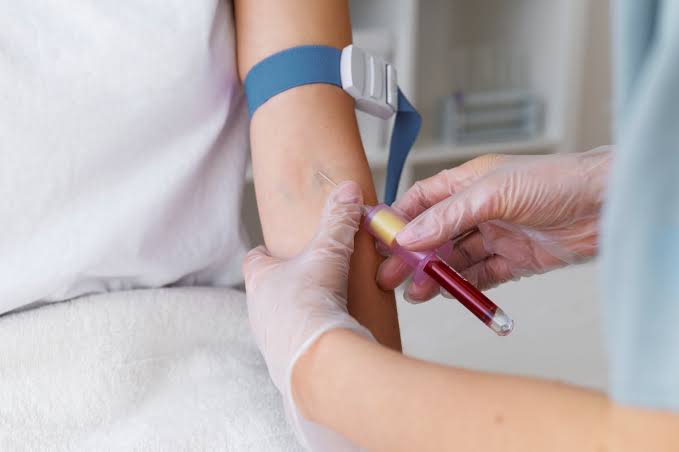
Knowing what to expect can reduce uncertainty. The healthcare professional will typically verify your identity and requested tests before preparing the equipment. The collection area is cleaned, and a sterile needle is used to draw the required blood sample. You may experience a brief pinch or mild pressure. Once sufficient blood has been collected, the needle is removed and the sample tubes are labelled appropriately. Used equipment should be disposed of safely. The procedure is generally brief, but patients should allow enough time for professional collection rather than expecting the process to be rushed.
Make Sure Your Sample Is Properly Identified:
Accurate sample identification is essential. Before the specimen leaves your home, the appropriate information should be associated with your sample and requested investigations. This is particularly important when multiple people are tested during the same appointment. Patients can help by providing accurate personal information and keeping individual test requests separate. If anything appears unclear about which tests have been requested, ask the collection professional before the sample is sent to the laboratory. Clear identification helps reduce the risk of administrative errors.
Ask How Your Sample Will Be Transported:
After collection, the sample needs to reach the appropriate laboratory for analysis. Different tests can have different handling and transportation requirements, so providers should have established procedures. You do not need to manage transportation yourself, but understanding the process can help you evaluate the service. Consider asking:
- Which laboratory will process the sample?
- How is the specimen transported?
- Are special storage conditions required?
- When is the sample expected to reach the laboratory?
- What happens if the specimen cannot be processed?
A professional provider should be able to explain its general sample-handling process.
Confirm How and When You Will Receive Results:
Before your appointment, ask how laboratory results will be delivered and what turnaround time you should expect. Depending on the provider, results may be available through a secure online portal, email, or another approved reporting method. Routine tests may have different turnaround times from specialized investigations. If you need the results for a scheduled consultation, tell the provider so you can plan appropriately. Electronic reporting can be convenient, but patients should use secure methods to access and share sensitive medical information.
Keep Your Previous Results Organized:
If you have regular blood tests, keeping previous reports can make future consultations more useful. Your healthcare professional may want to compare current measurements with previous results to identify trends or changes. Store reports securely and make relevant records available during follow-up appointments. Remember that laboratory results can vary because of differences in testing methods, laboratories, timing, and individual circumstances. A healthcare professional can determine whether a change is clinically meaningful rather than relying on numbers alone.
Do Not Interpret Results Without Context:
An easier testing experience also involves knowing what happens after the blood draw. Once your report arrives, avoid assuming that a single high or low value automatically means you have a particular condition. Reference ranges provide useful laboratory information but are not a complete diagnostic tool. Your healthcare professional may consider your symptoms, medical history, medications, previous results, and other investigations before reaching a conclusion. If a result is unexpected or concerning, discuss it with an appropriate healthcare professional rather than making treatment changes independently.
Choose a Reliable Home Testing Provider:
The provider you select can have a major impact on your overall experience. Look for a service that uses qualified sample collection professionals, follows appropriate hygiene and identification procedures, works with a suitable laboratory, and provides clear preparation and reporting information. Other useful considerations include:
- Appointment availability
- Professional qualifications
- Laboratory arrangements
- Sample transportation procedures
- Test availability
- Expected turnaround times
- Secure result delivery
- Transparent pricing
- Customer support
- Privacy practices
Convenience is valuable, but it should be supported by appropriate professional and laboratory standards.
Know When Home Testing Is Not Enough:
Home blood testing is designed for suitable laboratory investigations and should not be considered a replacement for all healthcare appointments. If you have severe, rapidly worsening, or potentially urgent symptoms, seek appropriate medical assessment rather than waiting for a routine home blood test. You may also need an in-person consultation if your healthcare needs involve a physical examination, imaging, treatment, or specialized diagnostic procedures. Home collection is most useful when it complements your healthcare plan rather than delaying necessary medical care.
Make Home Blood Testing Part of Your Routine:
For people who need recurring laboratory monitoring, creating a consistent process can make future appointments easier. Keep previous reports organized, note preparation requirements, and maintain an accurate list of medications. If your healthcare professional recommends testing at regular intervals, schedule appointments in advance where possible. A consistent approach can reduce last-minute preparation and make it easier to stay on track with recommended monitoring. Over time, home blood testing can become a straightforward part of a broader approach to preventive and ongoing healthcare.
Final Thoughts:
Making your at-home blood test experience easier starts with preparation. Confirm the requested tests, understand fasting and medication instructions, stay appropriately hydrated when permitted, prepare a comfortable collection area, and communicate openly with the healthcare professional. After collection, ensure you know how the sample will be handled and when to expect your results. Most importantly, remember that laboratory reports should be interpreted in the context of your overall health rather than viewed as standalone diagnoses. With a reliable provider and good preparation, home blood testing can offer a convenient, comfortable, and practical way to complete suitable routine health checks.
Doctorathome