
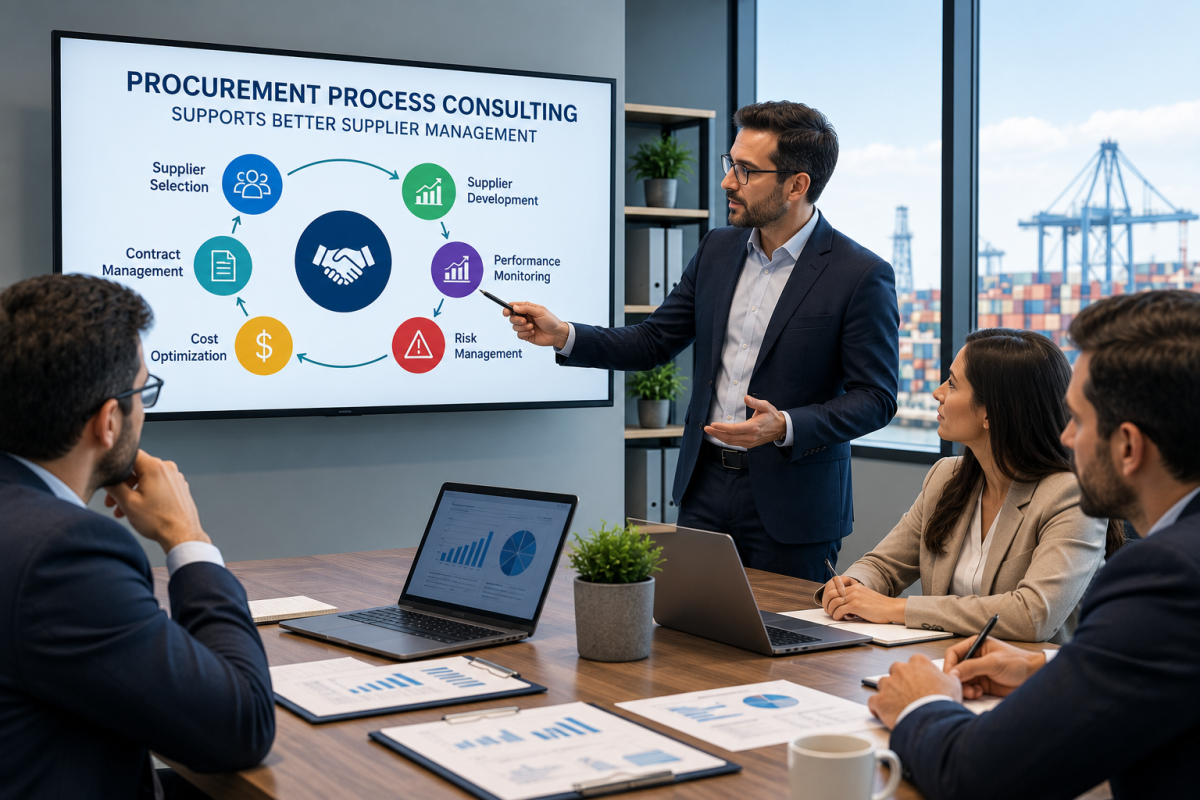
Supplier management is a key part of an effective procurement function. Reliable suppliers help organizations maintain consistent operations, meet project deadlines, and deliver quality products and services. However, managing supplier relationships becomes more challenging as businesses grow, expand their supply chains, or work with multiple vendors.
Without clear processes, organizations may experience inconsistent supplier performance, communication gaps, delayed deliveries, or procurement inefficiencies. This is where procurement process consulting provides valuable support. By reviewing procurement workflows and supplier management practices, consultants help businesses establish structured processes that improve supplier relationships and overall procurement performance.
This article explains how procurement process consulting supports better supplier management and why it is an important investment for modern organizations.
Understanding Procurement Process Consulting
Procurement process consulting focuses on evaluating and improving the procedures used to purchase goods and services.
Rather than concentrating on individual transactions, consultants assess the complete procurement process, including how suppliers are selected, managed, and evaluated.
Typical areas of review include:
- Procurement workflows
- Supplier onboarding
- Vendor evaluation
- Purchase approval procedures
- Contract administration
- Performance monitoring
- Procurement technology
- Reporting and documentation
The goal is to create procurement processes that are efficient, consistent, and easy to manage.
Why Supplier Management Matters
Suppliers influence nearly every stage of the procurement process. Their ability to deliver quality products on time affects project schedules, operational efficiency, and customer satisfaction.
Strong supplier management helps organizations:
- Improve product quality.
- Reduce procurement delays.
- Strengthen communication.
- Support consistent deliveries.
- Improve procurement planning.
- Build long-term business relationships.
Organizations that actively manage supplier performance are often better prepared to respond to changing business needs.
Establishing Clear Supplier Selection Criteria
Choosing suppliers based only on price can create challenges later in the procurement process.
Procurement process consulting helps organizations develop structured evaluation criteria that may include:
- Product quality
- Delivery performance
- Technical expertise
- Financial stability
- Industry experience
- Customer support
- Compliance with project requirements
Using consistent evaluation standards helps procurement teams make informed supplier selection decisions.
Practical Example
A construction company needs suppliers for structural materials, electrical equipment, and finishing products.
Instead of selecting vendors solely based on the lowest quotation, the procurement team evaluates each supplier’s delivery history, product quality, technical capability, and responsiveness.
This structured approach results in a more dependable supplier network that supports project schedules.
Improving Supplier Onboarding
The relationship with a supplier begins before the first purchase order.
Consultants often recommend standardized onboarding procedures that include:
- Supplier qualification.
- Document verification.
- Contract review.
- Performance expectations.
- Communication procedures.
A well-organized onboarding process establishes clear expectations from the beginning of the relationship.
Monitoring Supplier Performance
Supplier management should continue after contracts are signed.
Procurement process consulting helps organizations create performance measurement systems based on objective criteria.
Common performance indicators include:
| Performance Area | Why It Matters |
| Delivery reliability | Supports project schedules |
| Product quality | Reduces defects and rework |
| Response time | Improves communication |
| Contract compliance | Ensures agreed requirements are met |
| Order accuracy | Improves procurement efficiency |
Regular performance reviews allow organizations to identify trends and address issues before they affect operations.
Strengthening Communication
Clear communication is essential for productive supplier relationships.
Procurement consultants often recommend:
- Regular supplier meetings.
- Standard communication procedures.
- Clearly defined responsibilities.
- Prompt reporting of procurement issues.
- Shared delivery schedules.
Open communication improves coordination and helps resolve challenges more efficiently.
Supporting Better Contract Management
Contracts define the responsibilities of both buyers and suppliers.
Procurement process consulting helps organizations improve contract management by:
- Standardizing contract documentation.
- Monitoring contract compliance.
- Tracking renewal dates.
- Reviewing supplier obligations.
- Maintaining organized contract records.
Effective contract management reduces misunderstandings and supports stronger business relationships.
Using Technology to Improve Supplier Management
Digital procurement tools provide greater visibility into supplier performance and procurement activities.
Consultants may recommend solutions such as:
- Supplier management platforms.
- Electronic procurement systems.
- Digital approval workflows.
- Performance dashboards.
- Automated reporting tools.
Technology helps procurement teams monitor supplier performance more efficiently while reducing manual administrative work.
Encouraging Continuous Improvement
Supplier management should evolve as business needs change.
Procurement process consulting encourages organizations to:
- Review supplier performance regularly.
- Update evaluation criteria when necessary.
- Gather feedback from internal teams.
- Identify opportunities for process improvements.
- Strengthen collaboration with key suppliers.
Continuous improvement helps businesses maintain productive and reliable supplier relationships over time.
Best Practices for Better Supplier Management
Organizations can strengthen supplier relationships by following these practical recommendations:
- Develop clear supplier selection criteria.
- Standardize supplier onboarding procedures.
- Monitor supplier performance using measurable indicators.
- Maintain open communication with suppliers.
- Review contracts regularly.
- Use procurement technology to improve visibility.
- Conduct periodic procurement process reviews.
These practices help create a structured and consistent approach to supplier management.
Key Takeaway
Effective supplier management is built on clear processes, regular communication, and ongoing performance evaluation. Procurement process consulting helps organizations strengthen these areas by creating procurement systems that support informed decision-making and long-term supplier relationships.
When suppliers are managed through consistent and well-defined processes, procurement becomes more reliable, efficient, and adaptable.
Conclusion
Procurement process consulting supports better supplier management by improving supplier selection, streamlining onboarding, strengthening communication, monitoring performance, and enhancing contract management. These improvements help organizations build dependable supplier relationships while increasing procurement efficiency and reducing operational risks.
By regularly reviewing procurement processes and refining supplier management practices, businesses can create stronger supply chains that support long-term operational success
fosterapc