
Full Face Helmet: The Best Protection Choice for Motorcycle Riders
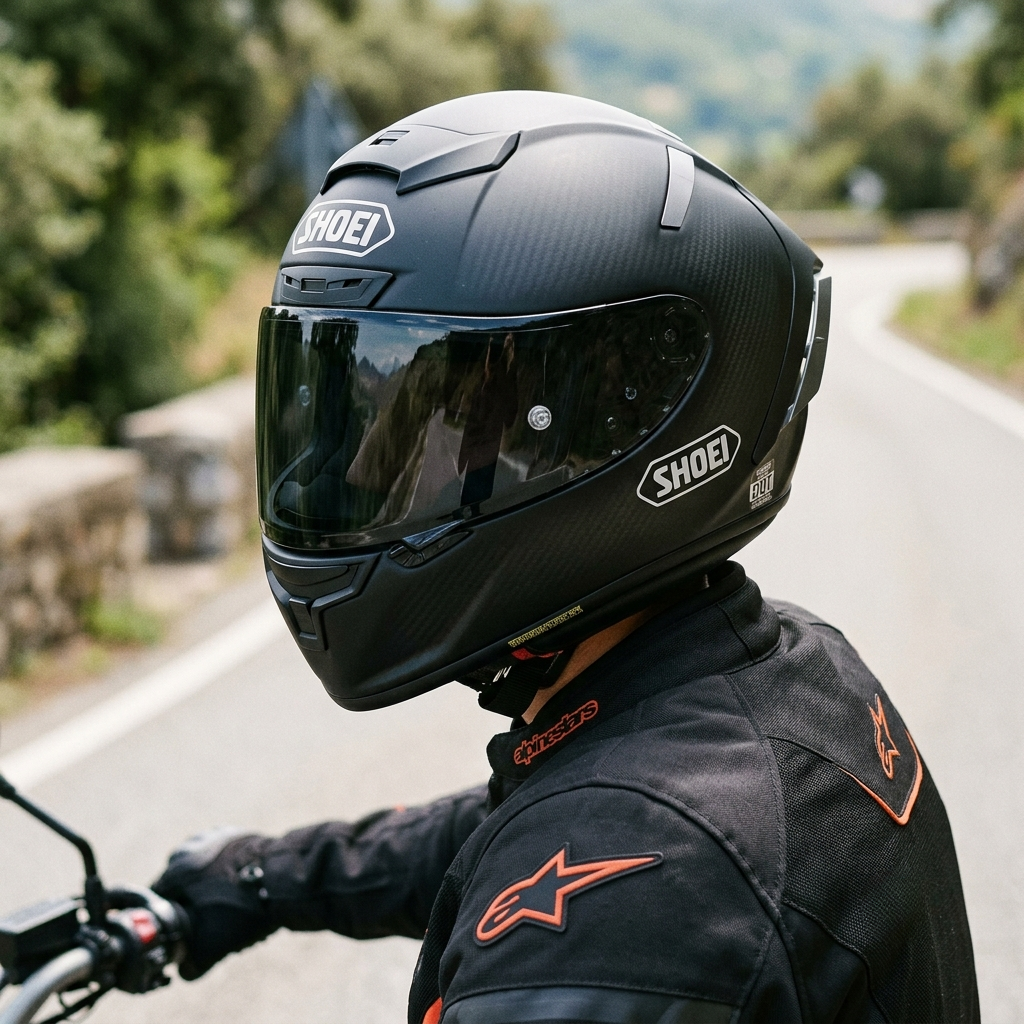
A full face helmet is a popular choice among motorcycle riders who want maximum protection, comfort, and confidence during every ride. Designed with complete head coverage, it protects the rider’s head, face, chin, and jaw area from impacts, wind, dust, and changing weather conditions.
Unlike open-face or half helmets, a full-face motorcycle helmet provides a stronger protective structure, making it suitable for commuters, touring riders, and motorcycle enthusiasts who prioritize safety.
Why a Full Face Helmet Is Important
Motorcycle riding comes with different risks, including road accidents, flying debris, harsh weather, and sudden obstacles. Wearing the right helmet reduces exposure to these dangers and provides an additional safety layer.
A quality full face helmet helps riders by:
- Protecting the entire head and face
- Reducing impact forces during accidents
- Blocking wind and road debris
- Improving comfort during long rides
- Reducing distractions caused by weather conditions
- Increasing rider confidence
For everyday riding and long-distance travel, full coverage protection offers significant advantages.
How a Full Face Helmet Provides Better Protection
The design of a full-face helmet focuses on covering more areas compared to traditional helmet styles.
It protects:
- Head and skull
- Forehead
- Cheeks
- Chin
- Jawline
- Face area
The extended chin bar is one of the key features that separates full-face helmets from other designs.
Essential Features of a High-Quality Full Face Helmet
Durable Outer Shell Construction
The outer shell is responsible for handling the initial force during an impact. Modern helmets use advanced materials that provide strength while keeping the helmet lightweight.
Common shell materials include:
- Carbon fiber
- Fiberglass composites
- Polycarbonate
- Advanced polymer blends
A strong shell improves durability and overall protection.
Impact Protection System
Inside the helmet, an impact-absorbing liner helps reduce the energy transferred during a crash.
Important safety components include:
- EPS foam layers
- Multi-density impact liners
- Shock absorption technology
These features help minimize the risk of serious head injuries.
Comfortable Interior Design
A helmet should not only be protective but also comfortable for extended use.
Premium full-face helmets often include:
- Removable cheek pads
- Moisture-control liners
- Breathable interior materials
- Adjustable padding
A comfortable helmet allows riders to focus better on the road.
Effective Ventilation System
Good airflow is important for maintaining comfort during rides.
A well-designed ventilation system includes:
- Front intake vents
- Chin vents
- Top vents
- Rear exhaust vents
Proper ventilation helps reduce heat buildup and prevents visor fogging.
Advanced Visor Technology
The visor protects the rider’s eyes and face from external elements.
Quality visor features include:
- Scratch-resistant coating
- UV protection
- Anti-fog technology
- Wide viewing angle
A clear visor improves visibility and riding safety.
Different Types of Full Face Helmets
Sport Full Face Helmets
Sport helmets are designed for riders who prefer performance-focused riding.
They usually feature:
- Aerodynamic shapes
- Lightweight construction
- Improved airflow
- Secure fit
These helmets are suitable for sportbike riders.
Touring Full Face Helmets
Touring helmets focus on comfort during longer journeys.
They commonly offer:
- Noise reduction
- Comfortable padding
- Better ventilation
- Long-distance support
They are ideal for riders who spend several hours on the road.
Racing Full Face Helmets
Racing helmets are designed for high-performance environments.
Features include:
- Lightweight materials
- Advanced aerodynamics
- High safety standards
- Professional-level protection
They are built for riders who need maximum performance.
Adventure Full Face Helmets
Adventure helmets are suitable for riders exploring different terrains.
They provide:
- Durable construction
- Strong ventilation
- Wide visibility
- Versatile performance
These helmets work well for both on-road and off-road riding.
How to Choose the Right Full Face Helmet
Check Safety Certifications
Safety certification is one of the most important factors when selecting a helmet.
Look for recognized standards such as:
- DOT certification
- ECE certification
- Snell certification
Certified helmets are tested to meet specific safety requirements.
Choose the Correct Size
A properly fitted helmet improves both protection and comfort.
The right fit should:
- Stay secure while moving
- Feel comfortable without pressure
- Keep the helmet stable
- Provide proper cheek support
A helmet that is too loose may reduce protection during an accident.
Consider Your Riding Needs
Different riding styles require different helmet features.
Daily commuters should look for lightweight and comfortable options.
Touring riders should prioritize comfort and noise reduction.
Sport riders may prefer aerodynamic and performance-focused helmets.
Adventure riders should choose durable and versatile designs.
Look for Additional Features
Modern helmets include useful features such as:
- Bluetooth communication compatibility
- Quick-release straps
- Removable liners
- Built-in sun visors
- Anti-fog inserts
These features improve convenience and riding comfort.
Benefits of Wearing a Full Face Helmet
Better Weather Protection
A full-face helmet protects riders from:
- Rain
- Cold wind
- Dust
- Insects
- Road particles
This makes riding more comfortable in different conditions.
Reduced Wind Noise
The enclosed design helps reduce wind turbulence and noise, especially during highway riding.
Improved Focus and Comfort
Less exposure to external distractions helps riders maintain better concentration.
Common Mistakes When Buying a Full Face Helmet
Selecting Based Only on Design
Appearance is important, but safety should always be the priority.
Ignoring Helmet Fit
The wrong size can reduce comfort and protection.
Choosing Low-Quality Materials
Cheap materials may not provide reliable impact protection.
Not Checking Safety Ratings
Always verify certification before purchasing a helmet.
Maintaining Your Full Face Helmet
Proper maintenance keeps your helmet effective and comfortable.
Follow these steps:
- Clean the visor regularly
- Wash removable padding
- Check for visible damage
- Avoid dropping the helmet
- Store it away from extreme temperatures
Regular care helps extend helmet life and performance.
Conclusion
A full face helmet is one of the safest and most reliable choices for motorcycle riders. With complete head coverage, strong impact protection, improved weather resistance, and comfortable designs, it provides the security needed for daily commuting, touring, and adventure riding.
Choosing a high-quality full-face motorcycle helmet ensures better protection, improved comfort, and greater confidence on every journey.
Tayyab Ullah Ansari