
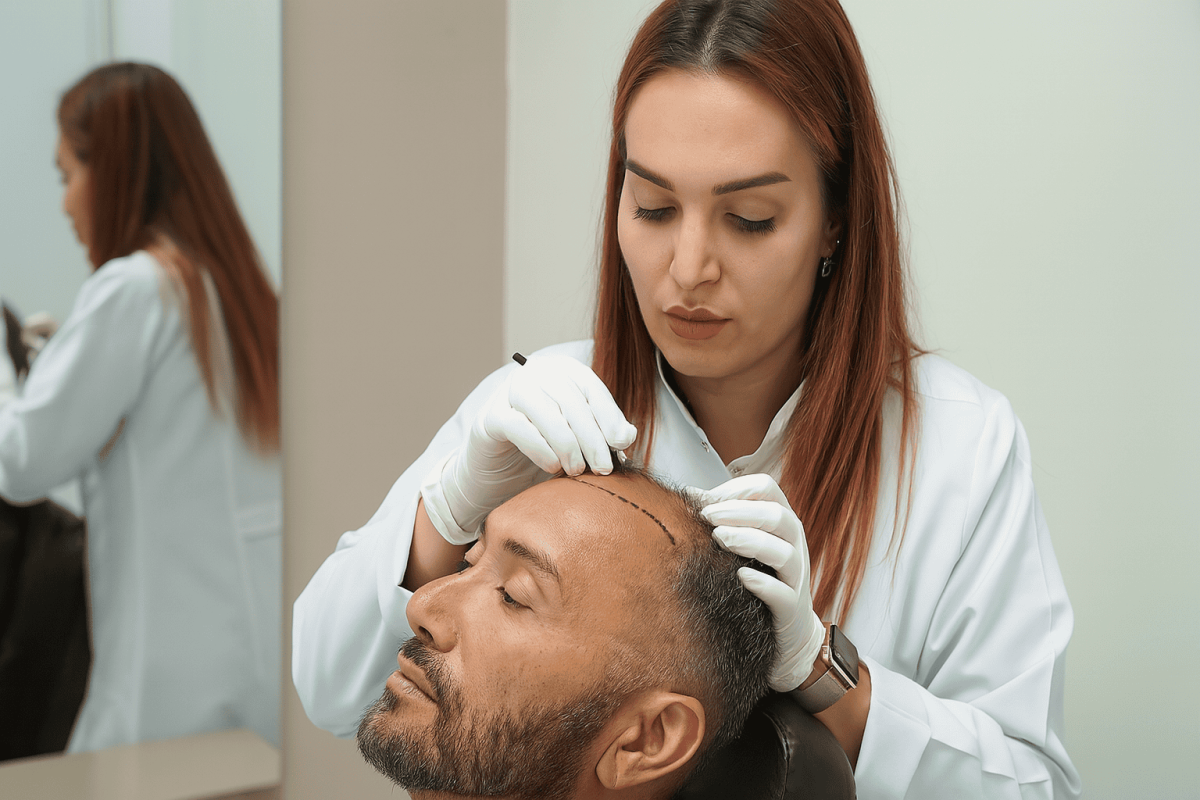
Understanding Hair Transplant cost in Islamabad is an important first step for anyone planning a procedure, but equally important is knowing what happens after the surgery and how hair actually grows over time. In Islamabad, modern hair transplant techniques deliver permanent results, but the growth process follows a natural timeline that takes several months to complete.
What Happens After Hair Transplant Surgery?
After the procedure, transplanted hair follicles enter a healing and adaptation phase. They are relocated from the donor area to bald or thinning regions, and they need time to settle into their new environment.
This process includes:
- Healing of scalp tissue
- Temporary shedding of transplanted hair
- Reactivation of hair growth cycle
- Gradual thickening of new hair
The journey requires patience but leads to long-lasting results.
First Week: Healing Phase Begins
In the first week after surgery, the scalp focuses on recovery.
Common experiences include:
- Mild redness or swelling
- Formation of small scabs around grafts
- Tightness or sensitivity in the scalp
During this stage, grafts are very delicate and require careful handling. Proper aftercare is essential for survival of transplanted follicles.
Week 2 to Week 4: Shedding Phase
This stage is often misunderstood by patients. Transplanted hair shafts begin to fall out, but this is completely normal.
Important points:
- Hair shedding is temporary
- Follicles remain inside the scalp
- No damage is occurring
This phase is part of the natural hair cycle reset process.
Month 2 to Month 3: Dormant Phase
After shedding, the scalp may appear similar to the pre-transplant condition.
During this time:
- No visible new growth
- Follicles are resting and adjusting
- Internal healing continues
Although nothing is visible, important biological activity is happening beneath the skin.
Month 3 to Month 4: Early Hair Growth
This is the first stage where new hair becomes visible.
At this point:
- Thin, fine hair begins to appear
- Growth is uneven and soft
- Density is still low
These early hairs gradually strengthen over time.
Month 4 to Month 6: Noticeable Improvement
By this stage, visible changes start becoming clear.
Patients observe:
- Increased hair coverage
- Thicker strands compared to early growth
- Improved hairline appearance
This phase marks the beginning of transformation.
Month 6 to Month 9: Significant Growth Phase
This is one of the most important stages in the timeline.
Improvements include:
- Noticeable increase in density
- Better coverage of bald areas
- Stronger and healthier hair texture
- More defined hairline
Most patients feel highly satisfied during this period.
Month 9 to Month 12: Final Results Stage
By the end of one year, full results are achieved.
At this stage:
- Hair looks completely natural
- Full density is visible
- Hairline is well-defined
- Transplanted hair behaves like normal hair
These results are permanent and long-lasting.
Factors That Affect Hair Growth Timeline
Not every patient experiences the same growth speed. Several factors influence results:
- Surgeon expertise
- Technique used (FUE, FUT, DHI)
- Donor hair quality
- Patient health condition
- Post-operative care routine
Proper care can significantly improve outcomes.
Why Hair Growth Takes Time
Hair transplant is a biological process, not an instant cosmetic change.
Time is required for:
- Grafts to stabilize
- Blood supply to develop
- Hair cycle to restart
- Natural growth to fully establish
This is why full results take up to 12 months.
Importance of Patience During Recovery
Patients often expect quick results, but patience is essential.
Early expectations should include:
- Temporary shedding
- Slow initial growth
- Gradual improvement over months
Understanding this reduces anxiety and improves satisfaction.
Tips to Support Healthy Hair Growth
Patients can improve results by following simple guidelines:
- Follow aftercare instructions strictly
- Avoid smoking and alcohol
- Eat a protein-rich diet
- Avoid scratching or touching grafts
- Attend follow-up visits
Healthy lifestyle choices support better growth.
Signs of Successful Hair Growth
Positive indicators include:
- Gradual thickening of hair
- Even distribution of new growth
- Reduced scalp visibility
- Steady improvement over time
These signs confirm proper healing.
Common Concerns During Growth Timeline
Many patients worry if results are not visible early on.
Common concerns include:
- No growth in first 2–3 months
- Temporary shedding phase
- Uneven early results
These are all normal stages of recovery.
FAQs
1. When does hair start growing after transplant?
New hair usually starts appearing around 3 to 4 months after the procedure.
2. When are final results visible?
Final results are typically seen within 9 to 12 months.
3. Is shedding normal after hair transplant?
Yes, shedding is a normal part of the hair growth cycle.
4. Can results vary from person to person?
Yes, growth depends on health, technique, and aftercare.
5. Does transplanted hair fall again?
No, transplanted hair is generally permanent.
Final Thoughts
The hair growth journey after transplantation is gradual but highly rewarding when completed. While understanding Hair Transplant cost in Islamabad helps in planning the procedure, knowing the timeline is equally important for setting realistic expectations. For advanced techniques, professional care, and reliable results, many patients trust SKN Cosmetics as a leading clinic for hair transplant in Islamabad.
Binish