
What Actually Makes a Shower Gel “Well Formulated”?
A well formulated shower gel does two things at once: it removes dirt, oil, and sweat without stripping the skin’s natural moisture barrier. That’s the core of it. Most people assume all shower gels are roughly the same, but the difference between a poorly made product and a thoughtfully created one shows up on your skin within days.
The formulation matters because skin is not just something to scrub clean. It has a pH level, a lipid barrier, and a microbiome that all need to stay balanced. A good shower gel respects all three.
The Role of Surfactants: Not All Cleansers Are Equal
Surfactants are the ingredients responsible for lathering and removing dirt. The problem is that harsh surfactants, like sodium lauryl sulfate (SLS), can strip skin oils aggressively. This leads to dryness, tightness, and irritation, especially for people with sensitive or dry skin.
Better formulations use milder surfactants such as:
- Sodium cocoyl isethionate
- Cocamidopropyl betaine
- Decyl glucoside
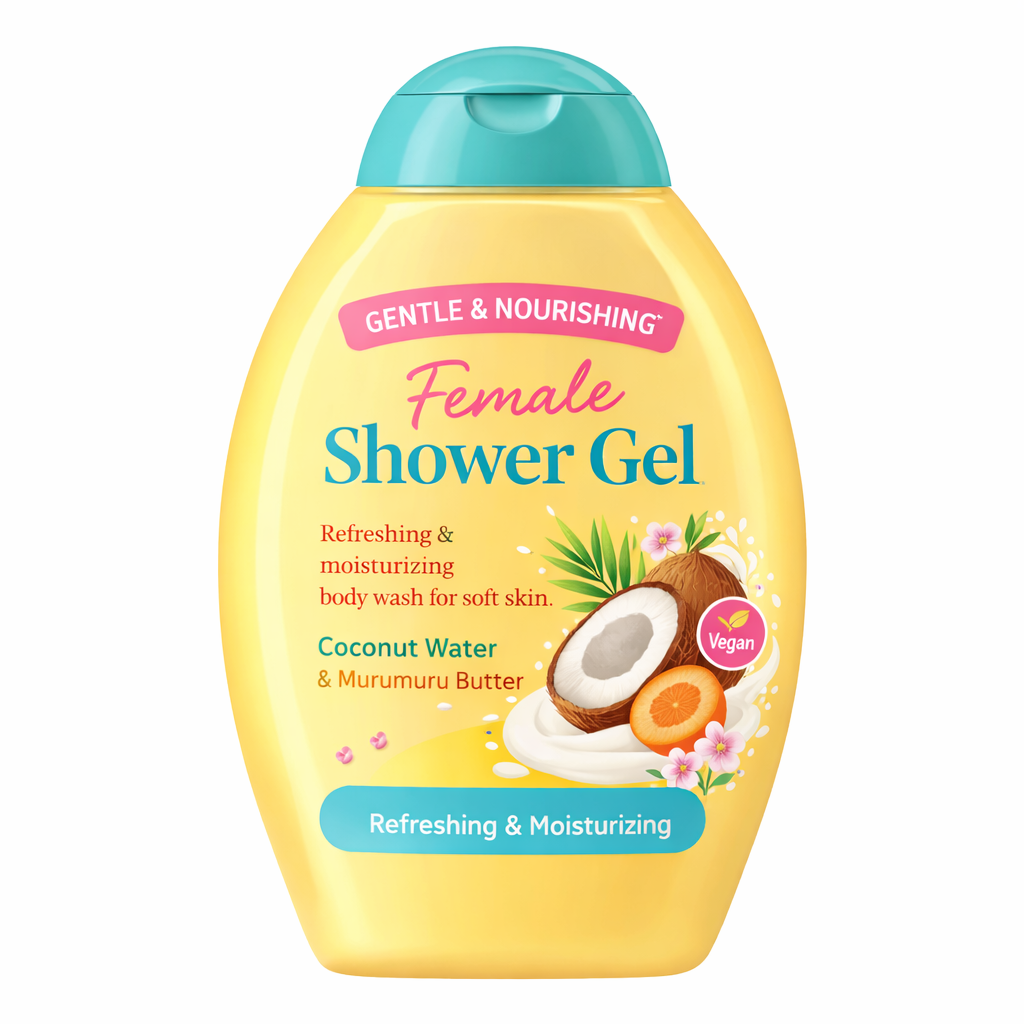
These clean effectively but leave the skin feeling soft rather than squeaky. A quality female shower gel will almost always lean toward gentler surfactant systems because women’s body care products are increasingly formulated with skin comfort as a priority, not just cleansing power.
pH Balance: A Detail Most Brands Overlook
Healthy skin has a pH of around 4.5 to 5.5. Many commercial shower gels sit at a pH of 7 or higher, which is closer to soap. When the pH is too high, it disrupts the acid mantle, the thin protective film on the skin’s surface.
Over time, using a high pH cleanser can lead to:
- Increased dryness
- Sensitivity and redness
- A rough or flaky texture
A well formulated product will match or stay close to the skin’s natural pH. This is one of those things consumers rarely check, but it makes a measurable difference.
Moisturizing Ingredients That Actually Work
Cleansing and moisturizing in the same step sounds like a marketing trick, but it’s chemically possible. Certain ingredients deposit moisture on the skin even during a rinse off process.
Common moisturizing agents found in good shower gel formulations include:
- Glycerin: a humectant that draws water to the skin
- Shea butter derivatives: provide a soft, conditioning feel
- Panthenol (Vitamin B5): supports skin barrier repair
- Natural oils like almond or jojoba: add a light layer of hydration
The key is concentration. A product listing glycerin as its 15th ingredient will not deliver the same results as one where it appears in the top five.
Fragrance: Where Comfort Meets Chemistry
Fragrance plays a big role in how a shower gel feels experientially. But synthetic fragrance blends are also one of the most common causes of skin irritation and contact dermatitis.
A well made product will either use fragrance compounds that are dermatologically tested or rely on naturally derived scent profiles. Some brands now disclose full fragrance ingredient lists, which is a sign of transparency.
For people with reactive skin, fragrance free options are worth considering. The absence of scent does not mean the product is lower quality. It often means the formulator prioritized skin tolerance over sensory appeal.
Preservatives: Necessary but Worth Understanding
Every water based product needs a preservative system to prevent microbial growth. Without it, bacteria and mold would develop inside the bottle within days.
Common preservatives include phenoxyethanol, sodium benzoate, and potassium sorbate. These are generally well tolerated. Parabens, while effective, have faced consumer pushback and many brands have moved away from them.
The goal is a preservative system that keeps the product safe without adding irritation risk. This is a formulation balancing act that separates professional grade products from cheap ones.
What About “Natural” and “Organic” Claims?
These terms are loosely regulated in most markets. A product labeled “natural” might still contain synthetic surfactants, artificial colors, and chemical preservatives.
What matters more than the label is the actual ingredient list. Look for:
- A short, readable ingredient list
- Recognizable plant based components
- Certifications from bodies like ECOCERT or COSMOS if organic claims are made
A female shower gel marketed as natural should hold up under ingredient scrutiny, not just shelf appeal.
Texture and Application: Small Details That Matter
The consistency of a shower gel affects how it spreads, how much product you use per wash, and how it rinses off. Thicker gels stay on the skin longer, giving active ingredients more contact time. Thinner formulas rinse faster but may require more product.
Some formulations include mild exfoliating particles or botanical extracts that offer a light textural element. These support cell turnover without the abrasiveness of traditional scrubs.
Packaging and Dispensing
This might seem minor, but packaging affects product freshness and usability. Pump bottles reduce contamination compared to flip cap designs. Opaque containers protect light sensitive ingredients.
For brands and private label manufacturers, these decisions directly affect how long the product stays effective and how consumers perceive it on the shelf.
Conclusion
A well formulated shower gel is the result of intentional choices at every stage: the type of surfactant, the pH level, the moisturizing system, the fragrance approach, and even the packaging. It’s not about adding more ingredients. It’s about choosing the right ones in the right concentrations and making them work together.
Consumers who start reading ingredient lists and understanding what goes into their daily body wash will quickly notice the difference between products that care for skin and products that simply clean it.
FAQs
Q.1 What should I look for in a shower gel for dry skin?
Ans: Look for formulas with glycerin, shea butter, or natural oils listed high on the ingredient list. Avoid products with SLS or high pH levels, as these tend to strip moisture from the skin.
Q.2 Is shower gel better than bar soap?
Ans: Shower gels generally have a lower pH and milder surfactants compared to traditional bar soaps. They are often better suited for people who experience dryness or irritation from soap.
Q.3 Can shower gel cause skin irritation?
Ans: Yes, especially if it contains harsh surfactants, synthetic fragrances, or allergens. Choosing a product with a short, transparent ingredient list reduces this risk.
Q.4 How often should I use shower gel?
Ans: Daily use is fine as long as the product is mild and pH balanced. Over cleansing with harsh formulas can damage the skin barrier over time.
Q.5 Does price indicate quality in shower gels?
Ans: Not always, but very inexpensive products often rely on cheap surfactants and synthetic fillers. Mid range products with clear ingredient transparency tend to offer the best balance of quality and value.
Steve Smith