
93% of consumers struggle to explain why they chose one product over another. That gap between what people feel and what they say is where most market research quietly falls apart. Purchase decisions are driven far more by emotions than by logic. Yet the majority of research methods still depend on what people are willing or able to put into words.
Traditional surveys, focus groups, and interviews capture stated preferences. But human beings are surprisingly poor at recognizing and reporting their own emotional responses. The technology to measure genuine reactions without relying on self reporting has now become a working reality in consumer research.
This blog breaks down how that technology works, where it is being applied, and where its real limitations sit.
What Consumers Don’t Say Often Matters Most
People filter their answers. Social pressure shapes focus group responses. Survey respondents default to safe, expected choices. The actual emotional reaction to a product, an advertisement, or a piece of packaging often stays buried beneath what people think they should say.
Researchers have known for years that stated preferences and actual buying behaviour rarely align. What has changed is that tools now exist to measure emotional responses directly.
How This Technology Actually Works
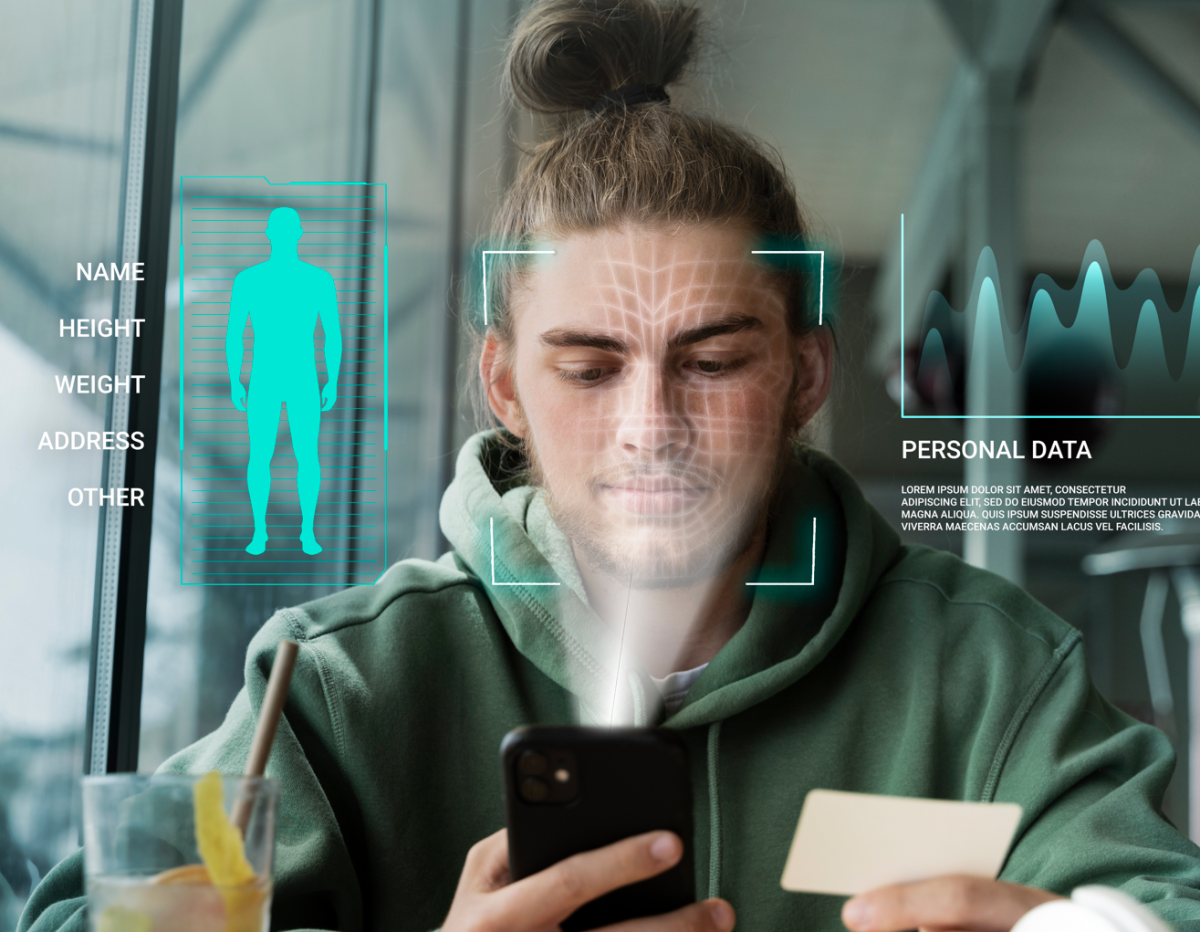
Emotion ai refers to systems that detect and interpret human emotional states using data from facial expressions, voice tone, body language, and physiological signals. In a research context, this means showing consumers a product concept or ad while recording their genuine reaction in real time.
The most widely used method is ai facial emotion recognition. Cameras track micro expressions during product interactions or content viewing. These micro expressions last fractions of a second and are nearly impossible to fake. When someone sees packaging that triggers brief confusion or discomfort, that signal is captured even if they later say it “looked fine.”
Voice analysis adds another layer. Changes in pitch, speed, and tone during interviews can signal excitement, frustration, or indifference. Combined with facial data, ai emotion recognition builds a more complete picture of what a consumer actually experiences versus what they choose to report.
Where Research Teams Are Applying This Today
Ad Testing: Before committing large budgets, brands show ads to small audiences while tracking emotional responses. This reveals which specific moments create engagement and which lose attention. Standard post viewing surveys miss these moment by moment shifts entirely.
Product Development: Consumer goods companies use ai facial emotion recognition during prototype testing. If a user picks up a new product and their expression shows confusion before they even try to open it, that is design feedback no questionnaire would surface.
Packaging Research: Brands test multiple packaging options by recording consumer reactions. The version that triggers the strongest positive response frequently outperforms in market, even when participants verbally preferred a different design.
Retail Settings: Some retailers measure in store emotional responses to shelf layouts and signage. As emotion ai matures, this approach is moving beyond foot traffic counting into actual sentiment measurement.
What the Output Looks Like
Results from ai emotion recognition are not a simple “happy or sad” label. Modern platforms produce emotional timelines showing shifts across states like joy, surprise, anger, confusion, and engagement.
For a 30 second ad, you might see engagement spike at second 8, drop at second 15, and recover at second 22. This precision allows creative teams to make targeted edits instead of guessing which sections need work.
The value of ai emotion recognition lies in capturing responses that happen too quickly for conscious awareness, giving researchers data that no survey question could produce.
Multiple emotion ai companies now offer platforms built specifically for research workflows. Firms like Affectiva, Realeyes, and iMotions are among the well known emotion ai companies in this space. They provide dashboards that translate raw emotional data into structured, actionable findings. Organizations such as TheLightbulb.ai track how these AI powered tools are being adopted across industries, including their application in consumer behaviour analysis.
Limitations Worth Knowing
Cultural Variation: Facial expressions carry different meanings across cultures. A smile might signal politeness rather than genuine pleasure. Emotion ai systems trained primarily on Western data can misread responses from other populations.
Privacy and Consent: Collecting facial and voice data raises real ethical questions. Biometric data regulations differ by region. Companies need clear consent processes before using ai facial emotion recognition in any research setting.
Context Gaps: These tools tell you what someone felt, not why. A frown during a product demo could signal confusion or simply fatigue. Emotional data requires qualitative follow up to become genuinely useful.
Accuracy Variation: Not all emotion ai companies deliver equally reliable results. Accuracy varies by platform, lighting conditions, and sample demographics. Researchers should validate tools against their specific use cases before committing resources.
Conclusion
The distance between what consumers say and what they actually feel has always been the central difficulty in market research. Technology that reads emotional signals from facial expressions and voice patterns now gives researchers a direct way to measure genuine reactions.
The use cases are already active across ad testing, product development, packaging design, and retail environments. But the strongest outcomes come from pairing emotional data with traditional research, not treating it as a replacement.
Teams adopting these tools should pay close attention to accuracy, privacy regulations, and cultural factors. The data is valuable only when interpreted with proper context and responsibility.
FAQs
Q.1 What is this technology and how does it apply to market research?
It refers to AI systems that detect emotional responses through facial expressions, voice patterns, and body signals. In market research, it records genuine consumer reactions to products and advertisements without depending on verbal feedback.
Q.2 How accurate is facial detection for making business decisions?
Accuracy varies by platform and testing conditions. Leading solutions perform well for basic emotions, but teams should validate against their own research needs before acting on the output.
Q.3 What privacy concerns should companies be aware of?
Recording biometric data such as facial expressions requires informed consent. Regulations differ by region, and any organization collecting this data must confirm compliance with local data protection laws before proceeding.
Q.4 Does this replace traditional research methods like surveys?
No. It shows what consumers feel but not why. It works best alongside surveys, interviews, and focus groups, adding a layer of emotional data that self reported responses alone cannot provide.
Shery won