
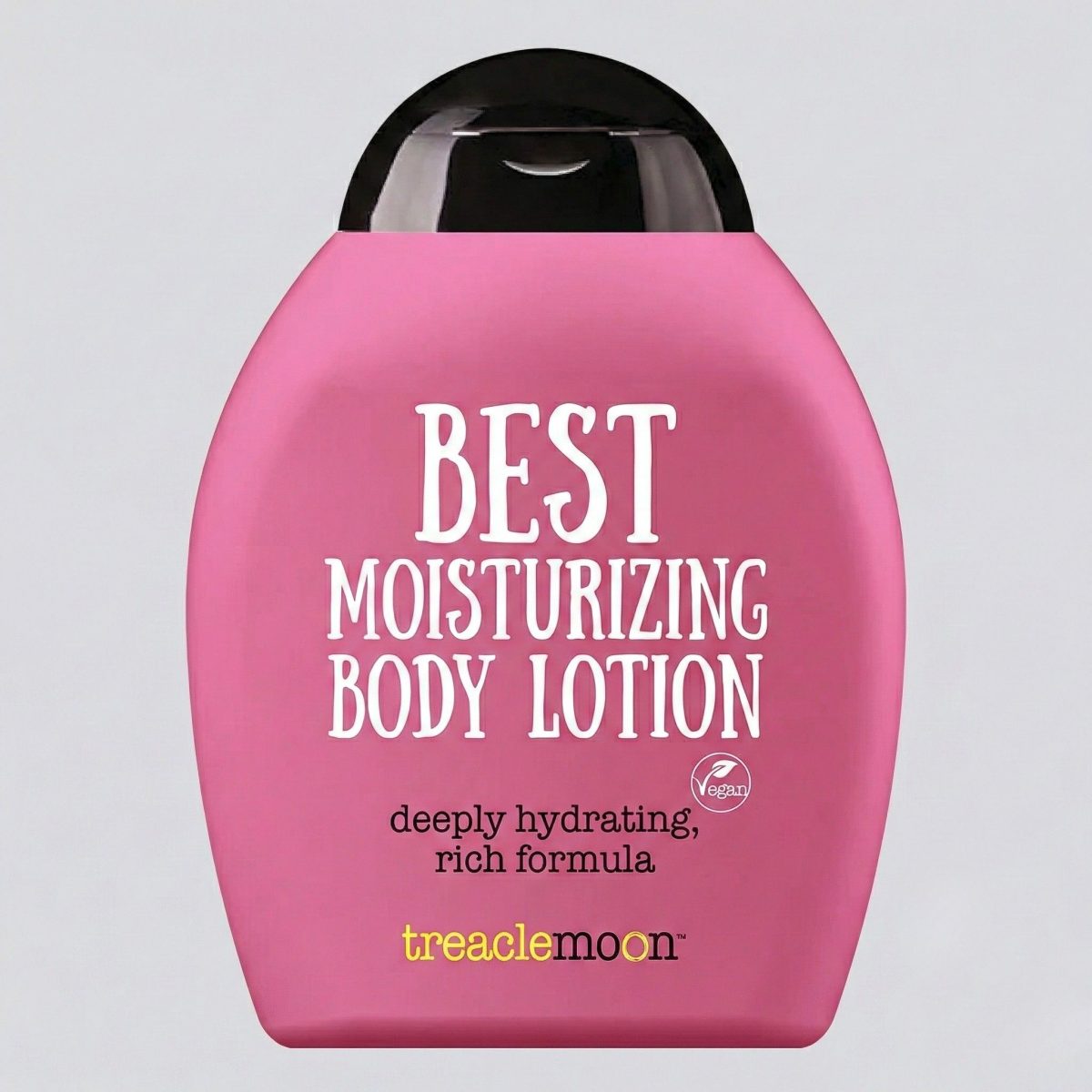
If you have dry skin, the right lotion is one that restores moisture, reduces tightness, and supports your skin barrier throughout the day without leaving a heavy or sticky feel. The best moisturizing body lotion is not defined by branding or price. It is defined by how well it matches your skin condition, environment, and daily routine.
Dry skin is not just a cosmetic issue. It affects comfort, appearance, and sometimes confidence. In more severe cases, it can lead to flaking, itching, and small cracks. Choosing the right lotion starts with understanding what your skin actually needs.
Identify the Type and Severity of Dryness
Dry skin varies from person to person.
Ask yourself:
- Does your skin feel tight only after bathing
- Is there visible flaking on arms or legs
- Do certain areas like elbows and knees look darker or rougher
- Does your skin sting after applying products
Mild dryness usually improves with a lightweight lotion containing humectants and emollients. Persistent roughness, ashiness, or cracking requires a thicker cream with stronger moisture retention ingredients.
In practical skincare consultations, many people buy heavier products than necessary. Often, the real issue is long hot showers or harsh cleansers stripping natural oils.
Understand the Ingredients That Actually Work
When evaluating a lotion, ignore front label claims and read the ingredient list. Effective moisturizers usually combine three key types of ingredients.
1. Humectants
These draw water into the outer layer of the skin.
Examples include glycerin and hyaluronic acid.
They are helpful in maintaining hydration but need support from other ingredients to prevent moisture loss.
2. Emollients
These soften and smooth the skin surface.
Common examples include shea butter, fatty alcohols, and plant oils.
They improve texture and reduce rough patches.
3. Occlusives
These form a light protective layer that reduces water evaporation.
Ingredients such as petrolatum and certain waxes fall into this group.
If your skin feels dry again within hours, it likely needs more occlusive support.
A well balanced formula containing all three categories tends to perform better than one focused on a single function.
Choose Texture Based on Climate and Lifestyle
Texture is more important than most people realize.
- Lightweight lotions absorb quickly and are suitable for humid climates
- Creams offer longer lasting hydration and are better for cooler or dry weather
- Rich butters work well for extremely dry areas
If you work in air conditioned offices all day, your skin may lose moisture faster than expected. In that case, a mid weight cream may work better than a thin lotion.
Comfort plays a big role in consistency. If a product feels greasy, you are less likely to use it daily.
Be Careful With Fragrance
Fragrance is one of the most common triggers for irritation in dry or sensitive skin.
If your skin feels warm, itchy, or red after application, fragrance may be contributing to the problem. For chronic dryness, fragrance free options are usually a safer choice.
This is especially important for individuals with eczema prone skin.
Support the Skin Barrier
Dry skin often indicates a weakened barrier.
Look for ingredients such as:
- Ceramides
- Niacinamide
- Cholesterol
- Fatty acids
These ingredients help reinforce the outer layer of the skin and reduce long term moisture loss. When the barrier improves, skin feels less tight and reacts less to environmental stress.
Apply Lotion the Right Way
Application timing directly affects results.
For better hydration:
- Apply immediately after showering while skin is slightly damp
- Use a richer cream at night for repair
- Reapply to dry areas during the day if needed
Moisturizers work by trapping existing water. Applying on damp skin increases effectiveness.
Many people think a product is not working when the real issue is inconsistent or incorrect application.
Consider Your Daily Exposure
Your work and lifestyle affect how your skin behaves.
If you:
- Wash hands frequently
- Spend long hours outdoors
- Wear protective clothing
- Live in a low humidity area
You may need a stronger formula or more frequent application.
The best moisturizing body lotion for your situation is the one that fits naturally into your routine. A simple, reliable product used daily will outperform an expensive product used occasionally.
Read Labels Carefully
Avoid products where alcohol appears high on the ingredient list if your skin is very dry. Alcohol can increase water loss over time.
Also be cautious with heavily scented products if you have sensitivity. Marketing language does not always reflect formulation quality.
Focus on ingredient balance and suitability instead of packaging claims.
If you are comparing different options online, curated platforms such as WeConnect provide categorized body lotion selections that help narrow down choices based on skin type and formulation.
Patch Test Before Full Application
Before using a new lotion on your entire body, apply a small amount to your inner forearm and wait 24 hours.
This simple step reduces the risk of irritation and wasted purchases. Even well formulated products can react differently on sensitive skin.
Conclusion
Choosing the right body lotion for dry skin is a practical decision. Identify your dryness level, select ingredients that combine humectants, emollients, and occlusives, and match the texture to your climate and daily routine.
Avoid unnecessary fragrance if your skin is sensitive. Apply on damp skin for better results. Read ingredient lists carefully and test new products before full use.
With consistent application and the right formulation, dry skin can become smoother, more comfortable, and less prone to irritation.
FAQs
Q.1 How often should I apply body lotion for dry skin?
Ans: At least once daily after bathing. If your skin is very dry, apply twice daily or as needed on rough areas.
Q.2 What is the difference between lotion and cream?
Ans: Lotion is lighter and absorbs faster. Cream is thicker and provides longer lasting hydration.
Q.3 Can body lotion reduce itching caused by dryness?
Ans: Yes. A fragrance free formula with barrier supporting ingredients can reduce itching related to dry skin.
Q.4 Is it necessary to change lotion in winter?
Ans: In colder or drier weather, switching to a thicker cream often provides better moisture retention.
Q.5 How long does it take to see improvement?
Ans: With daily use, most people notice smoother and less tight skin within one to two weeks.
Steve Smith