
In the ever-evolving landscape of contemporary fashion, few brands have managed to carve out a distinctive identity quite like Denim Tears . Founded by artist and designer Tremaine Emory, Denim Tears has emerged as a cultural force, blending streetwear, art, history, and activism into a compelling fashion statement. This brand’s unique style not only redefines denim but also challenges conventional notions of fashion, making it a significant influence in the modern apparel industry.
The Genesis of Denim Tears
Tremaine Emory launched Denim Tears in 2019, drawing inspiration from his own heritage, history, and a desire to create clothing that tells stories. The brand’s name itself is a nod to the complex history of denim as a fabric rooted in African-American culture and the broader African diaspora. Emory’s background as an artist and creative director for Supreme has played a pivotal role in shaping the brand’s aesthetic—an amalgamation of streetwear’s boldness and art’s depth.
From its inception, Denim Tears positioned itself as more than just a clothing label. It became a platform for storytelling, cultural commentary, and activism. The brand’s designs often feature powerful imagery, historical references, and striking graphics that provoke thought and conversation. This approach sets Denim Tears apart from many traditional fashion labels, making its style not only visually compelling but also intellectually engaging.
Aesthetic and Design Philosophy
Denim Tears’ aesthetic is characterized by a fusion of vintage Americana, streetwear edge, and profound cultural symbolism. The brand’s signature often includes denim garments—jeans, jackets, and shirts—adorned with bold graphics, embroidery, and patches. These elements serve as visual narratives, reflecting themes of race, identity, resistance, and history.
Color palettes tend to incorporate deep blues, blacks, and earthy tones, reinforcing the rugged, authentic feel of the brand. However, the real visual impact lies in the graphics—often inspired by historical photographs, African art, or political symbols. For example, Denim Tears has released pieces featuring imagery from the Black Panther movement, references to slavery, and tributes to African heritage.
The use of distressing, raw edges, and vintage-inspired washes further enhances the authentic, lived-in look that resonates with streetwear culture. Yet, beneath this seemingly casual exterior lies a layer of profound cultural commentary, making each piece a conversation starter.
Cultural Significance and Activism
What truly sets Denim Tears apart is its commitment to activism and cultural dialogue. The brand leverages fashion as a tool for education and resistance, highlighting issues that are often marginalized or overlooked. Through its designs, Denim Tears explores themes related to Black history, systemic oppression, and social justice.
One of the most notable examples of this is the collaboration with artist and activist LaKeith Stanfield on a collection that referenced African heritage and Black resilience. Additionally, the brand’s reinterpretations of traditional denim styles often incorporate symbols and motifs associated with African culture and the African-American experience.
The influence of historical figures and movements is evident in many of Denim Tears’ collections. For instance, a piece might feature imagery from the March on Washington or references to the abolition of slavery. These design choices serve to educate consumers while challenging them to think critically about history and their role within it.
Collaborations and Impact on Fashion
Denim Tears has collaborated with several high-profile brands and artists, amplifying its reach and influence. Its partnership with Nike on the Air Jordan 1 “Black Toe” and the subsequent release of the Nike x Denim Tears Air Force 1 exemplify how the brand seamlessly merges high fashion, streetwear, and activism.
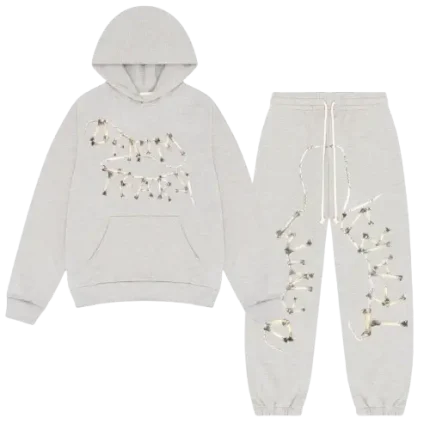
These collaborations often feature unique design elements, such as graphics inspired by African textiles or historical imagery, reinforcing the brand’s core themes. Such partnerships have elevated Denim Tears Hoodie from a niche label to a global phenomenon, inspiring other designers to incorporate cultural narratives into their work.
The brand’s impact extends beyond clothing. It has contributed to a broader cultural conversation about identity, representation, and social justice within the fashion industry. Denim Tears’ influence can be seen in the increasing number of brands and designers embracing storytelling and activism as central elements of their collections.
The Future of Denim Tears
As Denim Tears continues to grow, its focus remains on blending art, activism, and fashion into cohesive collections that challenge and inspire. The brand’s future likely involves further collaborations across different industries, expanding its reach and influence while maintaining its core message.
Moreover, Denim Tears’ commitment to cultural authenticity and social commentary positions it as a pioneer in the movement toward more meaningful fashion. Consumers today are increasingly seeking brands that resonate with their values and tell authentic stories, and Denim Tears exemplifies this shift.
In conclusion, Denim Tears’ unique style is a reflection of its dedication to cultural storytelling, activism, and authentic streetwear aesthetics. By incorporating historical references, powerful imagery, and a commitment to social justice, the brand has established itself as a leader in redefining what fashion can be. Its influence continues to grow, inspiring a new generation of designers, artists, and consumers to think critically about the stories they wear and the messages they promote through their style.
denim tears