
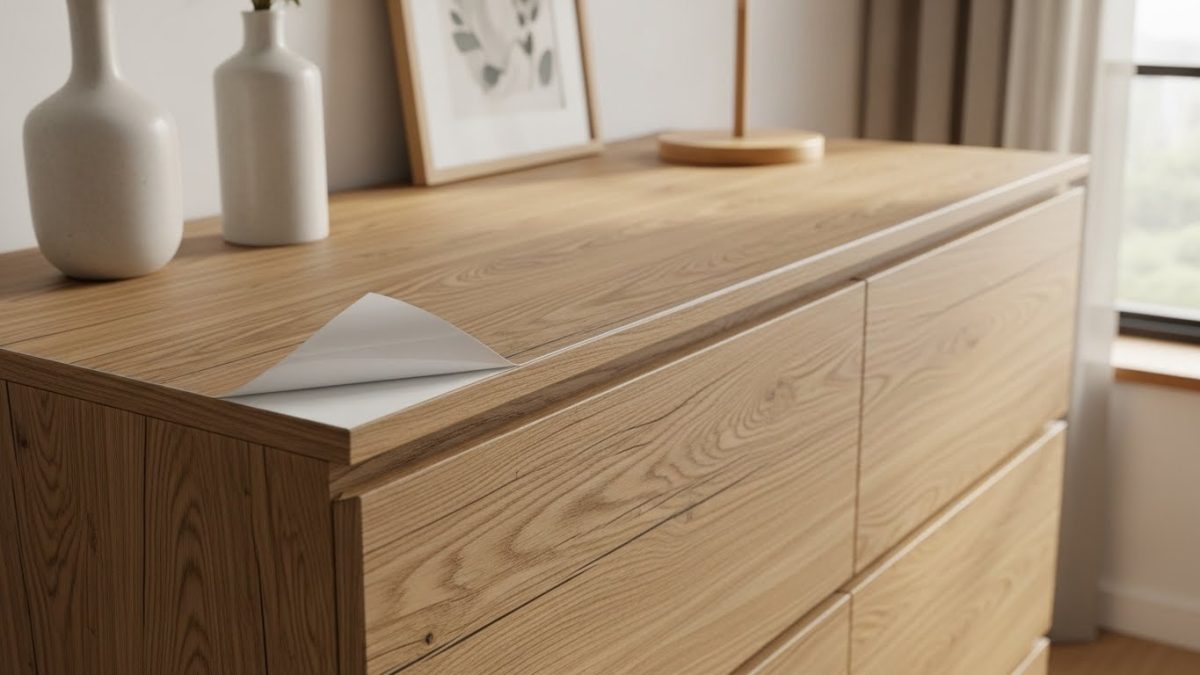
A wood effect car wrap is a vinyl film designed to replicate the appearance of natural wood on vehicles. These wraps come in various shades and textures, from deep mahogany to light oak, allowing car owners to achieve a unique, eye-catching finish without altering the underlying paint. Unlike traditional paint jobs, wood grain wraps are non-permanent and can be removed or replaced, making them a versatile option for customization.
Wood effect wraps are typically made from high-quality automotive vinyl that offers flexibility, durability, and UV resistance. Modern films can mimic realistic wood textures, giving the illusion of genuine wooden panels while maintaining the practical benefits of a vinyl wrap.
Benefits of Wood Grain Vinyl Wraps
Aesthetic Appeal and Customization
Wood effect wraps provide an instant visual upgrade. Vehicle owners can choose from classic, rustic wood grains or more contemporary finishes that blend with the car’s design. For those looking to stand out at car shows or in urban settings, a wooden-style wrap offers a distinctive alternative to conventional paint colors.
Customization extends beyond color. Some vinyl films allow texture variations, such as matte or semi-gloss finishes, enhancing the tactile and visual appeal. Hybrid wraps combine wood patterns with metallic or carbon fiber accents, creating truly unique designs.
Protection and Durability
Beyond aesthetics, wood effect wraps act as a protective layer. The vinyl shields the car’s paint from minor scratches, road debris, and UV damage. High-quality wraps, such as 3M’s 1080 Series or Avery Dennison’s Supreme Wrapping Film, provide long-lasting durability, often exceeding five years with proper care.
This protective benefit reduces maintenance costs over time. Even if the wrap sustains minor damage, replacing a panel is simpler and more affordable than repainting the vehicle.
Cost-Effectiveness
Compared to custom wood paint jobs, vinyl wraps are significantly more cost-effective. They allow vehicle owners to achieve premium finishes at a fraction of the cost, and their reversibility adds financial flexibility. For lease or rental vehicles, wood effect wraps offer a stylish, non-permanent upgrade that can be removed without affecting the original paint.
Popular Types of Wood Effect Car Wraps
Matte Wood Grain Wraps
Matte wood grain wraps provide a soft, understated look reminiscent of natural, untreated timber. These are ideal for classic vehicles, luxury sedans, or those who prefer a subtle finish. Matte films reduce glare and give the car a refined, sophisticated aesthetic.
Glossy Wooden Finishes
Glossy wraps offer a polished, high-end appearance that enhances the wood grain’s depth and vibrancy. This finish works well for sports cars or SUVs where a bold, statement-making look is desired. Glossy films reflect light beautifully, highlighting intricate textures and patterns.
Hybrid and Textured Options
Some modern wraps combine wood patterns with other materials like carbon fiber or metallic accents. Textured films offer tactile realism, simulating wood grains that can even be felt under your fingertips. These innovative designs appeal to automotive enthusiasts seeking creative, unconventional finishes.
Choosing the Right Vinyl and Tools
Recommended Vinyl Brands
Choosing a high-quality vinyl is critical for achieving a realistic wood effect and ensuring durability. Trusted brands include:
-
3M 1080 Series: Renowned for flexibility, ease of installation, and long-term durability.
-
Avery Dennison Supreme Wrapping Film: Offers excellent color retention and resistance to scratches.
-
Oracal 970RA: Known for easy repositioning during installation and consistent finish quality.
Essential Tools for Installation
A smooth, professional finish requires the right tools:
-
Heat gun or infrared heater for conforming vinyl to curves.
-
Squeegee with felt edges to avoid scratches.
-
Precision cutting tools for trimming excess vinyl.
-
Surface cleaner and microfiber cloths to prep the car before application.
Installation: DIY vs. Professional
Step-by-Step DIY Guide
For those attempting a DIY installation, the process generally follows these steps:
-
Clean the Vehicle: Remove dirt, wax, and grease to ensure the vinyl adheres properly.
-
Measure and Cut: Carefully cut vinyl panels slightly larger than the target area.
-
Apply the Vinyl: Peel and stick, smoothing out air bubbles using a squeegee.
-
Heat and Stretch: Use a heat gun to conform the wrap to curves and edges.
-
Trim Excess: Cut carefully along seams and around features like mirrors and handles.
DIY installation can save money but requires patience, precision, and skill to avoid bubbles, wrinkles, or misalignment.
Advantages of Professional Installation
Professional installers bring experience, specialized tools, and controlled environments. They can deliver flawless finishes, particularly for complex curves, textured wraps, or large vehicles. Many services offer warranties covering installation errors or material defects, providing peace of mind and long-term value.
Maintenance Tips for Longevity
Maintaining a wood effect wrap involves gentle care:
-
Wash with mild soap and water; avoid abrasive brushes.
-
Use a soft microfiber towel for drying.
-
Avoid prolonged exposure to extreme heat or direct sunlight when possible.
-
Apply protective wax or wrap-specific sealants to extend life and preserve vibrancy.
With proper care, wood effect wraps can retain their appearance for 4–7 years, depending on quality and environmental conditions.
Wood Effect Car Wrap Trends and Innovations
Current trends in wood effect wraps include hybrid finishes, textured surfaces, and eco-friendly vinyl materials. Some automotive enthusiasts combine wood wraps with LED accent lighting or matte-to-gloss transitions, creating dynamic visual effects. Technological innovations like self-healing vinyl and advanced UV-resistant coatings are further enhancing durability and design possibilities, pushing wood effect wraps into the realm of premium automotive customization.
Frequently Asked Questions (FAQs)
1. How long does a wood effect car wrap last?
High-quality vinyl wraps typically last 4–7 years with proper maintenance. Longevity depends on exposure to weather, UV rays, and care practices.
2. Can I remove a wood effect wrap without damaging my car?
Yes. Vinyl wraps are designed to be removable without affecting the underlying paint. Professional removal is recommended for best results.
3. Is a wood effect wrap more expensive than paint?
No. Vinyl wraps are usually more cost-effective than custom paint jobs and offer the added advantage of reversibility.
4. Can I install a wood effect wrap myself?
DIY installation is possible, but professional installation ensures a flawless finish, especially for complex vehicle shapes.
5. Do wood effect wraps require special maintenance?
Wraps should be cleaned with mild soap, soft cloths, and non-abrasive tools. Protective wax or sealants help extend longevity.
6. Are there different types of wood effect finishes?
Yes. Options include matte, glossy, textured, and hybrid finishes combining wood with other materials.
7. Which vinyl brands are best for wood effect car wraps?
Top choices include 3M 1080 Series, Avery Dennison Supreme Wrapping Film, and Oracal 970RA.
Oscar_Hammond