
In today’s fast-paced world, businesses are looking for creative ways to engage customers. One of the most innovative ideas is turning ordinary packaging into a digital connection. Imagine your burger box offering more than just food. With QR codes, you can provide dynamic content and enhance customer experience.
How QR Codes Transform Packaging into a Digital Gateway
QR codes have changed how businesses interact with customers. By scanning a small code, users can access menus, promotions, or videos instantly. This transforms packaging into a bridge between the physical and digital world. Restaurants can now use their packaging to share recipes, loyalty programs, or even surveys.
Customers are more likely to engage if the content is relevant and easy to reach. QR codes can track how many people scan them, giving businesses valuable data. For example, a burger restaurant can learn which promotions attract more customers. In addition, the technology is cheap and easy to implement.
Printed QR codes can be placed on boxes, cups, or wrappers. They do not affect the packaging design and maintain brand aesthetics. Moreover, they allow restaurants to update content dynamically without reprinting packaging. This flexibility makes QR codes a long-term marketing solution.
By integrating QR codes with social media, restaurants can encourage sharing. Users can post photos or reviews, further promoting the brand. Overall, QR codes provide a simple way to enhance customer experience while collecting insights.
Benefits of Offering WiFi Through Packaging
Providing WiFi through packaging is more than a convenience. It creates a seamless experience for customers. People often look for free internet in public places. By offering WiFi, restaurants encourage longer visits and more purchases.
When customers scan a QR code, they can connect to the hotspot without typing long passwords. This ease of use makes them more likely to stay engaged. Restaurants can also use this opportunity to introduce new offers or exclusive deals.
Additionally, offering WiFi builds loyalty. Customers remember businesses that provide useful services. It also increases brand awareness because connected users may share their experience online. Data from the hotspot can be analyzed to understand peak hours and customer preferences.
Restaurants can also use WiFi access as a tool for marketing. By requiring an email or phone number to connect, they collect contacts for future campaigns. This strategy turns simple packaging into a powerful marketing tool.
Creating Dynamic Content for Customers
Dynamic content changes based on the customer’s interaction. For example, scanning a QR code can display daily specials, new menu items, or discount offers. Unlike printed materials, this content is flexible and can be updated anytime.
Dynamic content increases engagement because it feels personal and fresh. Customers enjoy discovering new information each time they scan. Restaurants can segment content based on location or time, providing more targeted marketing.
Moreover, dynamic content can integrate multimedia. Videos, images, and animations attract attention better than static text. Restaurants can show how burgers are made, introduce staff, or share customer stories.
In addition, dynamic content improves brand credibility. Users see a company that invests in technology and creativity. It builds trust and encourages repeat visits. By connecting packaging with the digital world, businesses create a memorable experience.
Designing QR Codes That Attract Attention
Design is essential when adding QR codes to packaging. Codes need to be noticeable but not overpower the brand’s look. Colors, shapes, and placement all affect how likely customers are to scan.
Placing codes on the top of burger boxes or near logos increases visibility. A simple call-to-action like “Scan for Free WiFi” encourages interaction. Restaurants can also integrate small graphics to make the QR code more appealing.
The design should remain functional. A poorly printed or overly decorative code may not scan properly. Testing is essential before mass printing. Combining aesthetics with usability ensures customers have a smooth experience.
Moreover, designing codes that match the brand identity strengthens recognition. Consistent colors, fonts, and style make the technology feel part of the packaging, not an afterthought.
Using Printed Burger Boxes to Enhance Customer Experience
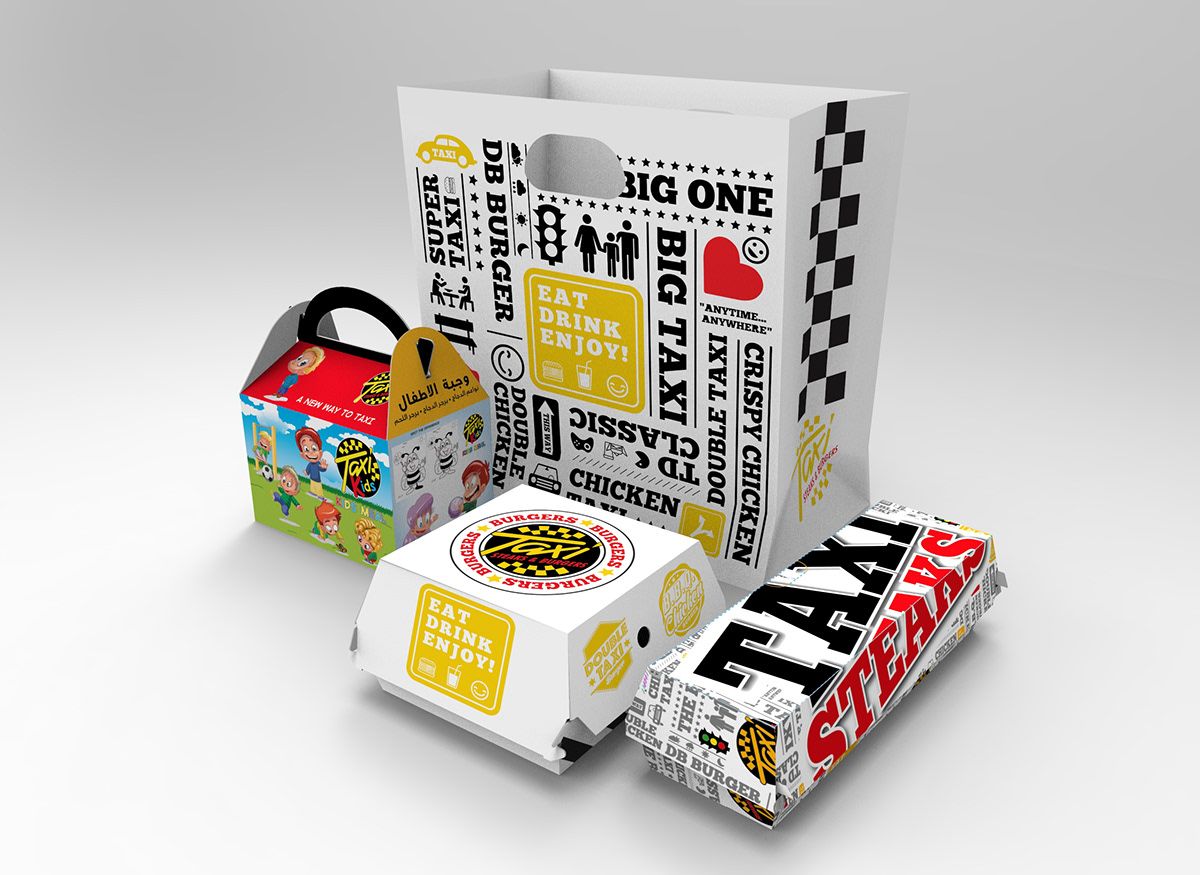
Restaurants can now make packaging work harder. By placing QR codes on printed burger boxes, they can offer WiFi and dynamic content simultaneously. Customers feel more connected and entertained.
Printed burger boxes are ideal because they are seen by everyone during the meal. The box itself becomes a marketing tool. Promotions, social media links, or even fun facts can be displayed through QR codes.
This approach is eco-friendly too. Instead of printing new leaflets or flyers, the information is digital. Restaurants save costs and reduce waste. Customers appreciate the convenience and novelty of interacting directly with packaging.
Additionally, printed burger boxes with QR codes can support gamification strategies. Scanning codes can unlock rewards, collect points, or participate in contests. This increases engagement and encourages repeat visits.
Overall, using packaging creatively strengthens the connection between brand and customer. It turns an everyday item into a digital experience.
Strategies to Encourage QR Code Scans
Encouraging customers to scan codes requires subtle strategies. Clear instructions, visible placement, and appealing design all play a role. Incentives like discounts or free items also motivate action.
Restaurants can display small signs at tables or counters reminding people to scan. Staff can promote scanning in a friendly, non-intrusive way. Social media campaigns can also highlight QR code features and benefits.
Offering exclusive content is another effective strategy. Customers are more likely to scan if they know they will receive something unique. For example, behind-the-scenes videos or secret recipes make the interaction valuable.
Finally, consistent updates ensure repeat engagement. If the content changes regularly, customers will scan codes multiple times. This creates a habit and strengthens brand loyalty over time.
Measuring the Impact of QR Code Packaging
Data is vital for understanding how QR code packaging performs. Businesses can track scans, time of engagement, and content popularity. These insights help refine marketing strategies.
Analytics can reveal which promotions are most effective and which areas need improvement. Restaurants can then adjust campaigns for maximum impact.
Additionally, measuring results allows for personalized marketing. Frequent scanners can receive tailored offers, boosting satisfaction and loyalty. This creates a data-driven approach to packaging that goes beyond aesthetics.
Using metrics to evaluate customer behavior makes marketing more efficient. Businesses spend resources wisely and increase return on investment.
Future Trends in Digital Packaging
Digital packaging will continue to evolve with technology. QR codes may incorporate augmented reality, interactive games, or AI-powered recommendations. Customers will expect more personalized and immersive experiences.
Restaurants that adopt these trends early can gain a competitive advantage. Smart packaging will not just deliver food but create memorable interactions.
Integration with mobile apps, loyalty programs, and social sharing will further enhance customer experience. Packaging will become a central part of brand storytelling and marketing strategy.
As consumers embrace technology, connecting packaging with digital content will become standard. Forward-thinking restaurants will leverage every box, wrapper, and cup to engage their audience.
Conclusion
Turning your burger box into a WiFi hotspot with printed QR codes is more than a tech trend—it is a smart way to connect with customers. It creates a seamless bridge between the physical and digital experience, making meals interactive and memorable. Restaurants can share dynamic content, offer promotions, and build loyalty without extra cost. Customers benefit from convenience, entertainment, and personalized experiences.
By using packaging creatively, businesses can track engagement, gain valuable insights, and adapt strategies in real time. This approach enhances brand value, encourages repeat visits, and supports modern marketing goals. As technology evolves, integrating QR codes and WiFi into packaging will become increasingly essential for restaurants looking to stay competitive.
Click Here: https://ibexpackaging.com/burger-boxes/
Ibex Packaging