
Dealing with a home flood emergency can be one of the most stressful situations a homeowner faces. Water spreads fast, damages structures, ruins possessions, and creates the perfect environment for mold growth. Understanding the core reasons behind sudden flooding can help you prevent future disasters and take quick action when things go wrong. In this 1000-word guide, you will learn about the most common causes of home flooding, how they start, and why timely water damage repair is essential. This content is written in active voice, SEO-friendly, and includes the brand name Ideal Response twice as requested.
What Causes a Home Flood Emergency During Heavy Rainfall?
Heavy rainfall is one of the leading causes of a home flood emergency. When precipitation exceeds the soil’s ability to absorb water, excess water flows toward the lowest point—often your home. Poor drainage systems make the situation worse.
Blocked gutters, improperly graded soil, or insufficient stormwater drains cause water to accumulate around the foundation. Once water seeps through cracks or enters through basement windows, indoor flooding begins.
Another factor is clogged downspouts. If water cannot move away from the roof efficiently, it overflows and falls directly near the foundation. Over time, this pressure forces water inside your basement or crawl space.
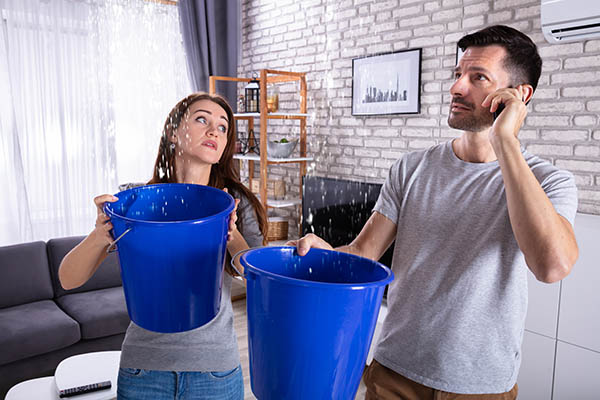
Heavy storms combined with wind can also damage the roof. Missing shingles or broken flashing allow water to leak into ceilings and walls. When this water goes unnoticed, it eventually leads to slow flooding and severe internal moisture damage.
How Does Plumbing Failure Trigger a Home Flood Emergency?
Plumbing issues are responsible for a large percentage of sudden indoor floods. A burst pipe can release hundreds of gallons of water in just minutes. This usually happens due to:
- Age and corrosion
- Excessive water pressure
- Freezing temperatures
- Poor installation
- Lack of maintenance
Washing machine hoses, dishwasher lines, and water heater tanks are also common culprits. These components deteriorate over time and eventually fail without warning.
Toilets and sinks can overflow because of clogs or sewer line blockages. When wastewater cannot move through the pipes correctly, it returns through the lowest drain point—usually the bathroom or laundry area. Not only does this cause flooding, but it also risks contamination.
You can prevent most plumbing-related floods by scheduling routine inspections, upgrading old fixtures, and replacing worn-out hoses and pipes. Immediate water damage repair becomes crucial when plumbing failure goes unnoticed for too long.
Why Do Sewage Backups Lead to Severe Home Flood Emergencies?
A sewage backup is one of the most dangerous causes of a home flood emergency. Unlike clean water leaks, sewage flooding involves contaminated water that can affect your health. A sewage backup usually occurs due to:
- Blocked or collapsed sewer lines
- Tree root intrusions
- Heavy rainfall overloading municipal systems
- Grease buildup
- Damaged or outdated plumbing systems
When pressure builds inside the sewer line, it forces wastewater back into your home through tubs, toilets, and floor drains. This type of flooding requires professional cleanup due to the presence of harmful bacteria and pathogens.
As soon as a sewage backup happens, shutting off the water supply, avoiding contact, and calling a certified team like Ideal Response can minimize damage. They specialize in handling hazardous floodwater and restoring affected areas safely.
Can Appliance Malfunctions Cause a Home Flood Emergency?
Yes, malfunctioning appliances often lead to unexpected indoor flooding. Common appliances that cause damage include:
- Washing machines
- Dishwashers
- Refrigerators with ice makers
- Water heaters
- HVAC systems
A broken valve, loose connection, or deteriorated supply line can leak slowly or burst suddenly. Many homeowners fail to detect these issues early because appliances often sit in hidden corners, laundry rooms, or basements.
Refrigerators and air conditioners also produce condensation. If the drainage system is blocked, water accumulates and causes slow moisture buildup. Over time, this leads to mold, flooring damage, and wall deterioration.
Regular checks, replacing supply lines every few years, and monitoring appliance performance can significantly reduce the risk.
How Does Poor Home Maintenance Lead to Flooding?
Neglecting essential home maintenance often results in a preventable home flood emergency. Small cracks, minor leaks, or clogged drains may seem harmless, but they can escalate quickly.
Some common maintenance issues that cause flooding include:
- Cracked basement walls
- Gutter clogs
- Faulty sump pumps
- Poor roof condition
- Soil erosion near the foundation
- Improper drainage slope around the house
A sump pump failure is particularly risky. This device helps remove water from basements during heavy rainfall. If it stops working due to a power outage or mechanical failure, water quickly builds up and floods the area.
Roof neglect is another leading cause. When shingles wear out or flashing loosens, water enters the attic. It then spreads through insulation, ceilings, and walls, causing structural damage that often requires professional water damage repair services.
Why Can Nearby Water Sources Cause a Home Flood Emergency?
If you live near lakes, rivers, streams, or coastal areas, your home is at higher risk of flooding. Natural water sources overflow due to:
- Heavy rainfall
- Rapid snowmelt
- Storm surges
- Ground saturation
- Overflowing dams or drainage systems
Flooding from natural water bodies can enter your home with little warning, depending on the weather and overall water levels. In such cases, acting quickly and contacting flood cleanup professionals becomes essential to minimize the damage.
How Does Foundation Damage Result in Indoor Flooding?
Your home’s foundation plays a vital role in keeping water out. Any crack or structural weakness allows water to seep into lower areas of the home. Over time, repeated water intrusion worsens foundation cracks and weakens structural stability.
Poor soil compaction, erosion, construction defects, and earthquakes are the primary causes of foundation damage. If you notice damp walls, musty odors, or small puddles, you might already be experiencing early signs of flooding.
Routine inspections and repairs are important to ensure the foundation remains strong and water-resistant.
Conclusion: Why Understanding the Causes Helps You Prevent the Next Home Flood Emergency?
Knowing the common causes of a home flood emergency empowers you to take proactive steps toward prevention. Whether it’s plumbing failure, heavy rain, appliance malfunction, sewage backup, or poor maintenance, addressing issues early minimizes risks and saves you from expensive repairs.
When flooding does occur, quick response is crucial. Professional restoration teams like Ideal Response can provide thorough inspection, cleanup, and water damage repair, helping restore your home to its original condition.
emergencydentistinhouston