
Open-concept interiors have become one of the most influential design trends in modern architecture. Homeowners, designers, and commercial property planners are constantly searching for ways to create spacious, flexible, and visually seamless environments. Among the various architectural elements that support this concept, folding doors stand out as one of the most impactful solutions. Offering both functional and aesthetic advantages, folding doors enhance open-concept layouts by connecting spaces, maximizing light, and improving usability in ways traditional doors simply cannot match.
This article explores the key benefits that make folding doors an exceptional fit for open-concept interiors, highlighting their versatility, style, and long-term value.
Enhancing Spatial Flexibility in Modern Interiors
One of the most sought-after qualities in open-concept interiors is flexibility. Spaces should be adaptable to different activities, moods, and occasions. Folding doors excel at providing this adaptability.
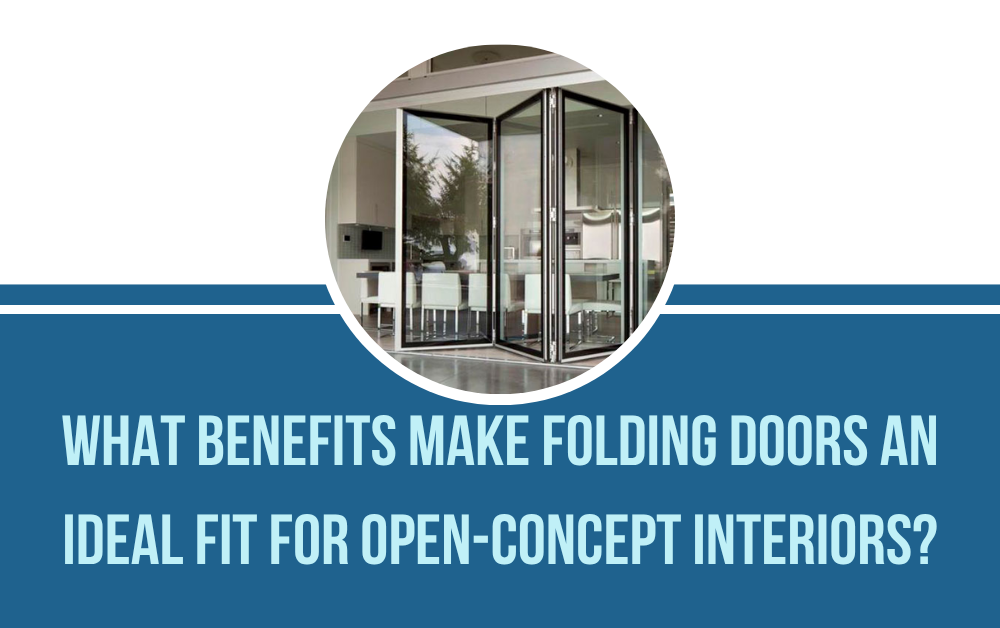
Folding door systems allow multiple configurations. They can be fully opened to merge two spaces into one expansive area—ideal for gatherings, events, or an airy everyday environment. When partially opened, they offer controlled division, adding privacy without compromising the overall open layout. When closed, they function as solid barriers that maintain the visual harmony of the interior.
For homes, this flexibility is perfect for connecting living rooms with patios, dining areas with kitchens, or bedrooms with balconies. In commercial settings, folding doors create multi-purpose meeting rooms, lounges, and collaborative workspaces. This adaptability makes them a crucial element in interiors where versatility is a priority.
Increasing Natural Light and Visibility Throughout the Space
Natural light is one of the defining features of open-concept design. Brighter spaces feel larger, more welcoming, and more connected. Folding doors support this by incorporating large glass panels that act as transparent walls when closed.
The glass surface allows light to travel freely across rooms, eliminating dark corners and making interiors feel more expansive. When the doors are open, they completely remove the barrier between indoor and outdoor spaces, allowing sunlight and fresh air to flow inside.
This benefit plays a major role in homes with limited access to windows or in urban settings where maximizing daylight is essential for comfort and ambiance. It also reduces reliance on artificial lighting during the day, contributing to energy savings and a more eco-friendly design.
NOTE:- Folding Doors In Dubai had been widely preferred for creating flexible living areas. They had improved ventilation, maximized natural light, and added contemporary elegance. Many clients had relied on Doorman System for durable materials and expert craftsmanship. Reach out to Doorman System now for professional assistance.

Creating Seamless Indoor–Outdoor Transitions
Modern interior design increasingly emphasizes a smooth connection between indoor living areas and outdoor environments. Folding doors are one of the most effective architectural solutions for achieving this goal.
When fully opened, folding doors create a wide, uninterrupted opening that merges the indoors with patios, gardens, terraces, decks, or poolside areas. This transition enhances the sense of freedom within the home and allows residents to experience outdoor views as an integral part of their interior space.
For homeowners who enjoy entertaining, folding doors enable gatherings to extend naturally into outdoor areas. For families, they offer better visual connectivity, making it easier to supervise children while maintaining a comfortable indoor environment. For those seeking a luxurious lifestyle, the seamless blending of spaces elevates the overall aesthetic of the home.
Offering Space-Saving Operation Compared to Traditional Doors
Space efficiency is another critical factor in open-concept design. Traditional hinged doors require clearance to swing open, making them unsuitable for compact or highly functional layouts. Sliding doors offer an improvement, but they remain limited because one panel must always remain fixed.
Folding doors operate on a track system and fold neatly to one side, occupying minimal space. This allows for maximum floor utilization and ensures no space is wasted. In smaller homes or studios, this design feature becomes particularly valuable.
By eliminating swing clearance, folding doors give designers more freedom to include furniture, decor, and functional elements without obstruction. They allow homeowners to enjoy bigger, more flexible layouts that feel uncluttered and efficiently arranged.
Enhancing Aesthetic Appeal With Modern Design Options
A major advantage of folding doors is their ability to complement virtually any interior style. Their sleek frames, expansive glass panels, and customizable finishes make them both a functional and decorative feature.
Folding doors come in various materials such as aluminum, timber, uPVC, and hybrid constructions. Each material offers unique visual and structural qualities that can match contemporary, minimalist, traditional, or industrial interiors. Frame colors, glazing options, and hardware designs offer even greater freedom for personalization.
Their clean lines and modern appeal make folding doors a centerpiece in any home or commercial space. They elevate interiors by introducing a luxurious and sophisticated touch, making open-concept environments feel more premium.
Improving Ventilation and Indoor Comfort
Open-concept interiors benefit greatly from improved airflow, as it helps regulate temperature, remove odors, and maintain a fresh atmosphere. Folding doors contribute to ventilation through adjustable opening levels.
Whether opened slightly for a gentle breeze or fully for maximum airflow, folding doors allow residents to control ventilation with ease. This is especially important in climates where fresh air circulation reduces dependence on air conditioners or enhances overall indoor comfort.
When incorporated between indoor areas, such as the kitchen and living room, folding doors help manage heat distribution or isolate cooking fumes without closing off the space entirely. Their flexibility makes them a practical component of a comfortable, breathable home.
Enhancing Privacy Without Sacrificing the Open Feel
Open-concept design promotes spaciousness but sometimes lacks privacy. Folding doors solve this by providing on-demand separation without compromising the visual openness of the space.
When privacy is required—such as during meetings, family activities, or guests visiting—folding doors can be closed to create a temporary boundary. When privacy is no longer needed, the doors can be opened to restore the original open-concept layout.
This makes them valuable in multi-functional homes where spaces serve different purposes at different times. Offices, study rooms, play areas, and guest spaces can be seamlessly integrated or isolated, depending on the moment.
Increasing Property Value With Functional Design
Homes and commercial properties that incorporate folding doors often enjoy increased market value. Their wide openings, modern look, and practical benefits make them a desirable architectural feature.
Buyers appreciate spaces that are flexible, well-lit, and aesthetically appealing. Folding doors create a strong design impression and offer long-term usability. Their durable materials, energy-efficient glazing, and minimal maintenance requirements further enhance their investment value.
For luxury properties, folding doors are considered a high-end feature that contributes to premium pricing. For renovation projects, they serve as a transformative upgrade that revitalizes older spaces.
Supporting Energy Efficiency With Advanced Glazing Options
Energy efficiency is a major concern in modern interior design, and folding doors offer solutions through various glazing technologies. Double or triple glazing, thermal break frames, and weather-sealed tracks help maintain indoor temperatures.
These technologies reduce heat transfer, keeping interiors cool in hot climates and warm during colder seasons. As a result, homeowners enjoy better thermal comfort and lower energy bills.
The large glass panels also allow passive solar gain during specific times of the day, further enhancing energy efficiency without compromising comfort. With the right configuration, folding doors contribute significantly to sustainable interior design.
Ensuring Smooth Operation With Modern Engineering
Today’s folding doors are engineered with advanced hardware systems that ensure smooth and reliable operation. High-quality rollers, concealed tracks, and secure locking systems make modern folding doors both safe and user-friendly.
Unlike older designs that were prone to jamming or requiring frequent maintenance, contemporary folding doors offer long-lasting performance with minimal upkeep. Their engineering also enhances safety, especially when equipped with features like finger-safe gaskets and multi-point locks.
This makes them suitable for homes with children, busy commercial environments, and spaces that require dependable daily use.

Providing Acoustic Insulation for Quieter Interiors
Despite promoting openness, folding doors can provide excellent sound insulation when closed. This is particularly important in open-concept layouts where noise can travel freely.
High-quality folding doors with insulated frames and acoustic glazing can significantly reduce noise transfer. This makes them ideal for connecting living rooms with noisy outdoor areas, separating meeting rooms from busy office spaces, or isolating entertainment zones within homes.
By offering both openness and quietness, folding doors support a more comfortable and versatile environment.
Adapting to a Wide Range of Architectural Applications
The versatility of folding doors extends beyond residential use. They are commonly utilized in restaurants, hotels, offices, retail stores, and event venues. In each environment, they provide the dual advantages of openness and control.
Restaurants can expand their dining areas outdoors. Retail stores can create inviting storefronts. Offices can design multi-purpose meeting areas. Event spaces can adjust room sizes quickly for different functions.
Their adaptability makes folding doors a universal design element for various architectural needs.
Conclusion
Folding doors have earned their place as one of the most effective solutions for open-concept interiors. Their ability to connect spaces, enhance natural light, save space, and contribute to energy efficiency makes them an invaluable feature in modern design. Whether used in homes, commercial properties, or luxury developments, folding doors provide the perfect balance of beauty, functionality, and flexibility.
By enabling seamless transitions, improving ventilation, offering privacy when needed, and elevating the overall style of any interior, folding doors align perfectly with the goals of open-concept living. Their versatility ensures that they not only enhance current design needs but also adapt to evolving lifestyles in the years to come.
reetamercy