
In today’s rapidly advancing digital landscape, maintaining road safety is one of the most pressing challenges faced by cities worldwide. With the continuous growth of vehicles and urban congestion, enforcing traffic regulations has become more complex than ever. The rise of smart technologies has given law enforcement agencies a powerful ally — the speed enforcement camera system. These intelligent systems leverage artificial intelligence, machine learning, and computer vision to detect speeding violations accurately, ensuring roads remain safer for both drivers and pedestrians.
The Evolution of Speed Enforcement Technology
Traditional speed monitoring systems relied heavily on manual oversight and static radar guns, which were often limited in coverage and accuracy. Over time, technological advancements have paved the way for automated speed enforcement camera systems that operate around the clock with precision and consistency.
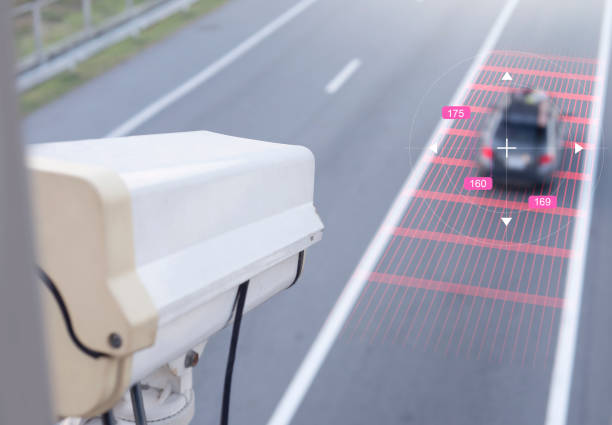
Today’s systems utilize high-definition cameras combined with AI-driven analytics to detect speed violations, capture vehicle details, and record evidence in real time. These cameras are strategically placed across highways, intersections, and urban zones to provide continuous monitoring, reducing the reliance on human intervention and minimizing errors in enforcement.
The Role of AI in Speed Enforcement
Artificial Intelligence plays a crucial role in modern speed enforcement camera systems. AI algorithms analyze video feeds to identify vehicles, measure their speed, and detect violations automatically. Unlike traditional radar-based systems, AI-powered cameras can adapt to various conditions — from low visibility to high traffic density — without compromising accuracy.
The use of AI-based speed enforcement systems enables real-time detection of traffic violations while simultaneously filtering out false positives. They can differentiate between types of vehicles, handle multi-lane monitoring, and even recognize number plates using automatic license plate recognition (ALPR) technology. This not only improves enforcement accuracy but also ensures fairness and transparency in traffic regulation.
How Speed Enforcement Cameras Support Law Enforcement
For law enforcement agencies, a speed enforcement camera system acts as a force multiplier. It enables efficient monitoring across larger geographic areas without requiring additional personnel. These systems collect, store, and transmit evidence automatically to traffic authorities for processing and penalty issuance.
Furthermore, AI-enabled systems provide data insights that help in traffic planning and policy-making. Law enforcement agencies can analyze violation patterns, high-risk zones, and accident-prone areas to design better enforcement strategies and optimize resource deployment. This proactive approach allows authorities to focus on preventive measures rather than reactive responses.
Benefits of Implementing Speed Enforcement Camera Systems
Implementing a speed enforcement camera system offers numerous advantages for both citizens and authorities:
- Enhanced Road Safety: Automated detection discourages overspeeding and improves compliance with traffic regulations.
- 24/7 Monitoring: These systems operate continuously, unlike manual monitoring, which is limited by time and resources.
- Reduction in Accidents: Studies show that automated enforcement significantly lowers accident rates and fatalities in urban zones.
- Data-Driven Insights: Collected data can be used to understand driving behavior and design safer infrastructure.
- Cost Efficiency: Reduces manpower requirements and administrative overhead.
AI-Powered Precision and Fairness
One of the major advantages of modern speed enforcement camera systems is their ability to ensure fairness. Traditional enforcement could sometimes lead to human errors or inconsistencies in issuing penalties. However, AI-based systems eliminate such biases by relying solely on factual data.
Advanced cameras track every vehicle passing through their range, calculate real-time speed using image processing algorithms, and automatically log violations. These capabilities ensure that every driver is treated equally, creating a culture of accountability and discipline on the roads.
Traffic Enforcement Framework
A comprehensive Traffic Enforcement Framework is essential for smart cities aiming to build safer roads and enhance public trust. Within this framework, speed enforcement camera systems act as a foundational element. They integrate seamlessly with other intelligent transport systems (ITS), including red light violation detection, number plate recognition, and automatic traffic counting solutions.
By integrating these systems, municipalities and traffic authorities can maintain a unified view of citywide mobility patterns. This interconnected framework not only supports enforcement but also aids in predictive analytics — identifying trends and preventing accidents before they occur.
Video Analytics in Speed Enforcement
Modern speed enforcement camera systems are often equipped with sophisticated video analytics capabilities. These analytics tools go beyond speed detection to include vehicle classification, route tracking, and incident detection. They analyze traffic behavior patterns, enabling better management of congestion and enhancing public safety.
Video Analytics for Industry also demonstrates how similar AI technologies are transforming logistics, retail, and manufacturing sectors by improving monitoring accuracy and operational efficiency. In traffic management, video analytics empower authorities to make informed, data-driven decisions about road design, enforcement placement, and resource allocation.
Real-World Applications in Smart Cities
In smart cities around the world, speed enforcement camera systems are now part of an integrated urban infrastructure. These systems are connected to central monitoring platforms where authorities can track real-time violations, generate automated challans, and review video evidence.
Such systems contribute significantly to reducing accidents caused by overspeeding. They also act as deterrents, promoting responsible driving habits. As cities evolve into data-driven ecosystems, the role of AI-based enforcement becomes increasingly vital for maintaining urban order.
Leading Companies Providing Speed Enforcement Solutions
Several companies are at the forefront of developing advanced speed enforcement camera systems that combine innovation, reliability, and precision. Some of the top providers include:
- Vehant Technologies – A leading provider of AI-based traffic enforcement and surveillance solutions. Vehant’s systems are widely used across India for speed enforcement, red light violation detection, and automated number plate recognition. Their technologies support smart city initiatives and enhance overall road safety.
- Axis Communications – Known for their high-end surveillance cameras and intelligent monitoring solutions that integrate seamlessly into traffic systems.
- Siemens Mobility – Offers smart traffic management systems that include speed enforcement, adaptive signal control, and mobility data analytics.
- Jenoptik – A global leader in optical and laser-based speed enforcement solutions used across various countries.
- Kapsch TrafficCom – Specializes in intelligent transport systems that include automated enforcement and real-time traffic data management.
These companies continue to push the boundaries of intelligent transport solutions by integrating AI, IoT, and data analytics into their systems.
The Road Ahead
The future of speed enforcement camera systems lies in continuous innovation and smarter integration. As cities adopt more connected infrastructure, these systems will play a crucial role in creating safer, more efficient roads. With AI, big data, and machine learning at the core, enforcement will become predictive rather than reactive — helping cities prevent accidents before they happen.
Moreover, the integration of 5G networks will allow faster communication between devices and central systems, enabling near-instant violation processing and more accurate enforcement.
Conclusion
The speed enforcement camera system represents a transformative leap in road safety and urban management. By empowering law enforcement with intelligent, AI-driven tools, cities can not only ensure compliance but also cultivate a culture of responsibility among motorists. With leading companies like Vehant Technologies pioneering innovative solutions, the vision of safer, smarter cities is becoming a tangible reality.
As the world moves toward intelligent mobility, AI-based speed enforcement will continue to shape the future of urban transportation — where technology and safety go hand in hand.
Deepa